Tuesday morning, 7:14, Molly cannot find her lunchbox, and I am standing in front of my closet with six minutes before school drop-off. This is exactly when chinos for men earn their keep. They are comfortable enough for a full day of errands, presentable enough for an office, and less fussy than dress pants. After tracking my clothes for three years, I have found that a good pair gets worn far more often than something that looked exciting on the rack.
The trick is not owning twelve pairs. It is finding two or three that fit properly, survive regular washing, and work with the shirts and shoes already in your closet. Here is the system I use, without runway language or brand worship.
Why chinos belong in a grown-up closet
Chinos for men sit in the useful middle ground between jeans and wool trousers. Traditional chinos are made from cotton twill, a tightly woven fabric with a subtle diagonal texture. That gives them more structure than denim but a softer, more relaxed appearance than suit pants.
That middle ground covers a surprising amount of life. I can wear navy chinos with an oxford shirt for a client meeting, then change into a polo before taking the kids to the barbecue joint. Khaki chinos work with a flannel in October, while olive chinos add some variety without looking like I am trying to dress like a college student.
A reasonable first purchase is a medium-weight cotton pair in navy, charcoal, or khaki. Expect roughly $40 to $100 for a dependable everyday option, with premium pairs often costing more. Price is not the whole story. In my spreadsheet, a $70 pair worn 40 times costs less per wear than a $35 pair that twists at the knees after six uses.
How chinos should fit
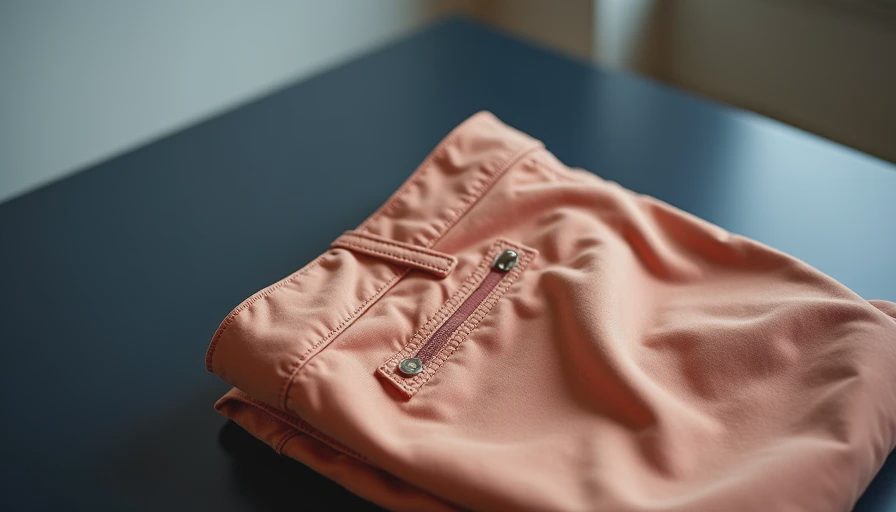
Fit matters more than the label on the waistband. Start with the seat and waist. You should be able to slide a finger or two into the waistband, but you should not need a belt to keep the pants from falling down. If the pockets flare open when you stand, the seat is probably too tight.
For the leg, look for a clean line from hip to ankle. Straight and slim-straight cuts are usually the safest choice for men in their 30s, 40s, and 50s. Slim does not mean painted on. You want enough room to sit in a minivan, climb stairs, and bend over to tie a kid's shoe. A small break, where the fabric lightly rests on the shoe, is versatile. A large stack of fabric around the ankle usually makes the pants look too long.
Chinos for men are often sold in athletic, relaxed, straight, and slim cuts. Those names are not standardized, so try the pants on when possible. If the thighs fit but the waist gaps, a tailor can often fix the waist for $15 to $30. If the thighs are tight, sizing up and tailoring the waist is usually smarter than forcing a smaller pair.
The colors you will actually wear
Khaki is the obvious starting point, but it is not always the easiest color. Light khaki shows barbecue sauce, playground dust, and every splash from a rainy parking lot. It still works well with navy shirts, chambray, gray sweaters, and white sneakers, but it needs more attention.
Navy is my most-used color. It pairs with white, light blue, gray, burgundy, green, and nearly every casual shoe I own. Charcoal is a close second and looks especially good with a patterned shirt. Olive is useful when you want something different, although I would not buy it before navy and khaki.
Brown and rust can work, but they are less flexible. They often look better with casual textures such as denim shirts, wool overshirts, and suede shoes. Black chinos are also more limited than many men expect. They can look sharp with a simple black or gray top, but navy or charcoal usually gives you more combinations.
For chinos for men that will carry most of the weekly load, my practical order is navy first, khaki second, and charcoal or olive third. That is not a rule. It is simply what has worked in my closet log.
Choosing fabric for your schedule
Fabric weight changes how useful the pants feel. Lightweight cotton chinos are comfortable in hot, humid weather and dry faster after washing. The tradeoff is that they may wrinkle more easily and show pocket outlines. Mid-weight fabric is the best year-round choice for an office, travel, and weekends in a place with changing seasons.
Stretch can be helpful, especially if your day includes driving, stairs, or sitting through meetings. Look for a small amount of elastane rather than a fabric that feels like athletic wear. Too much stretch can make the pants lose their shape by late afternoon. A simple test is to sit, stand, and put your phone in the front pocket. If the waistband digs in or the pocket pulls sideways, try another cut.
Before buying, check the care label. Machine-washable cotton is usually easier to live with than dry-clean-only trousers. Wash chinos inside out in cold or warm water, avoid excessive heat, and remove them promptly from the dryer. Hanging them while slightly damp can reduce wrinkles without turning laundry into a weekend project.
What to wear with chinos for men
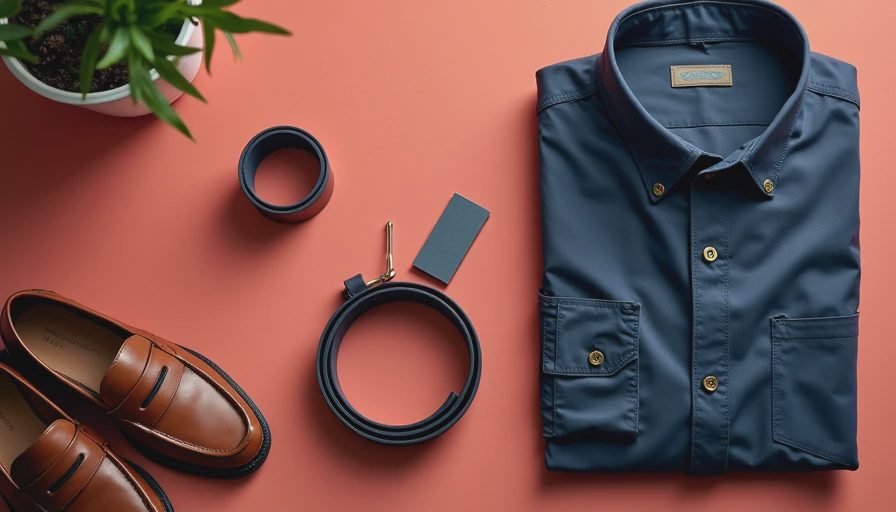
The easiest shirt is an oxford button-down in white or light blue. Leave it untucked for a casual setting if the hem is not dramatically longer in back. A polo works with navy, khaki, or gray chinos, especially when the collar has enough structure to avoid collapsing under a jacket.
For cooler weather, try a crewneck sweater over an oxford shirt or a simple overshirt over a T-shirt. A navy pair with a gray sweater is nearly impossible to mishandle. A patterned shirt is fine too, but let either the shirt or the pants be the interesting part. Small checks, subtle stripes, and restrained plaids are easier to repeat than loud patterns.
Shoes finish the outfit. White leather sneakers make chinos for men feel relaxed but tidy. Brown leather derbies or loafers move them toward business casual. Desert boots, chukkas, and clean canvas sneakers are dependable weekend options. Match the belt roughly to the shoes when wearing leather, but do not spend an hour chasing an exact shade.
A simple buying plan
If your closet needs a reset, start with one navy pair in a straight or slim-straight cut. Wear it with three shirts and two pairs of shoes over the next week. Notice whether the rise feels comfortable, whether the pockets hold your phone, and whether the hem works with sneakers and leather shoes.
Add khaki only after you know the first fit works. Then consider charcoal or olive if your existing shirts support it. Chinos for men should solve dressing problems, not create a new storage problem. Keep notes on the brand, size, fabric, and number of wears. That small record will tell you more than an online review when it is time to buy again.
The goal is not to look fashionable in a way that requires constant maintenance. It is to open the closet at 7:14 on a chaotic Tuesday and know the outfit will work. Pick a useful color, get the waist and seat right, choose a clean shoe, and dress on purpose.


No notes yet — write the first.