
The Spreadsheet Doesn’t Lie
After the big closet purge, I got serious about tracking not just what I wore, but what I bought. For six full months I logged every new clothing purchase with the planned purpose, price, and then tracked actual wears over time.
The results were humbling.
Setting Up the Tracking
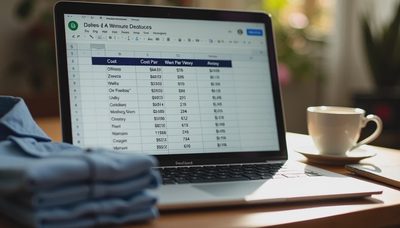
I added two new tabs to my spreadsheet:
Purchases: Date, item, price, intended use, initial excitement level (1-5)
Wear Log: Linked to purchases, tracking actual usage over time
Every time I bought something, I made a quick note about why I thought it was a good idea. Then reality did its thing.
The Brutal Numbers After Six Months
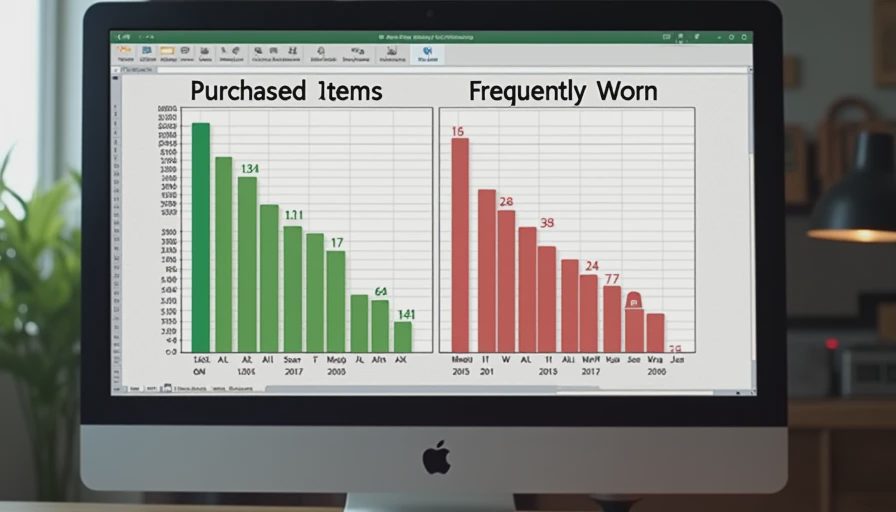
Here’s what the data showed:
Total new items purchased: 18
Items worn 20+ times: 5
Items worn 10-19 times: 4
Items worn 5-9 times: 3
Items worn fewer than 5 times: 6
That’s a full third of my new purchases that barely got used.
Cost breakdown:
High-use items (5 pieces): $287 total → excellent cost-per-wear
Low-use items (6 pieces): $418 total → painful cost-per-wear
The gap was real and expensive.
What I Thought I Needed vs. What I Actually Used
Overestimated needs:
“Statement” patterned shirts for variety
Multiple new blazers for client meetings
Trendy casual pieces for weekends
Extra formal options “just in case”
Underestimated reliability:
Basic solid oxfords in versatile colors
Additional pairs of the dark chinos that already worked
Simple, durable outer layers
The pieces that performed best were almost always the ones that filled existing gaps in my core system rather than adding new “styles.”
The Psychology Behind Bad Purchases
Looking back at my notes, I could see clear patterns in my bad decisions:
Shopping when tired or rushed
Sale temptation (“too good to pass up”)
Influence from online inspiration that didn’t match my real life
Wishful thinking about future scenarios that never happened
The spreadsheet forced me to confront these habits. Numbers don’t have emotions.
What Changed After Seeing the Data
The six-month review led to much stricter buying rules:
48-hour waiting period for any non-essential purchase
Must match three existing items rule
Realistic wear prediction — I now force myself to write down how many times I think I’ll wear it in the next six months
System gap only — only buy things that fill a clear hole in my current rotation
These rules cut my clothing spending dramatically while actually improving how I dress.
The Surprise Success Stories
Two of the best purchases were ones I almost didn’t make:
A third pair of dark chinos (I thought I had “enough”)
A really good navy polo for casual days
Both became high-frequency workhorses that proved the value of doubling down on what already works.
Lessons for Any Guy Trying to Buy Better
You don’t need to track for six months to benefit from this thinking. Just start being more honest with yourself before clicking “buy” or handing over your card.
Ask:
Will this actually get worn in my real life?
Does it work with what I already own?
Am I buying this for the person I am or the person I wish I was?
The gap between intention and reality is where most clothing budget waste happens.
Moving Forward With Better Awareness
I still buy new things, but far less often and with much better results. The spreadsheet now serves as both a record and a teacher. Each new entry gets scrutinized based on the previous six months of data.
The gap has narrowed considerably. My closet is more useful, my spending is more intentional, and I waste far less money on clothes that end up barely worn.
Jenna still teases me about the spreadsheet, but even she admits the results are hard to argue with.
Your Turn
If you want to close the gap in your own wardrobe, start simple. For the next three months, just keep a basic log of what you buy and how often you wear it. The patterns will become obvious faster than you expect.
The data might surprise you. But that surprise is the first step toward dressing better with less regret and less waste.
Dressed on purpose means being honest about what you actually use, not just what looks good in the store.

No notes yet — write the first.