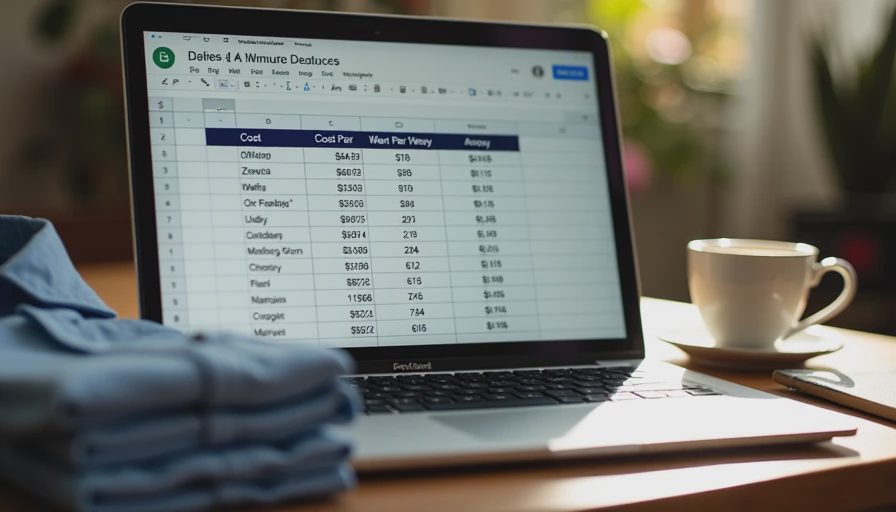
The Column That Started the Eye-Rolling
Jenna tolerates a lot. She puts up with my smoker experiments, my half-finished garage projects, and the fact that I track outfits in a spreadsheet. But the moment I say “cost per wear,” she gives me that look — the one that says “here we go again.”
She’s not wrong to tease me. It sounds nerdy as hell. But after three years of religiously calculating it, I’m convinced this one metric is one of the most practical tools any regular guy can use to dress better without spending more.
What Cost Per Wear Actually Means
It’s simple math: Take the price you paid for an item and divide it by the number of times you’ve worn it. The lower the number, the better the value.
Example:
$120 “premium” shirt worn 8 times = $15 per wear
$48 solid oxford worn 65 times = $0.74 per wear
Suddenly that expensive shirt doesn’t look like such a smart purchase.
The Painful Discoveries I Made Early On
When I first started tracking, some of the numbers made me wince. That “investment piece” blazer I bought during a sale? Worn exactly 9 times in 18 months. Terrible cost per wear.
Meanwhile, my favorite pair of dark chinos bought on clearance kept racking up wears and driving their cost per wear down into pennies. The spreadsheet didn’t care about brand names or initial excitement — it only cared about actual usage.
I started seeing patterns fast:
Impulse buys almost always had terrible long-term numbers
Basic, versatile pieces won every time
Quality construction paid for itself through durability
How This Changed My Shopping Behavior
Once I started thinking in cost-per-wear terms, my buying decisions became much more disciplined:
Before buying anything new, I now ask:
How many times will I realistically wear this in the next 12 months?
Does it work with multiple outfits I already own?
Is the fabric and construction likely to last?
This filter eliminated a lot of “good deal” purchases that would have become expensive mistakes.
I also got much better at maintaining what I own. A shirt that lasts twice as long cuts its cost per wear in half. Simple things like proper washing, spot treating stains quickly, and hanging things up instead of throwing them on the chair started making financial sense.
Real Examples from My Closet
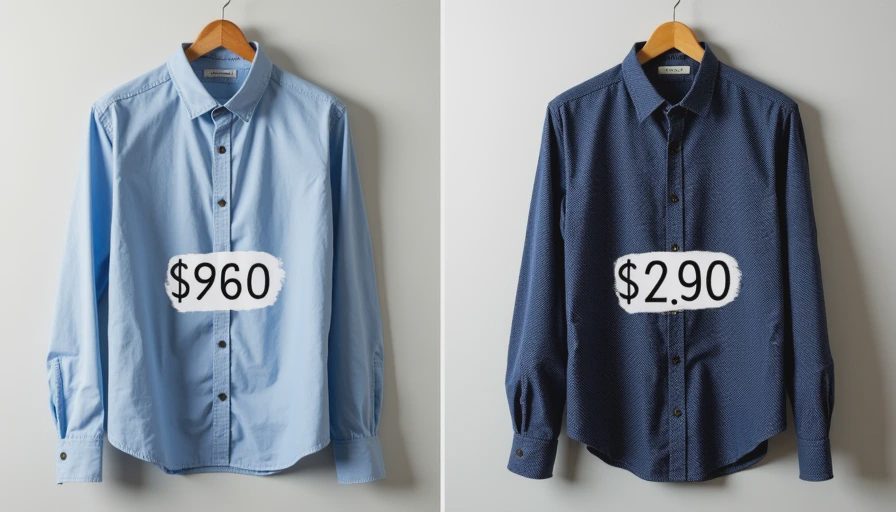
The Winner: My go-to light blue oxford. Bought for $52. Worn 87 times and counting. Current cost per wear: about $0.60 and dropping. Still looks good enough for client meetings.
The Cautionary Tale: A trendy patterned shirt bought on sale for $35. Worn 12 times before I realized it didn’t mix well with anything. Current cost per wear: nearly $3. Still sitting in the “maybe donate” pile.
The Surprise: A pair of canvas pants from a local shop. Higher upfront cost but incredible durability and versatility. The numbers keep improving the more I wear them.
What Jenna Thinks (And Why She’s Mostly Right)
My wife’s main objection is that it takes some of the fun out of shopping. She’s not entirely wrong. But for guys like me who don’t particularly enjoy shopping, removing regret feels like a fair trade.
She does appreciate the results though. Our closet is less cluttered, I waste less money on clothes that don’t get worn, and I generally look more put-together with less effort. The eye-rolling has decreased over time.
How to Start Using Cost Per Wear Without Becoming Obsessive
You don’t need a complicated spreadsheet (though I obviously recommend one). Even a simple note on your phone works:
Write down the purchase price when you buy something
Keep a rough count of wears (or update weekly)
Review every few months
Focus on the big picture. The goal isn’t to hit some magic number. It’s to become more conscious about what you bring into your closet and how you treat it.
The Bigger Picture for Busy Dads
We work hard for our money. Spending it on clothes that sit unused feels bad. Cost per wear helps align your wardrobe with your actual life and values.
It’s not about being cheap. It’s about being intentional. Buying fewer, better things that work harder for you.
Dressed on purpose means knowing what you own, why you own it, and getting real value from it — not just in how it looks, but in how it performs over time.
The spreadsheet column my wife hates? It’s one of the most useful tools I’ve adopted as a grown man trying to dress like one.
Try it for a few months. The numbers might surprise you as much as they surprised me.



No notes yet — write the first.