Tuesday morning, 7:14, Molly cannot find her lunchbox, Wyatt needs a permission slip, and I am staring at my closet with six minutes before I leave. On mornings like that, tailored trousers are useful because they make the rest of getting dressed easier. Add a decent shirt, a belt, and shoes that are not beat up, and you look like you made a plan even when you absolutely did not.
I am not talking about wearing a suit to the grocery store. I mean comfortable, properly sized pants with a cleaner shape than jeans and enough flexibility for real life. After three years of tracking clothes in my closet spreadsheet, I have found that tailored trousers earn their space when they work for at least three settings: the office, dinner, and an event where someone might take a picture.
What tailored trousers actually are
The word tailored can sound expensive or fussy. In plain English, it means the pants follow your body more closely than relaxed jeans without squeezing your thighs or calves. They usually have a flat front, a modest taper below the knee, and a waistband that sits comfortably at your natural waist. They should look neat while standing and still let you sit in a conference room or climb into a minivan.
The important distinction is fit, not whether a tailor touched the garment. A $70 pair that fits your seat and waist can look better than a $300 pair that pools around your shoes. When I try on a pair, I sit, walk, and put my hands in the pockets. If the pockets flare open, the rise feels tight, or I have to yank up the waistband every few steps, I move on.
Start with a medium or dark neutral. Navy, charcoal, medium gray, and a muted khaki cover a lot of ground. Navy works with white, blue, pink, and patterned shirts. Gray handles a navy blazer well. Khaki is friendly with denim shirts, oxford cloth, and brown shoes. Black has its place, but it can look severe for ordinary office wear and makes casual combinations harder.
Finding the right fit without a fashion degree
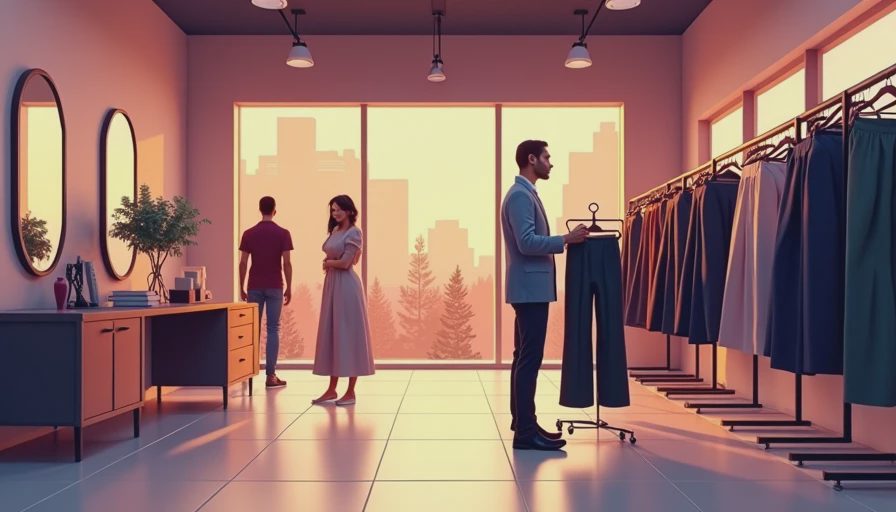
The best tailored trousers give you a straight line from hip to ankle, but that does not mean they should be painted onto your legs. A little room in the thigh is practical, especially if you drive to work or spend the day moving between offices. The leg should narrow gently, not suddenly pinch at the calf.
Look at the waistband first. You want enough room for one or two fingers, not a full hand and not a painful squeeze. The seat should lie smooth across your backside. Horizontal pulling usually means the pants are too small; excess fabric hanging below the seat often means they are too large or cut for a different body shape.
Then check the break, which is simply where the pant leg meets the shoe. A small break creates one modest fold above the shoe and is forgiving for everyday wear. No break looks sharper but demands more accurate length. A large stack of fabric makes even good tailored trousers look sloppy. A local alterations shop can usually shorten pants for roughly $15 to $30, which is one of the better clothing expenses I have made.
Do not get stuck on the label. Slim, athletic, modern, straight, and classic mean different things from one company to another. Bring the shoes you normally wear and try two sizes or cuts. Five minutes in a fitting room tells you more than an online product description.
Fabrics that survive a normal week
For office-friendly tailored trousers, start with a wool blend, cotton stretch, or technical fabric. Lightweight wool drapes well and handles temperature changes, though it costs more and needs sensible care. A wool-polyester blend often gives you the same clean appearance at a lower price, usually around $60 to $140. It can be a strong choice for frequent travel because it resists wrinkles better than pure cotton.
Cotton twill feels familiar and works especially well in khaki, olive, and navy. A small amount of stretch, often 1 to 3 percent elastane, makes sitting through a long meeting more comfortable. Do not assume more stretch means better pants. Excessively stretchy fabric can lose its shape by late afternoon.
For summer, look for a lighter cotton blend or tropical-weight wool. Linen blends feel cool but wrinkle quickly, so I reserve them for relaxed offices, outdoor dinners, and weekends. Polyester-heavy performance pants can be convenient, but inspect the fabric in natural light. Some look polished; others have the shine of a rental uniform.
Three outfits I actually wear
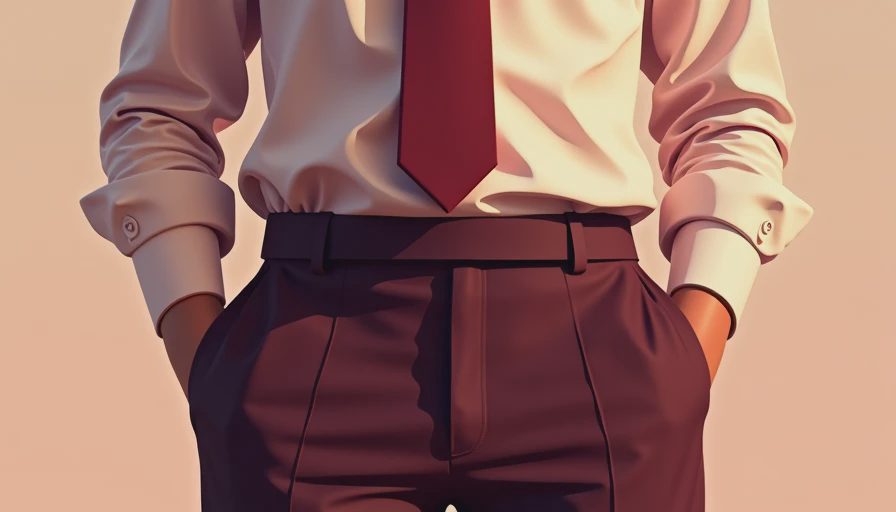
The easiest weekday combination is charcoal tailored trousers, a pale blue oxford shirt, brown leather shoes, and a matching belt. It works for a client meeting without looking like you are headed to a wedding. Roll the sleeves after work and the same outfit becomes less formal.
For a business-casual office, try navy tailored trousers with a white polo or textured knit shirt. Add clean leather sneakers if your workplace allows them. Keep the sneakers simple: white, gray, or navy, with no oversized logo. This outfit has enough structure for a presentation and enough comfort for a school pickup.
For dinner, medium-gray pants, a fine-gauge crewneck sweater, and suede chukka boots are hard to beat. In cooler weather, put an unstructured navy blazer over the sweater. The jacket should not match the pants exactly unless you are intentionally wearing a suit. Slight contrast makes the outfit look relaxed and considered.
How much should you spend?
My spreadsheet does not care about a famous label. It cares how often I wear something and how well it holds up. A $50 pair worn twice is a worse purchase than $120 pants worn thirty times. As a starting range, expect $50 to $90 for basic office pants, $90 to $180 for better construction and fabric, and more than $200 for premium wool or made-to-measure work.
At the lower end, check the stitching around belt loops, pockets, and the fly. The fabric should not be shiny, thin, or visibly rippled. In the middle range, look for a comfortable waistband, a useful hem allowance, and a lining that does not bunch. Brands such as J.Crew, Banana Republic, Bonobos, and department-store house labels offer different cuts and price points, but none should get an automatic pass. Try on the actual garment.
If you need alterations, include that cost before deciding. A $75 pair with a $25 hem can be a better value than a $110 pair that already fits poorly. Buy one pair first, wear it through a full week, and record what worked before buying another color.
A five-minute care routine
Hang tailored trousers from the waistband or use a proper trouser hanger so the fabric can relax overnight. Empty the pockets before sitting for long periods; a phone and wallet can stretch one side of the garment. Brush off dust with a clothes brush instead of washing after every wear. Follow the care label, and do not put wool trousers in a hot dryer.
I usually rotate office pants rather than wearing the same pair on consecutive days. That gives the fabric time to recover and helps you notice problems early. A loose button is a ten-minute repair. A growing shine across the seat is a sign to retire the pants from client meetings, not a challenge to keep ironing them.
The practical goal is simple: own two dependable neutral pairs, one lighter option, and perhaps a more relaxed cotton pair. That small lineup gives you enough variety without turning your closet into a storage problem. The best tailored trousers are the ones you can grab at 7:14 on a chaotic Tuesday and know the outfit will hold together. That is what being dressed on purpose looks like.
No notes yet — write the first.