Tuesday morning, 7:14, Molly cannot find her lunchbox, the coffee is getting cold, and I am staring at my closet trying to decide whether my old jacket still looks presentable. Searching for coats mens coats usually means you want a simple answer: what kind of coat should a grown man buy, and how much should he spend? I have tested enough outerwear to know the answer is not the most expensive label. It is the coat that fits your actual commute, weather, work clothes, and weekends.
A useful coat should earn its hanger space. In my spreadsheet, I track purchase price, wears, repairs, and cost per wear. A $180 coat worn 120 times is a better buy than a $600 coat that stays in the closet because it is too delicate, too formal, or too uncomfortable. The goal is dressed on purpose, not dressed like you are headed to a fashion photo shoot.
Start With the Weather You Actually Face
Before comparing coats mens coats listings, write down the weather your outer layer must handle. Kansas City gives me freezing mornings, damp wind, sudden warm spells, and the occasional snow that turns the school pickup line into a slow-moving parking lot. Your climate might call for something different.
For cold and wet conditions, look for a tightly woven shell, a useful hood, and insulation that does not turn your torso into a sleeping bag. Down is warm for its weight, but synthetic insulation handles damp weather and frequent washing more easily. A wool blend works well for office commuting, especially when your route involves a short walk from a parking garage rather than an hour outdoors.
Wind matters more than many men expect. A thin, well-fitted coat with a high collar can feel warmer than a bulky jacket that lets air through the sleeves. Check the zipper, cuffs, and hem. Those are the places where heat disappears first. If you regularly scrape ice from a windshield, choose gloves-friendly zipper pulls and enough room to move your shoulders.
The best coats mens coats choices begin with use, not color. Think through your coldest normal day, your wettest normal day, and the situation where you will wear it over a sweater. That three-question test eliminates plenty of attractive but impractical purchases.
Choose a Shape That Fits Your Life
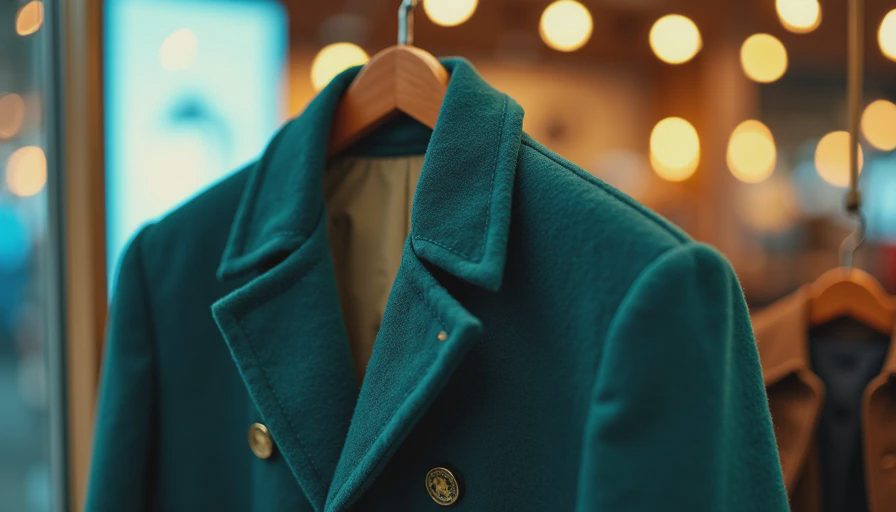
Fit does not mean tight. It means the coat sits correctly at the shoulders, closes without pulling across your stomach, and leaves room for the layer underneath. Try it on over the thickest shirt or sweater you plan to wear. If you only test it over a T-shirt in a warm store, you are guessing.
The shoulder seam should sit close to the edge of your shoulder. If it falls several inches down your arm, the coat will look borrowed and feel sloppy. Sleeves should reach the wrist bone or slightly beyond it when your arms rest at your sides. For driving, a little extra sleeve coverage is useful, but sleeves that cover half your hand will get in the way.
Length depends on your routine. A hip-length jacket is easy in a car and works with jeans, chinos, and casual boots. A mid-thigh coat gives more protection and looks more intentional over office trousers. A longer topcoat can be a smart choice if you wear suits, but it may be annoying on a bicycle or during repeated trips in and out of the car.
When reviewing coats mens coats options, pay attention to the back. You should be able to reach for a steering wheel without the fabric pulling hard across your upper back. Bend your elbows, raise your arms, and sit down. Five minutes of testing can prevent a $200 return and an awkward closet compromise.
The Three Most Useful Categories
A casual insulated jacket is the everyday workhorse. It is the one you grab for school drop-off, hardware-store errands, and a Saturday bike ride when the temperature has not made up its mind. Pick a simple design in navy, charcoal, olive, or dark brown. These colors work with denim and chinos without making you think too hard.
A wool-blend overcoat is better for offices, dinners, and occasions where a puffy jacket feels out of place. Navy and charcoal are the safest starting points. A blend with some synthetic fiber often costs less and handles daily use better than a fragile pure-wool garment. Look for a smooth lining, secure inside pockets, and enough room for a sweater.
A rain shell fills a different job. It should block water and wind while packing down reasonably well. Do not expect it to replace a warm winter coat unless you add a mid-layer. A rain shell over a fleece or lightweight insulated vest can cover a wide range of temperatures without requiring a closet full of jackets.
These categories make shopping for coats mens coats less confusing. You do not need six versions of the same jacket. You need coverage for casual cold, office-ready cold, and wet weather.

Price, Materials, and Cost Per Wear
For a dependable everyday jacket, a realistic budget is often $100 to $250. A decent wool-blend overcoat commonly starts around $150 and can go past $500. You do not automatically get better fit or better daily value at the higher end. Construction, comfort, and how often you wear the piece matter more than the number on the tag.
Inspect the details before buying. A zipper should move smoothly without catching. Buttons should be firmly attached. Pockets need to hold your phone without letting it slide out when you sit. The lining should not twist around your sleeves. On an insulated coat, gently squeeze the body and look for thin, uneven areas that could create cold spots.
My cost-per-wear calculation is simple: purchase price divided by realistic wears. A $140 jacket worn twice a week from November through March can reach 100 wears in two seasons. That is $1.40 per wear before repairs. A $350 statement coat worn five times a year will take much longer to justify itself, even if the fabric feels impressive.
A sale helps, but only when the item already fits your life. A 40 percent discount on the wrong coat is still money spent. Keep the receipt, try it indoors with your regular clothes, and test the pockets, sleeves, and zipper before removing tags.
Build Outfits Around One Reliable Coat
A dark navy or charcoal coat can cover most of a working man's week. With dark jeans, leather boots, and a flannel shirt, it looks relaxed without looking careless. Over chinos, an oxford shirt, and clean sneakers, it handles a casual office. Over wool trousers and a crewneck sweater, it becomes more polished without needing a tie.
Shoes change the impression more than a small style detail on the coat. Work boots make a parka feel practical. Brown leather boots make a wool coat feel traditional. Minimal sneakers keep a shorter jacket casual. The coat should support the rest of the outfit instead of competing with it.
For coats mens coats buyers who prefer one purchase, I would start with a clean, mid-length coat in navy or charcoal, with moderate insulation and a removable hood if possible. That combination handles commuting, errands, and most social situations. Add a separate rain shell later if your weather demands it.
Avoid buying around a single outfit. If a coat only works with one pair of trousers, it will not get enough wear. Your first choice should cooperate with the clothes already in your closet.
A Five-Minute Buying Checklist
Before paying for coats mens coats, run through five questions. Can you wear it over your thickest normal sweater? Can you sit, drive, and reach without pulling? Does it block the weather you actually face? Do the pockets fit your phone, wallet, and keys? Can you name at least five outfits that work with it?
Then check the return policy and care instructions. Some wool coats require dry cleaning, while many synthetic jackets can go through a home washer on a gentle cycle. The care cost belongs in your budget. A $200 coat that needs frequent professional cleaning can cost more to own than a $260 option that is easy to maintain.
Take a quick photo in a mirror before deciding. You are checking proportion, which simply means whether the coat looks balanced with your body and clothes. If the sleeves are too long or the body balloons around your middle, a tailor may fix minor issues, but tailoring a cheap, poor-fitting coat rarely makes financial sense.
The right coats mens coats purchase will not make your morning complicated. It should hang near the door, work with several outfits, and protect you when the weather changes. Start with your routine, choose a durable neutral color, and buy the piece you will actually reach for tomorrow.



No notes yet — write the first.