Tuesday morning, 7:14, Molly cannot find her lunchbox, Wyatt needs a permission slip, and I am staring at my closet with six minutes to spare. This is exactly when a sport coat earns its place. It gives a plain shirt and chinos enough structure for a client meeting, school conference, or dinner without making you look like you are headed to a wedding.
I am not a fashion expert. I am a 42-year-old dad in Kansas City with a closet spreadsheet and three years of wear data. The goal here is simple: help you buy one useful jacket, wear it often, and avoid spending money on something that hangs untouched behind the winter coats.
What a sport coat actually does
A sport coat is an unmatching tailored jacket. That means it is designed to be worn with different pants rather than as part of a complete suit. The fabric, pattern, and details are usually more relaxed than a suit jacket, though a good one can still look professional.
The practical benefit is range. With gray trousers, a navy sport coat can handle a business-casual office. With dark jeans and a clean Oxford shirt, it works for a nicer restaurant. With chinos and a knit polo, it looks intentional at a backyard graduation party. One jacket can cover situations where a shirt alone feels too casual and a full suit feels like too much.
The main mistake is treating every jacket as interchangeable. A suit jacket often has smoother, shinier fabric and matching trousers. Separating it can make the outfit look incomplete. A sport coat usually has more texture, such as hopsack wool, flannel, cotton, linen, or a subtle herringbone pattern. That texture tells people the jacket is meant to stand on its own.
In my spreadsheet, the most useful jacket is not the cheapest one. It is the one that gets worn across seasons and occasions. A $180 jacket worn 30 times is doing better work than a $70 jacket worn twice.

Start with fit, not the label
Fit matters more than the brand name or the price tag. When the jacket is buttoned, the front should close without pulling into an X-shaped wrinkle. The shoulder seam should sit near the edge of your shoulder, not halfway down your upper arm. If the shoulder is wrong, tailoring cannot completely rescue it.
The sleeve should show roughly a quarter to half an inch of shirt cuff when your arms rest naturally. That is a small adjustment, and a tailor can usually handle it for about $15 to $30. Jacket length should cover most of your seat and end around the middle of your hand when your arms hang down. Too short, and the jacket can make your body look boxy or make it seem like you borrowed your younger brother's clothes.
Try sitting down before buying. A jacket that looks fine while standing may pinch across the back or pull at the buttons in a car. I also raise both arms, reach forward, and check whether the lining fights me. You do not need perfect movement, but you should be able to buckle a child into a car seat without feeling trapped.
A regular, short, long, or big-and-tall size is only a starting point. Two jackets marked 42 Regular can fit very differently. Bring the shirt you expect to wear underneath and try the jacket with it. That five-minute test can prevent a return, a tailoring bill, and another abandoned purchase.
The first color should be boring
If you are buying one sport coat, start with navy or a medium-to-dark blue. It works with gray wool trousers, tan chinos, olive pants, dark denim, and even clean white jeans if that is your thing. Navy also looks right in January with flannel and in July with a lightweight cotton shirt.
Charcoal is useful but slightly less flexible because it can drift toward suit territory. Brown, olive, and textured gray are excellent second choices once you know what your closet needs. I would wait on bold checks, bright colors, and strong windowpanes. They can look good, but they demand more thought and get repeated in photographs quickly.
For shirts, white, light blue, pale gray, and small-scale checks are dependable. For pants, gray trousers are the safest partner, followed by khaki, stone, dark olive, and dark denim. You are building combinations, not collecting isolated pieces. Before buying, picture at least five outfits using clothes already in your closet.
A simple navy sport coat with gray trousers and brown leather shoes is not exciting on a mannequin. That is the point. It is dependable enough for the morning when everyone is late.
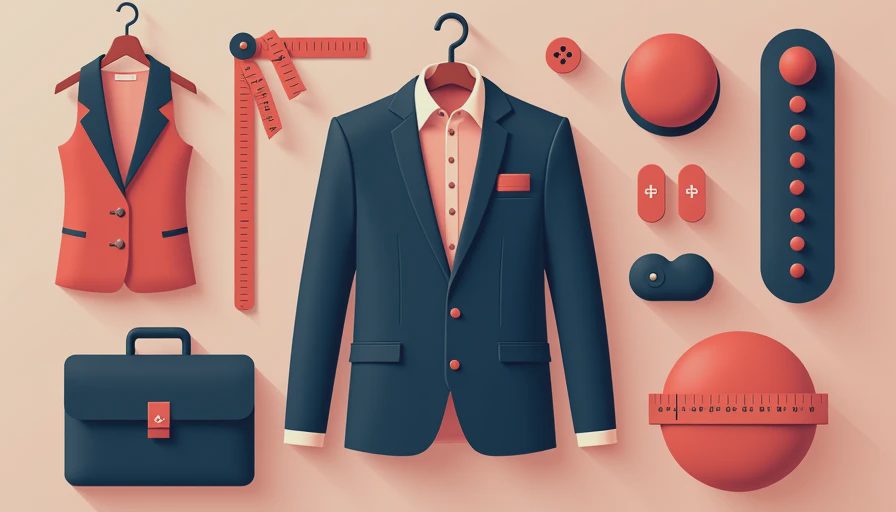
Choose fabric for your actual calendar
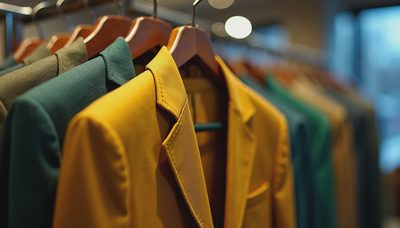
Fabric should match how and when you plan to wear the jacket. Medium-weight wool is the most versatile option for air-conditioned offices, fall dinners, and mild winter days. Look for a fabric with visible texture rather than a glossy finish. A half-lined jacket can feel easier in warm weather, but it may wrinkle more quickly.
Cotton is casual and comfortable, especially with chinos or jeans. It can be a good choice for spring and summer, though cotton tends to show wrinkles and may lose its shape faster than wool. Linen is cooler but deliberately rumpled. That relaxed appearance works at outdoor events and vacation dinners, not necessarily in a conservative office.
A blend can make sense for a busy dad. A small amount of stretch may help during long drives, while polyester can lower the price and improve wrinkle resistance. The tradeoff is that some synthetic fabrics look shiny or trap heat. Rub the sleeve between your fingers and inspect it under normal store lighting. If it looks like a costume jacket there, it will not improve at home.
Prices range widely. Around $100 to $200, you can find serviceable options during sales, especially from large department stores or mainstream menswear retailers. Around $250 to $500, construction and fabric choices often improve. You do not need to spend $800 to look put together, but you should reserve money for basic alterations.
How to wear it without overthinking
The easiest outfit is a sport coat, Oxford shirt, dark denim, and clean leather sneakers or casual leather shoes. Leave the tie at home. For a more office-ready version, use gray trousers, a light blue shirt, and brown derbies or loafers. A knit tie can bridge the gap when the meeting calls for more polish without requiring a full suit.
Avoid combining too many formal signals. A shiny jacket, spread-collar shirt, silk pocket square, and highly polished dress shoes can turn a relaxed jacket into a confused almost-suit. One refined element is usually enough. A simple white pocket square is fine, but you do not need one at all.
The collar should sit close to your neck, and the shirt should not balloon above the jacket. If you wear a belt, match its general color to your shoes rather than chasing an exact shade. Socks can repeat a color from the shirt or jacket without becoming the loudest thing in the room.
My favorite weekend combination is a textured navy sport coat, pale blue button-down, dark jeans, and brown suede shoes. It works for dinner with Jenna after the kids' soccer game, and it does not require a second thought.
A five-minute buying checklist
Before paying, button the jacket and inspect the front for pulling. Check the shoulders, sleeve length, and overall jacket length. Sit, reach forward, and twist as if you are grabbing a seat belt. Look at the fabric from several angles for shine, loose threads, or obvious puckering.
Then test the wardrobe math. Can you name five outfits with clothes you already own? Can you wear the jacket in at least two seasons? Does it work for both your office and one ordinary social event? If the answer is no, the jacket is probably asking your closet to change around it.
Finally, ask about alterations and return timing before removing tags. A $25 sleeve adjustment can turn an average purchase into a reliable one. Keep the receipt until you have worn the jacket indoors with your intended shirt and pants.
The takeaway
A sport coat is not a costume and does not need to announce that you have started caring about clothes. It is simply a useful layer between a T-shirt and a suit. Start with a navy jacket, prioritize the shoulders and length, choose texture over shine, and build outfits from clothes you already wear.
That approach has saved me more money than chasing every new recommendation. Buy one practical piece, get it altered, and wear it until the cost per wear makes the purchase look obvious. That is dressed on purpose.


No notes yet — write the first.