Tuesday morning, 7:14, Molly cannot find her lunchbox and I have six minutes before leaving for work. I reach for a blazer for men because it makes jeans and an oxford shirt look intentional without requiring a matching suit. That is the whole point of this guide. You do not need a fashion degree, a designer label, or a closet full of jackets. You need one useful layer that fits your shoulders, works with your existing clothes, and can survive a normal American week.
I learned this the expensive way. My first jacket was too short, too shiny, and worn exactly twice. Three years of tracking purchases and wears in my closet spreadsheet taught me a better rule: buy for the Tuesday meeting, the Friday dinner, and the Saturday school event. If one item handles all three, it earns its hanger.
What a blazer actually is
A blazer is a separate jacket designed to be worn with different pants. That separates it from a suit jacket, which is cut and matched to a specific pair of trousers. The distinction sounds small, but it matters. A suit jacket with jeans often looks like you got dressed in the dark. A blazer for men is built to mix with chinos, denim, wool trousers, and sometimes five-pocket pants.
For most men in their thirties, forties, and fifties, a navy blazer is the safest starting point. Navy works with gray, khaki, olive, dark denim, and medium brown. A charcoal or textured gray jacket is another practical choice, especially if your workplace leans formal. Brown, tan, and softer blue jackets can be useful later, but they demand more thought when you get dressed.
Look for a matte fabric rather than a glossy one. A little texture, such as hopsack wool, cotton, linen, or a wool blend, helps the jacket look separate from a suit. The goal is not to look dressed up for a wedding. The goal is to look like you made a decision.
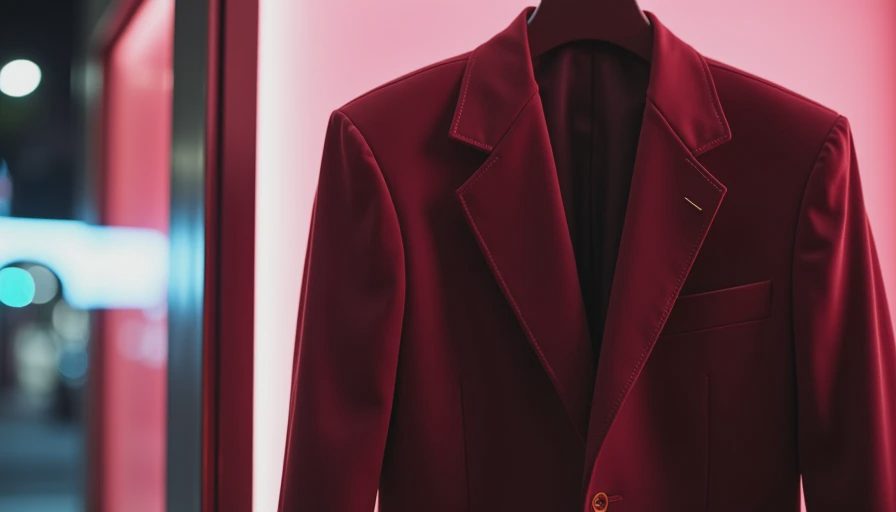
Fit comes before the brand
The shoulder seam should end close to the edge of your shoulder. If it hangs down your upper arm, the jacket is too large, and a tailor cannot easily fix that. If it pulls across your upper back when you button it, try a larger size or a different cut. Those two checks eliminate most bad purchases before you worry about sleeve length.
The front should close without a big X-shaped strain line. You should be able to slide a flat hand between your chest and the fabric, but not make a fist in that space. The jacket should skim your torso rather than cling to it. A little room is useful when you are driving, carrying groceries, or eating barbecue with your family.
Sleeves typically look right when they show about a quarter to half an inch of shirt cuff. Jacket length should cover most of your seat and end around the middle of your hand when your arms hang naturally. Modern cuts can be slightly shorter, but too short creates the borrowed-my-little-brother effect. A tailor can usually adjust sleeves for roughly $20 to $45, while shoulder alterations are more complicated and can cost much more.
When trying on a blazer for men, bring the shoes and shirt you expect to wear. A jacket that looks fine over a thin dress shirt may feel tight over a flannel or sweater. Take a quick phone photo from the side. The mirror is forgiving; the camera is not.
Three outfits that do the work
Start with dark jeans, a light blue oxford shirt, brown leather shoes, and a navy blazer for men. This is my most-used combination for client meetings that are not formal, school fundraisers, and dinner at a place nicer than a burger counter. Keep the jeans clean and free of artificial fading. Straight or gently tapered legs usually balance the jacket better than extremely slim denim.
For a more traditional office outfit, wear a gray blazer, white or pale blue shirt, charcoal chinos, and black or dark brown loafers. A knit tie can work if your workplace expects one, but you do not need a tie to make the outfit complete. This combination is useful when a full suit feels excessive but a polo shirt feels too casual.
For a weekend version, try an unstructured blazer with an untucked polo, dark olive chinos, and clean leather sneakers. Unstructured means the jacket has less padding and lining, so it feels closer to a cardigan than a suit coat. A blazer for men in this style is easier to wear at a brewery, parent meeting, or casual anniversary dinner because it does not look overly ceremonial.

Choosing fabric for your calendar
Wool is the most versatile option for a year-round office jacket. It resists wrinkles better than many cotton fabrics and handles temperature changes reasonably well. A midweight wool blazer for men can cost $150 to $500, but sales and outlet pricing often bring a dependable option below $250.
Cotton is comfortable and usually less expensive, though it can wrinkle and look more casual. Linen is excellent for hot summer evenings but creases quickly; that is part of its character, not a defect. Linen blends reduce some wrinkling while keeping the breathable feel. For Kansas City weather, I would rather own one textured wool jacket and one lighter cotton or linen blend than four jackets that all compete for the same season.
Pay attention to lining. A fully lined jacket slides easily over a shirt and looks cleaner, while half-lined or unlined versions breathe better in warm weather. Neither is automatically superior. Choose based on whether you spend more time in air conditioning or walking from the parking lot in July.
How to buy without wasting money
Set a practical budget before entering a store. Around $150 to $250 can buy a useful first jacket during a sale, while $300 to $600 opens up better fabric and construction. Above that, you are often paying for finer details, labor, or branding rather than a dramatic improvement in everyday usefulness.
Try at least three sizes and two cuts. Do not assume every medium fits the same way. A department-store house label, J.Crew, Banana Republic, SuitSupply, Brooks Brothers, and local menswear shops all use different patterns and pricing strategies. The name matters less than shoulder fit, fabric, and how often you will wear it.
Before paying, sit down, reach forward, and button the jacket. Check the pockets, lining, and vents for loose threads. Then ask yourself whether you already own at least three shirts and two pairs of pants that work with it. If not, the jacket is not finished; it is an expensive puzzle.
The five-minute care routine
Hang the jacket on a broad hanger, not a thin wire hanger that can distort the shoulders. Empty the pockets after each wear and let the garment air out overnight. A clothes brush removes dust and food crumbs without sending the jacket to the dry cleaner every few weeks. Follow the care label, and avoid pressing the iron directly against textured wool.
Most jackets need cleaning only occasionally unless they pick up a stain or odor. Frequent dry cleaning can shorten a garment's useful life, so spot-clean small marks and use a steamer for light wrinkles. Never leave the jacket in a car trunk for a week, especially during a hot Midwestern summer.
A good blazer for men should become easier to wear over time. Mine has handled quarterly meetings, school concerts, and several meals involving smoked pork. It is not precious, but it is cared for. That balance is what keeps cost per wear moving in the right direction.
A simple starting plan
If your closet has no jacket beyond a suit, buy a navy blazer in a matte, lightly textured fabric. Have the sleeves adjusted if needed, then test it with dark jeans, gray chinos, and tan chinos. Add a light blue oxford shirt, a white shirt, and a pair of brown shoes. Those pieces give you several combinations before you need another purchase.
If you already own navy, consider charcoal or medium brown next. Skip loud checks and bright seasonal colors until you know you will wear them at least once a month. The best blazer for men is not the one that gets compliments in a fitting room. It is the one you can grab on a busy morning and trust without asking Jenna whether the outfit works.
That is dressed on purpose: fewer purchases, better fit, and clothes that meet you where your actual life happens.



No notes yet — write the first.