Tuesday morning, 7:14, Molly cannot find her lunchbox, I have six minutes before school drop-off, and I am staring at a closet full of clothes that do not quite work together. That is when a dependable pair of dress pants for men earns its keep. Not because they are exciting, but because they make the rest of getting dressed easier.
I have spent the last three years tracking my clothes in a spreadsheet: purchase price, number of wears, repairs, and whether I actually reached for the item. The winners are rarely the flashy pieces. They are the pants that fit comfortably in a conference room, survive a drive across Kansas City, and look reasonable with three different shirts. Here is what I have learned.
Start With the Fit, Not the Label
The best dress pants for men should sit comfortably at your natural waist, usually around the spot where your pants stay up without a belt doing all the work. If you constantly pull them up after sitting, the waist is too loose or the rise is too short. The rise is the distance from the waistband to the seat seam; in plain English, it determines whether the pants feel like they belong on an adult or a teenager.
Look for room through the seat and thighs without excess fabric folding under your backside. You should be able to pinch roughly an inch of fabric at the thigh, not grab a handful. The leg should follow your shape without clinging. A straight or moderately tapered leg works for most office wardrobes and does not look dated when your shirt or jacket changes.
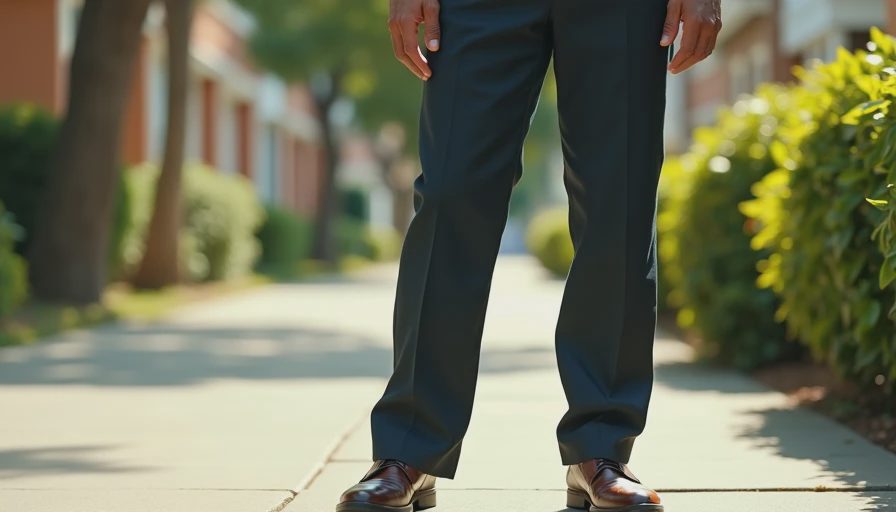
The hem deserves attention. A small break means the fabric makes one gentle fold over your shoe. That is a safe starting point for office wear. Too much fabric creates a puddle above your shoes, while no break can look overly sharp with traditional trousers. If the waist and seat fit well, a tailor can usually adjust the hem for $15 to $30.
Build Around Three Useful Colors
If you are starting from scratch, navy, charcoal gray, and medium gray will cover most situations. Navy dress pants for men work with white, blue, pink, and patterned shirts. Charcoal looks more formal and pairs naturally with pale blue or white. Medium gray is the flexible middle ground, especially with brown shoes and a textured sweater.
I would wait before buying black trousers unless your workplace requires them. Black can look severe with an ordinary button-down, and it is less flexible than charcoal. Tan or khaki dress pants can be useful for summer and business-casual offices, but they should not be your first purchase if you need one pair for presentations and regular meetings.
Think in outfits rather than isolated purchases. A navy pair with a light blue oxford shirt and dark brown loafers is an easy Monday combination. Charcoal trousers with a white shirt and burgundy tie can handle a client meeting. Gray pants with a navy sport coat give you a useful middle option when a full suit feels like too much.
Choose Fabric for Your Actual Week
Wool remains the safest all-around fabric because it resists wrinkles, breathes better than synthetic material, and hangs cleanly. You do not need a luxury label. A decent wool blend in the $70 to $150 range can perform well for years when rotated and dry-cleaned sparingly. Look for fabric that feels substantial but not heavy enough for January only.
For hot summers, lightweight wool, cotton, or a wool-polyester blend can make commuting more comfortable. Stretch helps when you drive, climb stairs, or spend half a day in a chair, but too much stretch can make the pants lose their shape. One or two percent elastane is generally enough for movement without turning the fabric into athletic wear.
I am cautious with shiny polyester. It can look acceptable under store lighting and cheap under office fluorescents. Hold the pants near a window and sit down in them before buying. If the knees immediately shine or the fabric pulls across your lap, choose another pair. Dress pants for men should look better after a full day than they did at 8 a.m., not worse.
Spend Money Where It Shows
Price alone does not tell you whether pants are good. My spreadsheet has inexpensive pairs that have earned a low cost per wear and expensive pairs that stayed in the closet because the fit was wrong. A $90 pair worn twice a week can be a better purchase than $220 trousers worn once because they require special shirts or feel uncomfortable.
Pay particular attention to the waistband, pocket construction, zipper, and seam finishing. Loose threads are easy to spot, but twisting seams are more important. Put the pants on, walk around, sit, and bend slightly. The pockets should lie flat. If the front pockets gape, the pants are too tight or the cut does not suit you.
Department stores and brands such as J.Crew, Banana Republic, Brooks Brothers, and Nordstrom house labels offer different fits and price levels, but none is automatically right for every body. Retailers like Uniqlo can be useful for straightforward basics, while outlet versions may use different fabrics or construction than the mainline product. Read the tag, inspect the garment, and try it on.
Make One Pair Work Harder
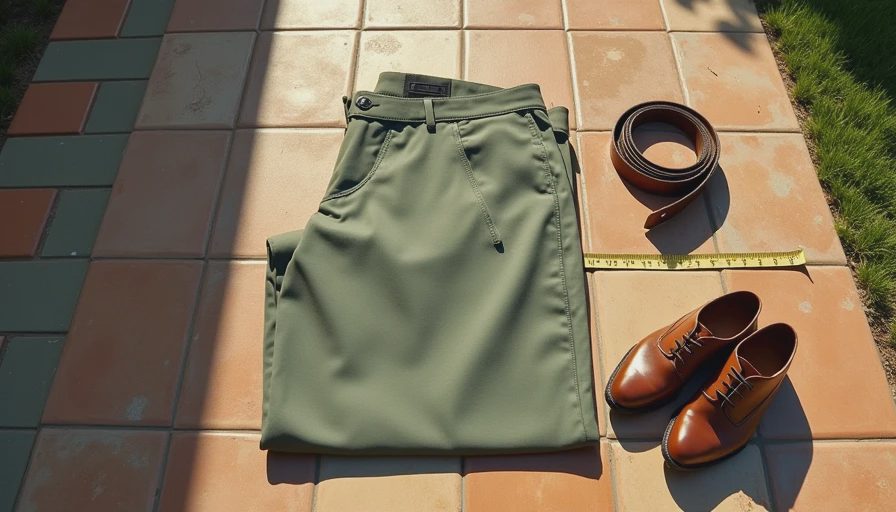
The most useful dress pants for men are the ones that connect to the shirts and shoes already in your closet. Before buying, picture at least four outfits. If navy pants work only with one special jacket, they are not solving a problem. If they work with an oxford, polo, sweater, and sport coat, they are earning space.
Brown leather shoes make navy and gray pants feel approachable. Black shoes push gray toward a more formal look. If you wear loafers, check that the hem does not stack heavily around the ankle. With boots, a slightly fuller leg usually looks more balanced than a narrow fashion cut.
Keep the care simple. Hang trousers from the waistband or a proper clamp hanger so wrinkles can relax. Air them out after wearing instead of sending them to the cleaner after every use. Brush away dust, treat spills quickly, and follow the care label. Rotating two or three pairs gives each one time to recover and usually extends the life of the fabric.
A Five-Minute Buying Checklist
When you try on dress pants for men, check the waistband first. Sit down for a minute and notice pressure across your stomach. Next, inspect the seat and thighs from the side. The fabric should lie smoothly without horizontal strain lines. Walk several steps and look for twisting at the knee. Then check the hem with the shoes you expect to wear most often.
Take a photo from the front and side if you are shopping alone. Mirrors can hide problems that a phone camera makes obvious. If the pants are close but the hem is wrong, tailoring is reasonable. If the seat pulls, the rise feels cramped, or the pockets gape, move on. Alterations can refine a good fit; they cannot turn the wrong cut into the right one.
A practical starting closet might include charcoal, navy, and medium gray, plus one lighter cotton pair for warm weather. That is enough for many office weeks without creating a crowded rack. My own cost-per-wear numbers improved when I stopped buying interesting pants and started buying repeatable outfits.
The point of dress pants for men is not to look like you are headed to a runway. It is to look prepared when the morning is busy, the meeting runs long, and someone asks for a picture before you have had coffee. Choose a comfortable rise, a clean hem, useful colors, and fabric suited to your week. That is dressed on purpose.

No notes yet — write the first.