Tuesday morning, 7:14, Molly cannot find her lunchbox, Wyatt needs a ride, and I am staring at my closet with six minutes to spare. That is when having reliable pants for a man stops being a style question and becomes a useful household system. You want trousers that work for a client meeting, a school pickup, and a Saturday morning trip to the hardware store without looking like you got dressed in the dark.
I started tracking my clothes in a spreadsheet after my boss told me I needed to look more polished in front of clients. Three years later, the lesson is simple: the best pants for a man are not the most fashionable pair on the rack. They are the ones that fit your body, match the rest of your closet, and get worn often enough to justify the price.
Start With the Job the Pants Need to Do
Before looking at a color or brand, decide where the pants will spend their time. A pair for an office needs a cleaner finish than one for yard work. A pair for travel should resist wrinkles and have enough room to sit comfortably for several hours. A weekend pair needs to handle a grocery run, a restaurant, and maybe a child spilling ketchup before dinner.
For most men in their 30s, 40s, and 50s, three categories cover nearly everything. Start with dark navy or charcoal chinos for business-casual days. Add medium-gray or navy wool-blend trousers for more formal meetings. Finish with durable five-pocket pants in olive, tan, or dark denim for casual wear. That small rotation gives you more combinations than a closet full of random purchases.
A useful test is to name three places you could wear an item before buying it. If the answer is only one, the cost-per-wear will probably be disappointing. My $55 olive five-pocket pants have been worn 42 times, putting them near $1.30 per wear. A $120 pair I liked in the fitting room has barely left the closet because it worked with almost nothing.
Get the Fit Right Before Worrying About the Label
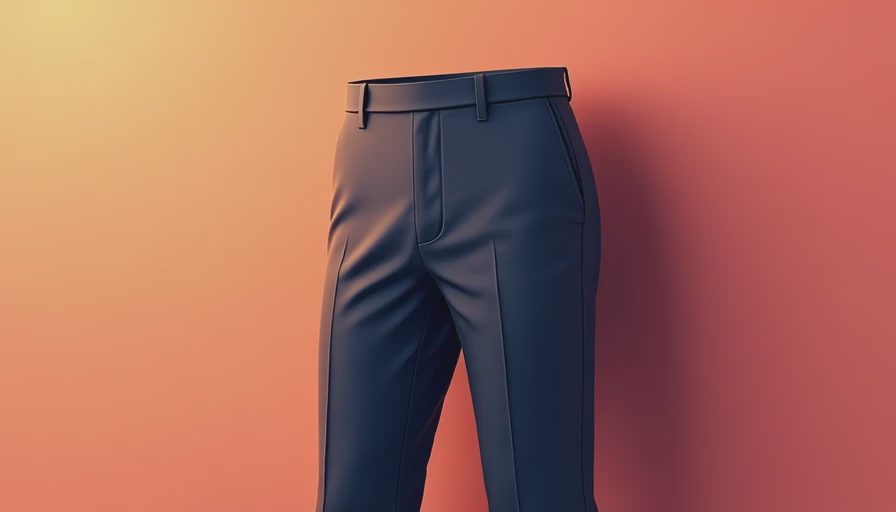
Fit is where pants for a man either become dependable or become closet clutter. You do not need a fashion vocabulary. Look in the mirror and ask whether the fabric hangs cleanly from your seat to your shoes. If the pockets pull open, the waistband digs in when you sit, or the legs stack in thick folds above your shoes, try another size or cut.
The waistband should close comfortably without a belt doing all the work. You should be able to slide two fingers inside, but not make a fist. The seat should follow your shape without clinging. In the thigh, enough room matters more than a narrow silhouette, especially if you spend part of the day getting in and out of a car.
Leg opening is personal, but proportion is not complicated. A very wide leg can make a shorter jacket look undersized, while an extremely narrow leg can make a larger shoe look cartoonish. For a safe starting point, choose a straight or modestly tapered leg. “Tapered” simply means the leg gets a little narrower toward the ankle, not that it hugs your calves.
Alterations can rescue a good purchase. A tailor can usually adjust the hem for roughly $10 to $25 and sometimes refine the waist for $20 to $40. Buying a $60 pair and spending $20 on the hem is often smarter than buying a $150 pair that still fits poorly.
The Pants for a Man Rotation That Covers Real Life
A practical closet does not need twelve versions of the same thing. One dependable pair of dark chinos handles casual Fridays, school conferences, and dinners where jeans feel too relaxed. Look for cotton with a small amount of stretch, usually around 1 to 3 percent elastane. That little bit helps when you bend over to tie a child's shoe without turning the pants into athletic wear.
For office trousers, gray is the workhorse. It pairs with blue, white, green, burgundy, and patterned shirts. Navy works well too, but avoid matching navy pants with a navy blazer unless the shades are clearly different. The result can look like a mismatched suit. A medium-gray pair with a light-blue shirt and brown shoes is hard to mess up.
Jeans still earn their space. Choose a dark, even wash for the most flexibility and avoid excessive fading, artificial whiskering, or oversized branding. Straight-leg jeans are forgiving and age well. If you prefer stretch denim, keep it substantial enough that it does not look shiny or lose its shape by lunchtime.
The pants for a man you wear most should also be easy to maintain. Machine-washable chinos are practical for family life. Wool-blend trousers often need less frequent cleaning, but they benefit from a hanger and occasional pressing. Follow the care label; replacing pants every year because they were washed carelessly is not a wardrobe strategy.
Colors, Fabrics, and Prices That Make Sense
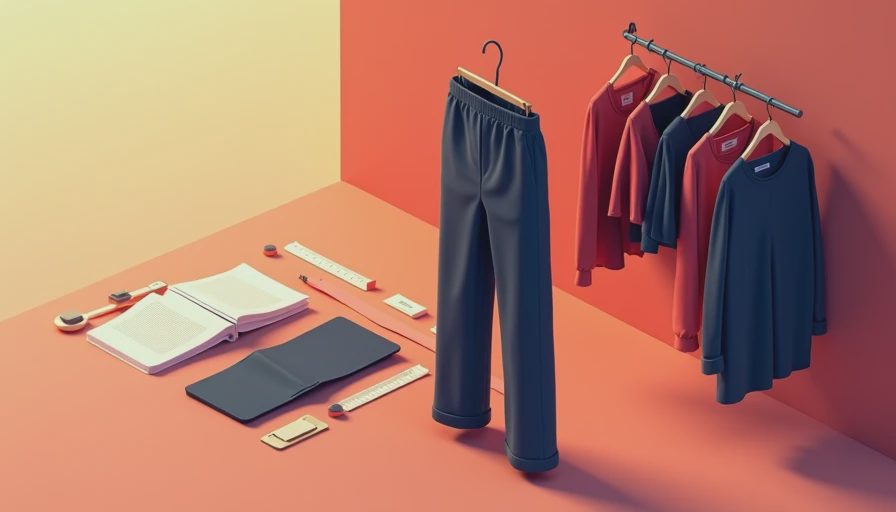
Color should make getting dressed easier. Charcoal, navy, olive, tan, and dark denim cover most American workplaces and weekends. Black trousers can work, but they often look more formal or severe than men expect. Light khaki is useful in warm weather, although it shows food stains and road dust quickly. In Kansas City, I save lighter pants for days when I am not smoking brisket or helping with a garage project.
Cotton chino fabric is a strong first purchase because it is comfortable, washable, and available at nearly every price. A decent pair often costs $35 to $80. Wool-blend trousers commonly run from $70 to $180, with the extra money buying better fabric, construction, or tailoring potential rather than automatic perfection. Five-pocket pants usually fall between $45 and $100.
Specific brands are less important than the garment in front of you. Uniqlo, J.Crew Factory, Bonobos, Dockers, and Banana Republic Factory all offer different fits and price points, but none of them guarantees that a pair will suit your body. I have found excellent $45 trousers and disappointing $130 trousers. Try them on, sit down, and inspect the return policy before treating a sale price as a bargain.
A Five-Minute Fitting Room Checklist
When comparing pants for a man, put on the shoes you normally wear with that category. Dress shoes change the required hem from sneakers. Stand, sit, walk, and climb one step if the fitting room allows it. The waistband should stay put without being painfully tight. Check the front pockets for pulling and the back pockets for awkward placement.
Look at the hem from the side. A small break means the fabric touches the shoe and makes one modest fold. No break looks cleaner but can feel short if the pants ride up while sitting. For a first pair, a slight break is the safer choice. Make sure the fabric does not twist around your leg, which can indicate poor construction or the wrong cut.
Now test an outfit, not just the pants. Put on a shirt in your closet's most common color. Try a belt and the shoes you own. If you can already picture three complete outfits, the purchase has a real chance of earning its place. If you need to buy two more items to make it work, add the full cost to your spreadsheet.
Build the Closet One Useful Pair at a Time
The smartest pants for a man purchase is usually the boring one you can wear next week. Buy charcoal or navy first if your wardrobe needs office coverage. Choose dark jeans or olive five-pocket pants if weekends are the bigger gap. Wait on unusual colors, loud patterns, and ultra-trendy cuts until your basic rotation is working.
My current system is simple: I record the price, date, category, and every wear. When a pair reaches $2 per wear, I know it has already earned more attention than most impulse purchases. After three years, the spreadsheet has made one fact clear: fit creates confidence, but repeatability creates value.
Tomorrow morning, pull out one pair that fits well, one shirt that coordinates, and the shoes you will actually wear. If the combination works for your calendar and your life, you are dressed on purpose. That is the whole goal—not owning more pants for a man, but owning a few pairs that make the next morning easier.
No notes yet — write the first.