The Expensive Habit I Had to Break
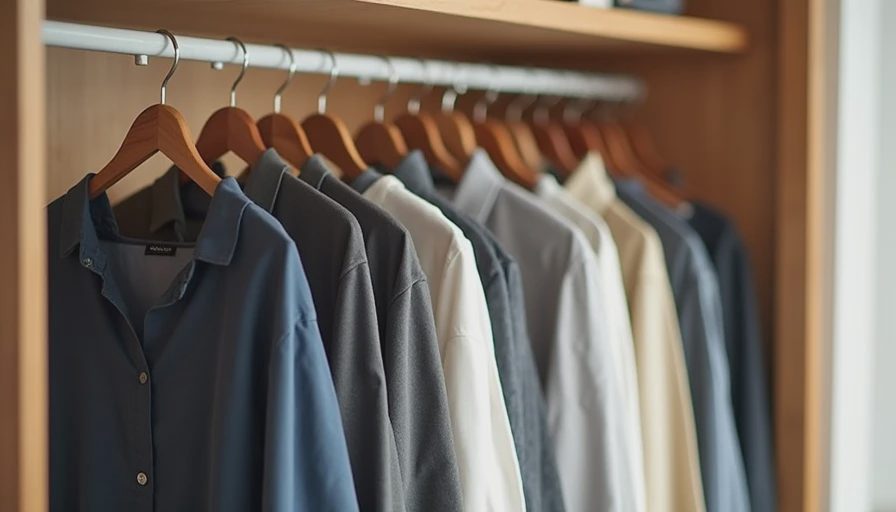
I used to be a classic “maybe this will work” shopper. Something would catch my eye on sale, I’d convince myself I needed it for some future scenario, and home it came. Weeks or months later it would still have tags on it or get worn exactly once before joining the graveyard of good intentions in my closet.
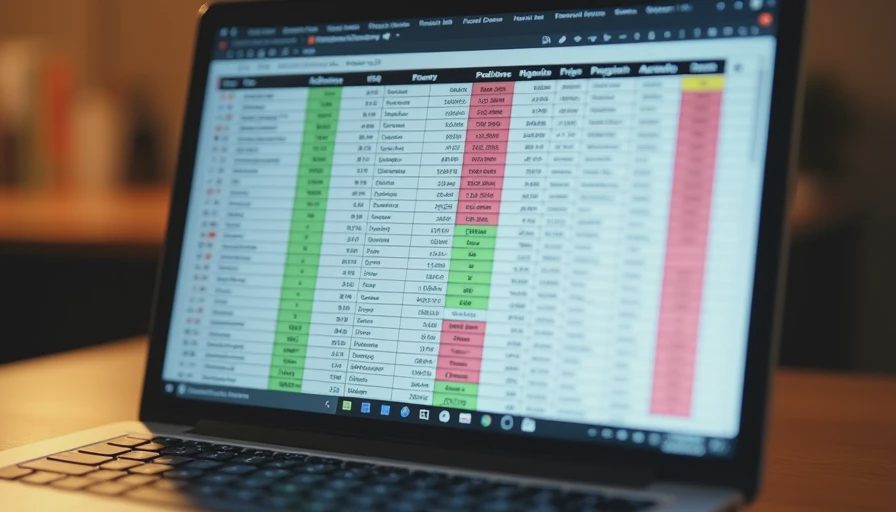
The spreadsheet made the problem impossible to ignore. Too many purchases with depressingly low wear counts. Too much money spent on items that didn’t serve my actual life.
I knew I had to change.
The Rules That Finally Worked
I didn’t try to become a minimalist overnight. I created a few simple, enforceable rules based on my own data:
Rule 1: The 48-Hour Wait
No impulse buys. If I see something I like, I wait 48 hours and revisit the decision. Most “must-haves” lose their appeal quickly.
Rule 2: The Three-Item Match Test
Before buying anything new, it must work with at least three things I already own. No more孤立 pieces that don’t integrate into my system.
Rule 3: The Realistic Wear Prediction
I have to write down a specific number: “I will wear this at least 25 times in the next 12 months.” Then I have to believe that number when I run the cost-per-wear math.
Rule 4: The System Gap Rule
Only buy items that fill a clear gap in my current rotation. No “just because” purchases.
Rule 5: The Quarterly Purge Commitment
Every three months I review new purchases against actual wears. Anything underperforming gets donated quickly.
How the Spreadsheet Enforces Discipline
The real secret weapon isn’t willpower — it’s visibility. When every purchase gets logged with price, predicted wears, and eventual actual wears, the consequences become very clear.
I added a simple “Regret Score” column. High regret items get studied so I don’t repeat the same mistakes.
Over time, my purchase quality went way up and quantity went way down.
What I Stopped Buying
Patterned “fun” shirts that only worked with one specific outfit
Light-colored pants that show every mark
Trendy items that wouldn’t last two seasons
Duplicates of things I already had in better versions
Anything that required dry cleaning only
What I Buy Instead
Additional versatile basics that strengthen my core system
Higher quality versions of pieces that already prove themselves
Durable, multi-season items in safe colors
Things I’ve tested through real life first
The result? My closet is smaller, but every item gets regular use. My spending dropped while my daily satisfaction went up.
The Psychological Shift
The biggest change wasn’t the rules themselves — it was the shift in mindset. I stopped shopping for entertainment or ego and started shopping like a systems engineer solving a problem.
Clothes became tools for making my life easier and helping me show up better, not projects or status items.
Jenna has noticed I bring home far fewer shopping bags and seem much happier with what I do buy. Win-win.
Making It Sustainable Long Term
I don’t follow the rules perfectly every time, but having them as guardrails prevents the worst impulses. The spreadsheet keeps me honest even when motivation dips.
Every quarter I review the data and adjust the rules as needed. It’s a living system, not a rigid set of commandments.
You Can Do This Too
Start small:
Track your next five purchases and their actual usage
Create your own version of the three-item match test
Implement a short waiting period for non-essential buys
Be honest about your real life when evaluating new items
The goal isn’t perfection. It’s progress toward a closet that serves you instead of stressing you.
Stopping the cycle of buying clothes I never wear was one of the most freeing changes I made. My wallet, my mornings, and my peace of mind are all better for it.
Dressed on purpose means being intentional not just about what you wear, but about what you bring into your life in the first place.

No notes yet — write the first.