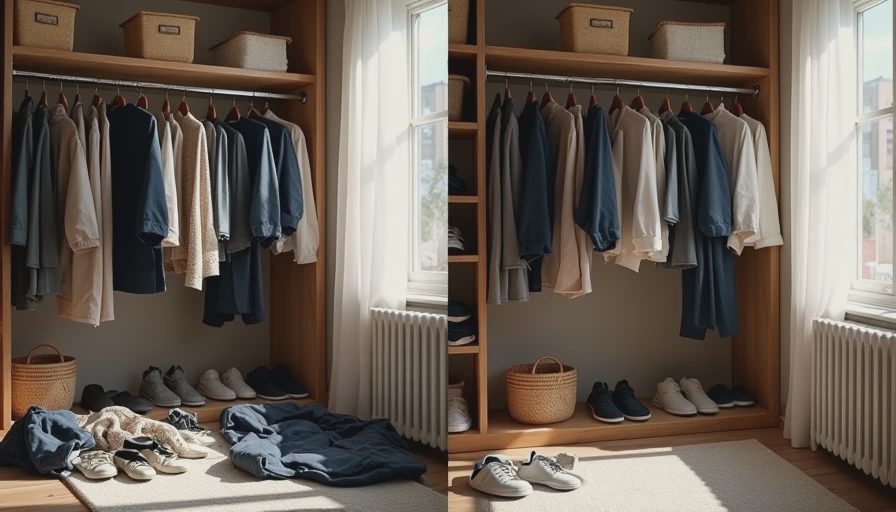
The Version of Me at 35
At 35 I thought I had things mostly together. Solid job in insurance, married with young kids, house in Brookside. But if I’m honest, my clothes told a different story. I was still dressing like an older version of my college self — inconsistent, reactive, and often slightly off.
Now at 42, with three years of deliberate tracking and testing behind me, I look back and see so many simple things I wish I had known earlier. These aren’t fashion rules. They’re practical lessons that would have saved me time, money, and morning frustration.
Lesson 1: Fit Matters More Than Style
I used to buy clothes based on brand or price or “this looks cool.” I rarely tried things on properly or paid for alterations.
The truth? A perfectly fitted $40 shirt looks better than an ill-fitting $120 one. Shoulders that sit right, sleeves that hit at the right length, pants that don’t bunch at the ankles — these details make the biggest difference.
At 35 I didn’t understand this. I just hoped things would “stretch out” or “break in.” They usually didn’t.
Lesson 2: Build Around a Core System, Not Individual Pieces
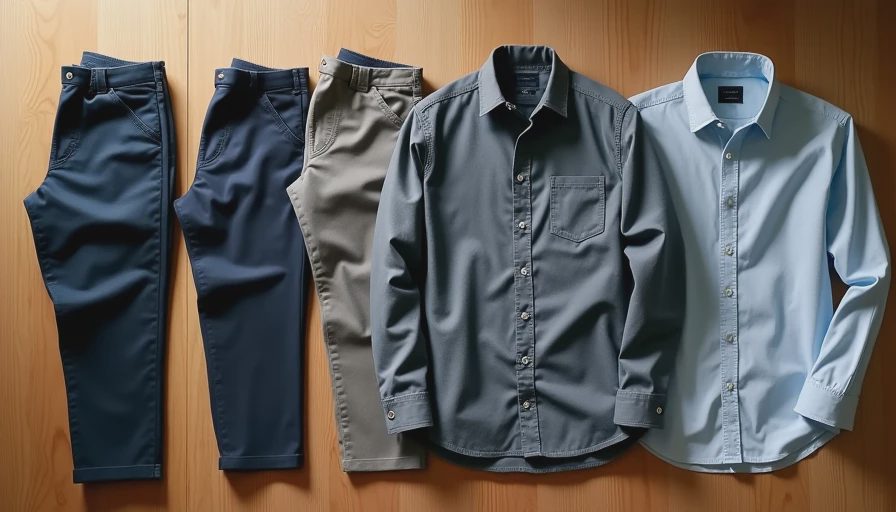
I bought shirts and pants in isolation. “This looks good” with no thought about whether it worked with what I already owned.
The game-changer was creating a small set of versatile pieces that all played well together. Three good pairs of pants. Eight to ten reliable shirts. A couple of jackets. Everything mixes. Decision fatigue gone.
If I could tell 35-year-old Brett one thing, it would be: Stop buying random items. Build a system.
Lesson 3: Dark, Versatile Colors Win in Real Life
I owned too many light khakis and patterned shirts that showed every stain and wrinkle. Dark chinos, navy, charcoal, olive — these colors hide the realities of dad life and Midwest weather.
Light blue and white oxfords are still great, but they need support from darker bottoms. The spreadsheet proved this over and over.
Lesson 4: Test Everything in Real Conditions
Buying something because it looked good in the store was my biggest mistake. I needed to test pieces during actual activities — client meetings, bike rides, barbecues, kid chaos.
The pants that survived the Katy Trail test. The shirts that held up through a month of daily wear. The jacket that survived four barbecues. Real use reveals truth.
Lesson 5: Maintenance Is Part of the Style
At 35 I didn’t steam, spot clean promptly, or hang things properly. I’d wash everything on hot and wonder why it looked tired quickly.
Learning basic care — cold washes, air drying when possible, immediate stain treatment — doubled the life of my clothes and improved how I looked every day.
Lesson 6: You Don’t Need More Clothes — You Need Better Editing
My closet was full but I had nothing to wear. The purge and subsequent data tracking showed me that fewer, better pieces that actually get worn beat a stuffed closet full of “maybes.”
Quality over quantity. Versatility over variety.
What I’d Tell My 35-Year-Old Self
“Hey Brett, stop overthinking trends. Focus on these things instead:
Get things tailored
Build around versatile basics in dark colors
Track what you actually wear
Test clothes in real life
Take care of what you own
Dress for the man you are right now, not who you used to be or wish you were”
The Confidence That Comes With Simplicity
The biggest surprise wasn’t how I looked — it was how I felt. When your clothes work for your life instead of fighting against it, you show up with more confidence. Not because you’re fashionable, but because you’re prepared.
Jenna noticed it. The guys at work noticed it. I felt it every morning.
You’re Not Too Old to Improve
I started making these changes at 39. It’s never too late. Whether you’re 35, 45, or 55, small consistent improvements compound over time.
You don’t need a total wardrobe overhaul. You need a few smart systems and the willingness to pay attention to what actually works.
At 35 I thought dressing decently was about buying the right things. Now I know it’s about building the right habits and systems.
The neighbor who lends you his lawnmower would tell you the same thing over the fence: Figure out what actually works for your life. Keep those pieces. Take care of them. Let go of the rest.
That’s what I wish I knew at 35. Consider this your nudge from 42-year-old me.



No notes yet — write the first.