Tuesday morning, 7:14, and I am standing in front of my closet trying to decide whether a three-piece suit makes me look prepared for a client meeting or ready to sell tickets at a silent movie theater. That is the problem with mens 1920 style suits: the good ones look deliberate and sharp, while the wrong ones turn into a costume before you reach the office.
The difference is not a pocket watch or a hat. It is fit, fabric, and restraint. I have spent enough time tracking clothes in my spreadsheet to learn that a historical reference works best when only one or two details are clearly old-fashioned. The rest should fit your actual life in 2025, including a commute, a school pickup, and a lunch that occasionally lands on your sleeve.
What Makes mens 1920 style suits Look Right
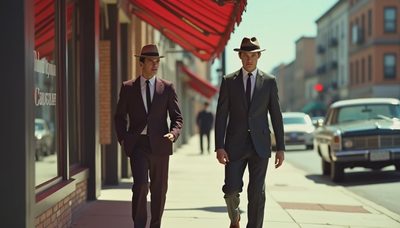
A 1920s-inspired suit usually has a higher-waisted trouser, a fuller jacket through the chest, and a longer overall line than a modern slim suit. The jacket often has peaked lapels, a strong shoulder, and two or three buttons. Trousers sit at the natural waist rather than below the stomach, which creates a cleaner transition from shirt to shoes.
That does not mean buying the biggest suit you can find. Fuller is not the same as baggy. The shoulder seam should end where your shoulder ends, the jacket collar should sit against your shirt collar, and the sleeve should show roughly a half-inch of cuff. Trousers should break lightly over the shoe. If the fabric puddles around your ankles, you are not getting period character; you are getting a tailoring bill.
For most men, a two-button jacket with a higher rise trouser is the easiest starting point. A three-piece suit adds the waistcoat, or vest, but it is not required. The vest can help a broader middle look more balanced because it covers the shirt area between the jacket and waistband. It also gives you a practical option when the office gets warm: remove the jacket and still look dressed.
Choosing Fabric, Color, and Pattern
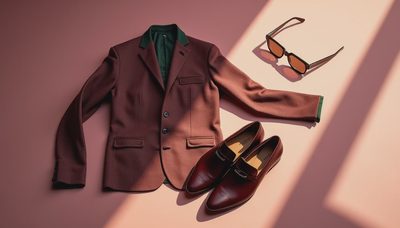
Wool is the safest fabric because it drapes properly and can work at the office, a wedding, or a dinner. A medium-weight worsted wool in navy, charcoal, or medium gray will get more use than a shiny black suit. For a more obvious vintage direction, look at brown herringbone, gray windowpane, or muted olive. These patterns have texture without announcing that you dressed for a themed party.
Avoid extremely bright chalk stripes unless you already own the basics. On a screen, a wide stripe can look like old-school confidence. In person, it can look like you are auditioning to run a fictional bank. A subtle stripe or windowpane gives you the same visual interest with fewer limitations.
Mens 1920 style suits work especially well with flannel or textured wool because those materials soften the sharper structure. Cotton or linen can work for summer, but the jacket will wrinkle more and usually look less formal. That is not necessarily bad. A light tan linen suit can be excellent for an outdoor wedding, while it would be a poor choice for a December client presentation in Kansas City.
Price is not a guarantee of success. A suit around $250 to $500 can look better than a $1,000 suit if the shoulders and trouser rise are right. Reserve some money for alterations. A $350 suit plus $100 in tailoring is often a better purchase than a $600 suit that hangs like a borrowed uniform.
The Shirt, Tie, and Shoes Do the Heavy Lifting
Once the suit is chosen, keep the supporting pieces straightforward. A white or pale blue dress shirt with a spread or point collar gives the jacket enough room around the neck. Avoid tiny modern collars if the lapels are broad; the proportions will look mismatched, as if two different outfits got combined in the dark.
A tie should usually be three inches wide or close to it. Wool, grenadine, or a simple silk texture works better than an ultra-shiny tie. Burgundy, navy, forest green, and brown are useful colors. A small geometric pattern feels more natural than a novelty print.
For shoes, brown cap-toe derbies, plain-toe derbies, or simple oxfords cover most situations. Black shoes make a charcoal suit more formal. Brown shoes relax navy and gray. A pair in the $120 to $250 range can last for years with basic care, while a disposable fashion shoe often develops creases and peeling finishes before the suit has paid for itself.
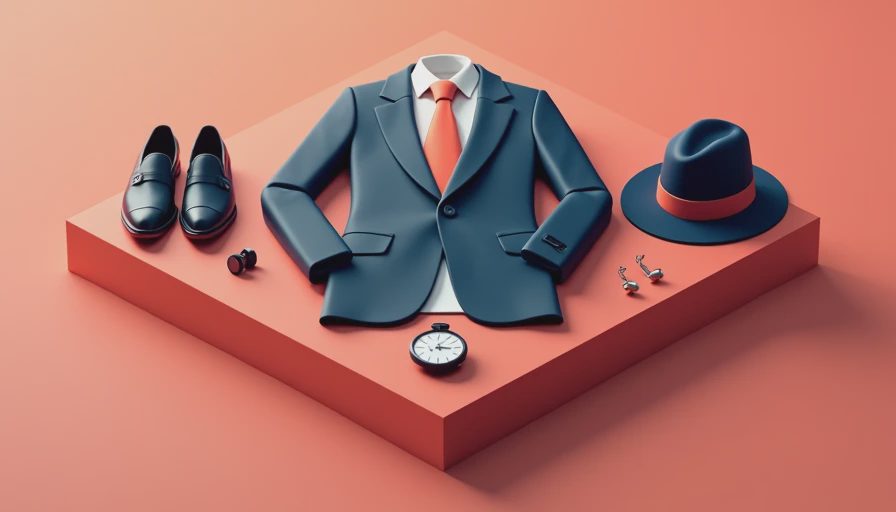
Mens 1920 style suits do not require a pocket watch, spats, or a fedora. If you want one period detail, choose a tie bar, a simple pocket square, or a watch with a leather strap. One is enough. The goal is dressed on purpose, not dressed for a reenactment.
How to Fit the Suit to an Ordinary Workweek
The smartest way to wear mens 1920 style suits is to separate the historical shape from the formal occasion. Wear the jacket with gray trousers and a knit tie for a regular office day. Wear the trousers with a navy blazer for a less formal meeting. Use the vest with an open-collar shirt at a fall wedding or dinner.
This approach also protects your budget. If a three-piece suit costs $450 and you wear the complete outfit only four times, that is more than $100 per complete wear before cleaning. Break it into jacket, trousers, and vest combinations, and the cost per wear drops quickly. My closet spreadsheet is not glamorous, but it has saved me from buying clothes that only work in photographs.
Before buying, stand, sit, reach forward, and raise your arms. The jacket should not pull hard across the back or pop open at the button. Sit in the trousers for a minute. If the waistband cuts into you immediately, it will not become more comfortable during a six-hour wedding reception. A tailor can adjust the waist, sleeve length, and trouser hem, but major shoulder changes are expensive and sometimes impossible.
Buying Mens 1920 Style Suits Without Wasting Money
Start by checking local consignment stores, vintage shops, and online resale listings, but ask for exact measurements rather than relying on a tagged size. Older sizing is inconsistent, and a listed 40 regular can measure very differently from a modern 40 regular. You need the chest, shoulder, sleeve, jacket length, waist, rise, and inseam.
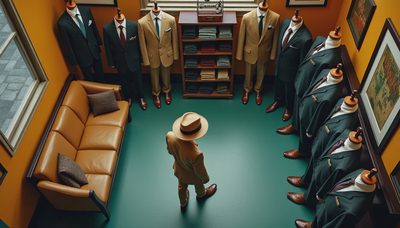
When shopping new, stores such as SuitSupply, Spier & Mackay, Brooks Brothers, and department-store house labels can provide useful starting points at different prices. I would not buy a brand simply because its name carries weight. Look at the actual cloth, construction, return policy, and alteration cost. A clean return policy matters when ordering online because a suit that looks excellent on a model may be too short in the jacket or too narrow through the seat.
Inspect the inside of a used jacket. Check for underarm wear, shiny spots on the elbows, missing buttons, and a lining that has begun to separate. Smell matters too. Smoke and heavy storage odors can be difficult to remove. A small loose thread is normal. A torn lining, moth damage, or a permanently shiny trouser seat should lower your offer or end the search.
A Simple First Outfit
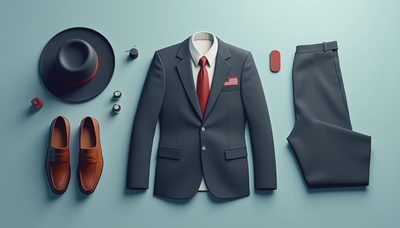
If you want the least complicated entry point, choose a medium-gray wool suit with a higher-rise trouser, a white shirt, a burgundy textured tie, dark brown derbies, and a plain white pocket square. Skip the vest for the first purchase. That outfit can handle a business meeting, a wedding, and a nice dinner without looking like a costume.
The best mens 1920 style suits are not museum pieces. They are useful clothes with a little backbone: a higher waist, a fuller but controlled cut, and enough texture to keep the outfit from looking flat. Start with fit, spend the alteration money, and add historical details slowly. Tomorrow morning, you should be able to put the suit on without explaining it. That is the whole point of being dressed on purpose.
No notes yet — write the first.