Tuesday morning, 7:14, Molly cannot find her lunchbox, Wyatt needs a permission slip, and I am staring at my closet with six minutes to spare. That is when 1950s fashion for guys starts making sense. It was not built around owning a hundred pieces or changing your personality every season. It was built around clean lines, useful clothes, and looking pulled together before the school bus arrives.
The good news is that you do not need a pompadour, a vintage car, or a closet full of reproductions. The useful part of the era fits ordinary American life today: well-fitting trousers, sturdy denim, simple shirts, leather shoes, and a jacket that gives your shoulders some shape. Think of it as a system, not a costume.
What 1950s style actually looked like
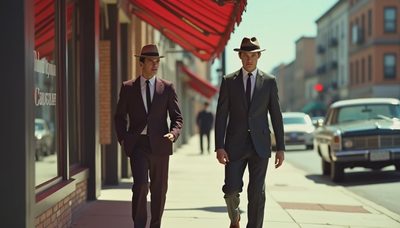
The popular image is a young man in a leather jacket and cuffed jeans, but that was only one corner of the decade. A working father might wear pleated trousers, a tucked-in button-down, and a cardigan. A mechanic might wear high-waisted denim and a short-sleeved work shirt. A teenager might wear a white T-shirt, denim, and canvas sneakers. The common thread was intention.
Clothes generally had more structure than today’s gym-and-loungewear uniform. Shirts were cut to sit on the shoulders instead of collapsing around the body. Trousers usually had a higher rise, meaning the waistband sat closer to your natural waist rather than low across your hips. Jackets often ended around the hip, which kept the outfit balanced.
For a modern man, 1950s fashion for guys works best when you borrow the proportions and materials, not every historical detail. You can wear a regular-fit oxford shirt with dark jeans and get the idea without looking like you are headed to a themed diner.
Build the foundation without buying a costume
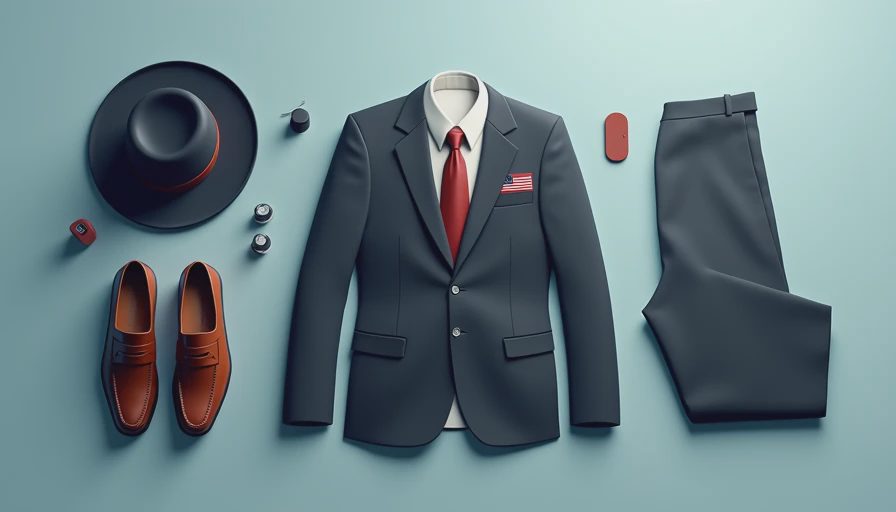
Start with five useful pieces. First, get dark straight-leg jeans in a medium or heavy denim. A little room through the thigh is practical when you are driving, climbing stairs, or carrying a kid. Second, add chinos in khaki, olive, or navy. Third, buy two button-down shirts, preferably oxford cloth, in white and light blue. Fourth, choose a knit polo or camp-collar shirt for warmer days. Fifth, add a simple Harrington-style or chore jacket.
You can find workable versions at retailers such as J.Crew, Uniqlo, Lands’ End, Gap, or local menswear stores without spending $1,000. A target of $35 to $80 for a shirt, $60 to $120 for jeans, and $100 to $200 for a jacket is realistic. I track every purchase in my closet spreadsheet, and the pieces that get worn repeatedly are rarely the most expensive ones. They are the ones that work with at least three other things.
Fit matters more than the label. The shoulder seam should sit near your shoulder bone. The shirt should close without pulling across your stomach. Jeans should touch your shoe with a small break rather than bunching into a stack of fabric. If a $45 shirt fits better than a $120 shirt, the spreadsheet says buy the $45 shirt.
Shirts, collars, and the details people notice
The decade’s shirts were not complicated, but they had presence. A button-down collar gives a casual shirt enough shape for an office, while a spread collar looks a little dressier under a jacket. You do not need to memorize collar terminology. Stand in front of a mirror and ask whether the collar still looks neat after you unbutton the top button.
Short-sleeved knit shirts are especially useful for 1950s fashion for guys because they can handle a backyard barbecue, casual Friday, or dinner out. Look for cotton, merino, or a cotton blend with a firm collar. Avoid paper-thin fabric that clings to your stomach. A textured shirt hides wrinkles and looks more substantial than a glossy synthetic one.
Tucking is another small decision with a large effect. Tuck a button-down into chinos when you want a cleaner office appearance. Leave a straight-hem camp shirt untucked if it is designed for that length. A shirt that ends around the middle of your fly usually looks deliberate; one that hangs to your thighs looks accidental.
Denim, trousers, and getting the proportions right
The easiest way to make 1950s fashion for guys look current is to keep the pants comfortable and the rest restrained. Choose straight or gently tapered legs rather than extreme skinny or oversized cuts. A higher-rise chino can be comfortable because it stays in place when you sit, especially if you wear a belt.
Dark denim pairs well with a white tee, flannel, knit polo, or sport coat. Khaki chinos work with navy, burgundy, forest green, and light blue. Gray wool trousers give you a step up for meetings without forcing you into a full suit. If you buy only one pair of dress trousers, choose charcoal or medium gray and have the hem adjusted by a tailor.
The old photographs often show cuffs at the bottom of trousers. You can try a small cuff on casual chinos, but it is not mandatory. A clean hem is easier to wear and more forgiving. The goal is not to reproduce a photograph; it is to make sure your shirt, pants, and shoes look like they belong to the same outfit.
Shoes and outerwear that finish the look
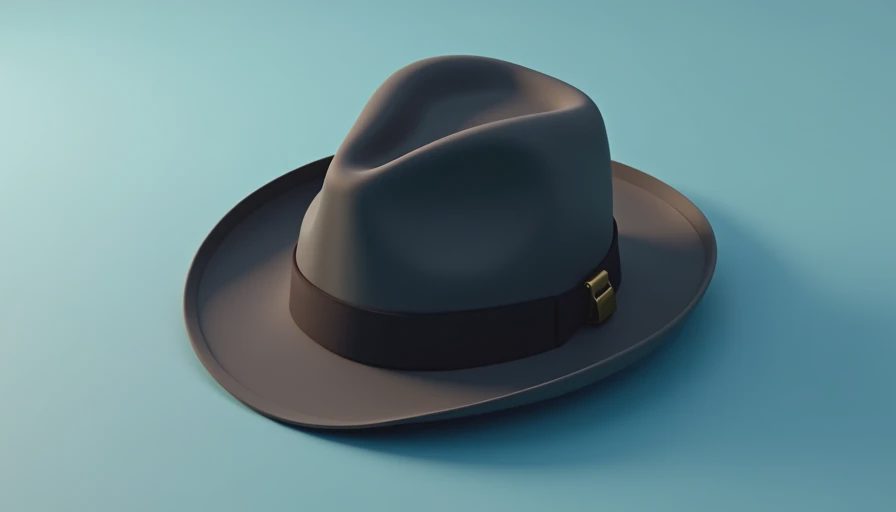
Shoes are where many otherwise good outfits fall apart. Brown leather loafers, plain derbies, suede chukka boots, and clean canvas sneakers cover most of the situations a working dad faces. Black leather is useful for formal offices, but brown tends to feel more relaxed with denim and chinos.
For a practical version of 1950s fashion for guys, skip novelty two-tone shoes unless you already have a place to wear them. A pair of brown penny loafers around $90 to $180 can serve with trousers, jeans, and even a summer suit. A simple white canvas sneaker should be clean, not necessarily brand new. Replace worn-out insoles before replacing the whole shoe.
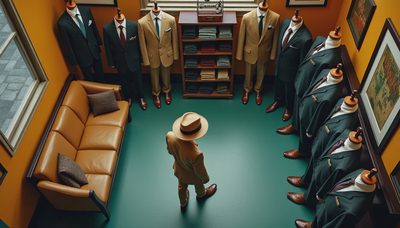
Outerwear gives this style its shape. A short jacket such as a Harrington creates a tidy waistline, while a chore coat adds a workwear feel. A navy wool topcoat is useful over office clothes in cold weather. Pick one jacket in a neutral color before buying something with racing patches, contrast piping, or decorative patches. Those details can be fun, but they limit how often you will wear the piece.
Three outfits you can wear this week
For Monday at the office, try gray trousers, a light-blue oxford shirt, brown derbies, and a navy cardigan. This gives you the clean, steady feeling associated with 1950s fashion for guys without looking theatrical. Add a simple belt that is close in color to your shoes.
For Saturday errands, wear dark straight-leg jeans, a white T-shirt, an olive chore jacket, and canvas sneakers. If the T-shirt feels too plain, add a watch or a textured overshirt. One accessory is enough; you are going to the hardware store, not accepting an award.
For dinner, wear navy chinos, a patterned knit polo, brown loafers, and a short jacket. Keep the pattern modest and let the fit do the work. This is also a good place for a tucked shirt if the waistband and shirt length cooperate.
How to make the style last three years
The best lesson from 1950s fashion for guys is restraint. Before buying anything, write down three outfits the item will complete. If you can only imagine one, leave it at the store. Check fabric weight, stitching, zipper quality, and care instructions. A $70 shirt worn 40 times costs less per wear than a $25 shirt abandoned after two washes.
Take five minutes on Sunday to prepare two complete outfits. Hang the shirt, pants, belt, and shoes together. This is not fussy; it is how you avoid wearing the same stretched polo for another video call. I started doing this after my closet spreadsheet showed that convenience, not taste, determined most of my choices.
You do not need to dress like a movie extra. Start with dark jeans, one good oxford, a pair of brown shoes, and a jacket that fits your shoulders. That is enough to look more deliberate tomorrow morning. Dressed on purpose does not mean dressed formally. It means your clothes look like a decision you made before the day started.

No notes yet — write the first.