Tuesday morning, 7:14, Molly cannot find her lunchbox, and I am looking at my closet with six minutes before the school drop-off. That is usually when complicated style advice loses me. The useful part of 1960s fashion for guys is that it gives you a small set of clear, wearable choices: a knit shirt, straight trousers, a simple jacket, and shoes that do not look like they belong in a costume shop.
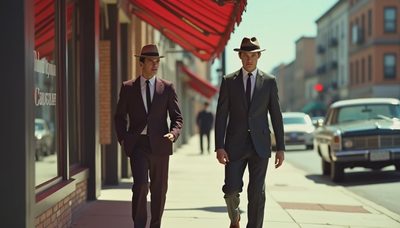
The decade was not one single look. Early-1960s men often dressed neatly in Ivy-inspired clothing, with narrow ties, button-down shirts, and tidy trousers. By the end of the decade, silhouettes became slimmer or more relaxed depending on the crowd, while brighter colors, denim, boots, and textured fabrics became easier to find. The trick today is borrowing the useful details without dressing like you are headed to a theme party.
What defined 1960s fashion for guys
The easiest way to understand the period is to picture a well-organized closet rather than a museum display. A typical foundation included trousers with a clean, straight leg, shirts with a noticeable collar, and a jacket that held its shape. Wool, cotton, corduroy, denim, and sturdy knit fabrics all had a place. The clothing usually looked intentional because the pieces fit reasonably well, not because every item was expensive.
The early decade leaned polished. Think button-down Oxford shirts, cardigan sweaters, narrow ties, penny loafers, and plain sport coats. The mid-decade brought sharper mod influences: slim shirts, shorter jackets, Chelsea-style boots, and stronger color contrast. Later, some men moved toward denim, workwear, suede, military details, and wider collars. That range is good news for a man shopping today. You can choose the lane that fits your actual life.
For my own closet, the most useful lesson is proportion. Your jacket should not swallow your frame, and your trousers should not bunch heavily over your shoes. A straight or modestly tapered leg usually looks more natural than an extreme skinny cut. If the outfit seems too narrow everywhere, add a heavier knit or a roomier jacket rather than buying a louder pattern.
The core pieces worth buying now
A pale blue Oxford shirt is the first place I would start. It works with jeans, gray trousers, chinos, and a navy blazer, so it earns its space quickly. Look for a collar that stays open without collapsing and a fit that lets you sit comfortably at a desk. White, cream, and muted yellow are also useful, but I would buy blue first.
Next, consider flat-front trousers in charcoal, olive, tan, or dark brown. Wool trousers are the dressier option, while cotton chinos and corduroy are easier for weekends. A medium rise, meaning the waistband sits around your natural waist rather than low on the hips, usually creates a balanced shape. Hem them so the fabric makes a small break over the shoe instead of pooling around your ankles.
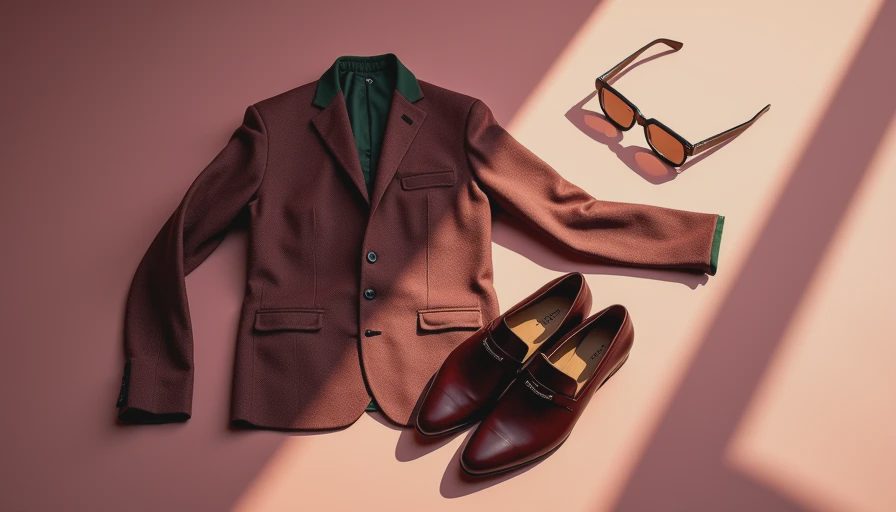
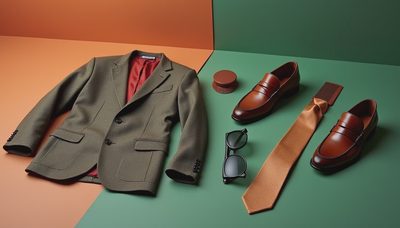
For a jacket, a navy blazer is dependable, but a brown corduroy sport coat or a simple chore jacket can bring more of the period's character. Avoid shiny fabric and oversized lapels if you want the outfit to feel current. A jacket with two or three buttons, patch pockets, and a natural shoulder can suggest 1960s fashion for guys without announcing the reference.
Knit polos are another practical shortcut. Choose cotton or merino in rust, forest green, cream, navy, or mustard. The shirt should skim your body, not cling to it. A textured knit gives an ordinary pair of trousers enough interest for dinner, a casual office, or a Saturday errand run.
Shoes and accessories that keep it grounded
Shoes can carry the period without making the whole outfit theatrical. Penny loafers, plain leather derbies, suede desert boots, and simple Chelsea boots are all reasonable choices. Brown suede is especially forgiving with olive, denim, tan, and gray. If you prefer sneakers, use a clean low-profile pair with minimal branding rather than a bulky athletic shoe.
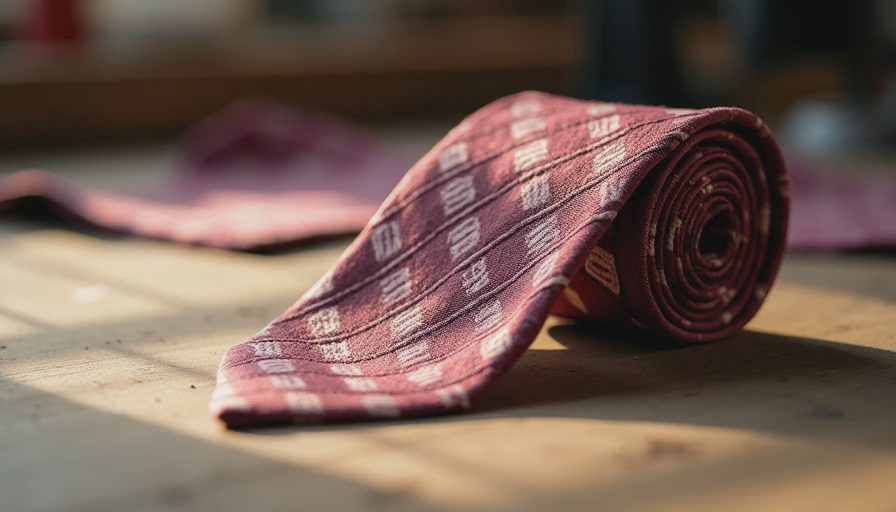
Socks are a small detail that helps the outfit look finished. Ribbed socks in a color that connects to the shirt or jacket are enough. You do not need novelty patterns. A narrow knit tie can work with an Oxford shirt and sport coat, but leave it at home if the rest of the outfit already has plenty of personality.
A simple watch, leather belt, and modest sunglasses complete the idea. The goal is not to collect accessories. It is to avoid the feeling that you grabbed disconnected items from three different closets. In my spreadsheet, these supporting pieces are the best value because I wear them across several outfits rather than only with one themed look.
Three outfits that work in real life
For a client-facing office, try a pale blue Oxford shirt, charcoal trousers, a navy blazer, dark brown loafers, and a narrow tie if your workplace calls for one. This is the cleanest entry point into 1960s fashion for guys, and nobody needs to know the decade supplied the idea. The outfit reads as professional first.
For a Friday or dinner, wear a rust or cream knit polo with dark straight-leg jeans, a brown suede jacket, and desert boots. Keep the jeans free of dramatic fading and distressing. The texture does the work, so you can skip extra accessories.
For a weekend, combine an ecru T-shirt, olive chinos, a denim jacket, and clean low-top sneakers. Roll the sleeves once if the cuff stays neat. This version feels closer to the workwear side of 1960s fashion for guys and handles a hardware-store trip, a barbecue, or a walk with the kids.
A fourth option is useful in colder weather: a turtleneck under a corduroy sport coat, with dark trousers and plain leather boots. If a turtleneck feels too formal, substitute a crewneck sweater. The point is the layered shape, not loyalty to one specific garment.
How to shop without building a costume
Start with your calendar. If you work in an office, buy the Oxford shirt, trousers, blazer, and loafers first. If your week is mostly casual, begin with the knit polo, dark jeans, chore jacket, and desert boots. A $45 shirt you wear twice a week is a better purchase than a $160 statement jacket that hangs untouched.
Check fit in three places: the shoulder seam, the waistband, and the trouser hem. Alterations are often more useful than a higher price tag. A $75 pair of trousers with a $20 hem can look better than an expensive pair in the wrong length. Try sitting, raising your arms, and walking before removing tags. Clothes should survive your actual day, not just a mirror inspection.
I would also limit your first color group to navy, gray, brown, olive, cream, and one accent color. Those shades mix easily and keep 1960s fashion for guys from turning into a closet full of one-off purchases. Buy one piece, wear it several ways, and record the result if you enjoy tracking clothes. Three years of wear data taught me that repeat use beats novelty every time.
Make the look your own
The best modern version is not a complete historical recreation. Choose one or two references and let the rest of your clothing stay familiar. A knit polo with ordinary chinos is enough. So is a corduroy jacket over a plain T-shirt. You could also wear loafers with jeans and a flannel shirt, using the shoes as the only nod to the decade.
Avoid stacking every recognizable detail at once: narrow tie, bold glasses, high-waisted trousers, Chelsea boots, and a patterned jacket can quickly look like a costume. 1960s fashion for guys works better when the colors are controlled and the fit is comfortable. If someone notices the clothes before they notice you, simplify one piece.
Tomorrow morning, pull out a shirt with a clear collar, trousers that break neatly, and shoes that are in good condition. Add one layer if the weather requires it. That is the whole system: useful clothes, sensible proportions, and enough personality to look dressed on purpose.
No notes yet — write the first.