Tuesday morning, 7:14, Molly cannot find her lunchbox, and I am staring at my closet with six minutes before I need to leave. That is when I appreciate the 60s style guys approach: simple clothes, clear combinations, and nothing that requires a fashion degree. The goal is not to dress like you are headed to a movie set. It is to borrow the useful parts of mid-century menswear and make them work for an American guy with a job, a mortgage, and grass to mow.
The best version of this look is clean but relaxed. Think straight-leg trousers, tucked-in knit shirts, leather shoes, and a jacket with enough structure to make you look ready without making you look like you are running for office. I have tested plenty of pieces since starting my closet spreadsheet in 2023. The outfits that last are the ones that look good on a regular Tuesday, not only in a carefully lit photograph.
What the 60s style guys look actually means
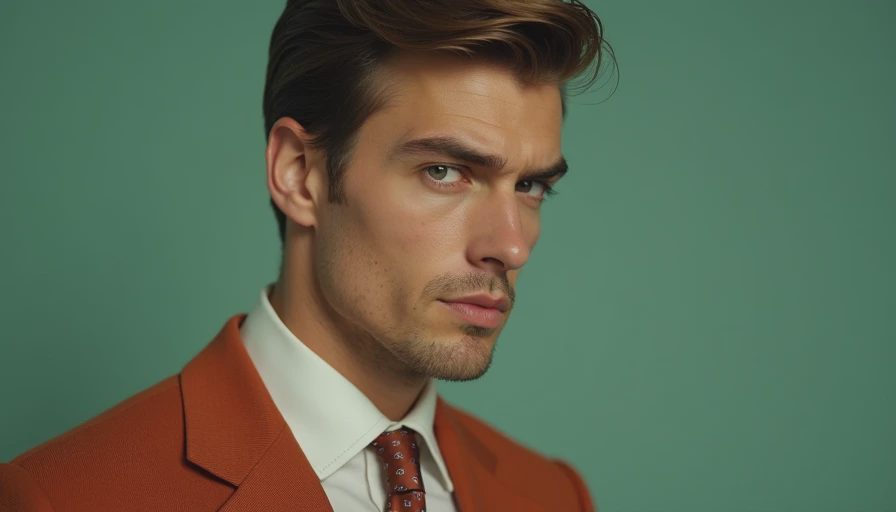
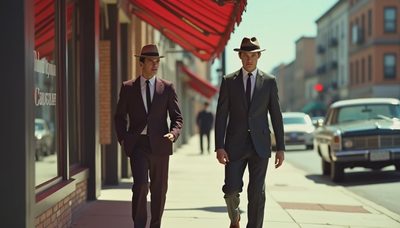
When people search for 60s style guys, they often picture narrow suits, skinny ties, loafers, and sharp hair. Those references are useful, but copying the whole package can make a grown man look like he lost a bet. A better approach is to take the proportions and materials rather than the costume.
Proportion simply means how the pieces relate to one another. A trim jacket works best with trousers that are straight or gently tapered, not painted onto your legs. A fuller trouser needs a shirt or jacket with some substance. If the top is tight and the pants are wide, the outfit can look borrowed from two different closets.
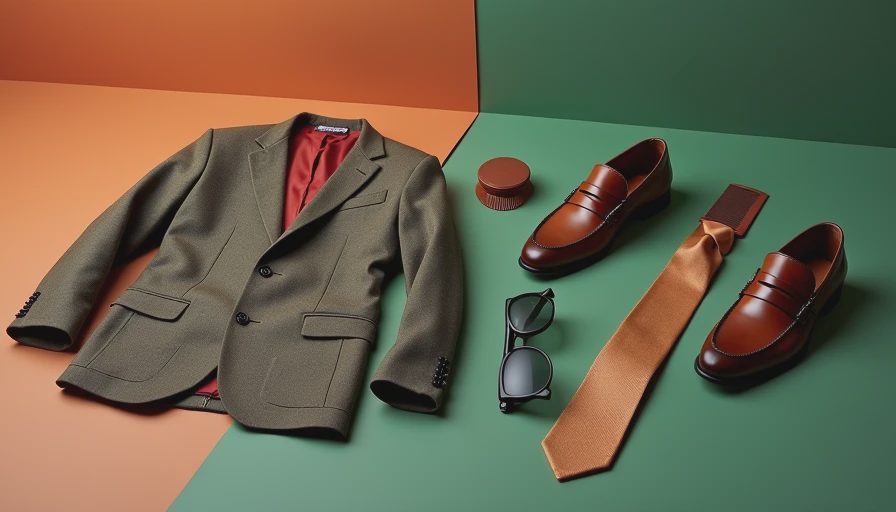
Start with colors that have been dependable for decades: navy, charcoal, cream, olive, brown, and burgundy. These shades cooperate with each other and do not announce that you bought everything last weekend. A navy cardigan over an ecru Oxford shirt and gray trousers is a strong weekday combination. So is an olive overshirt with dark denim and brown leather boots.
Build the foundation before buying the fun stuff
The 60s style guys wardrobe starts with fit, not labels. A $45 shirt that sits correctly at the shoulder will do more for you than a $180 shirt with a collar you keep adjusting. The shoulder seam should land near the edge of your shoulder, the collar should rest without choking you, and the sleeves should reach the wrist bone when your arms hang naturally.
For shirts, I would begin with two Oxford cloth button-downs, one white and one light blue. Add a knit polo in navy or rust, then a heavier flannel or brushed cotton shirt for colder months. The knit polo gives you the period flavor without requiring a tie. It also works at a school meeting, a casual office, or dinner at a place where you do not need to check the dress code first.
Trousers deserve more attention than most men give them. A medium-rise pair in gray wool-blend fabric can handle a blazer, cardigan, or plain crewneck sweater. Dark chinos cover the less formal days. I prefer a small break at the shoe, meaning the trouser hem makes one modest fold instead of stopping above the ankle. That detail keeps the outfit adult and useful.
Jackets, shoes, and the details that pull it together
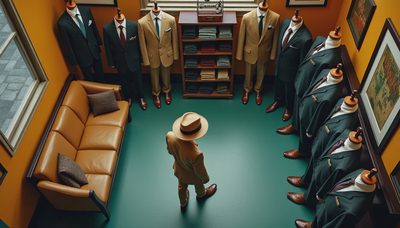
A jacket is where this look can become practical instead of theatrical. Try an unstructured navy blazer, a brown corduroy jacket, or a suede-style bomber with a simple collar. Unstructured means there is less padding and stiffness, so the jacket feels closer to a cardigan. That is useful in a Midwest office where you may spend the morning inside and the afternoon carrying boxes to your car.
The 60s style guys formula does not require expensive footwear. Brown penny loafers, plain derbies, clean white leather sneakers, and chukka boots cover most of my week. I keep one pair of black lace-up shoes for formal meetings, but brown shoes get more wear because they work with navy, gray, olive, and denim.
Pay attention to belts, socks, and eyewear without turning them into a performance. A belt close to the color of your shoes helps the outfit look intentional. Ribbed socks in rust, forest green, or mustard add interest when you sit down, but they do not need to be visible from across the room. If you wear glasses, a modest acetate frame can support the era without making you look like you are auditioning for a television commercial.
Three outfits you can wear this week
The first outfit is a Monday office option: light blue Oxford shirt, charcoal trousers, navy blazer, and brown derbies. Add a simple watch and leave the pocket square at home. This is the 60s style guys version that works when you need to look prepared but still want to eat lunch at your desk without worrying about the jacket.
For Friday, try a rust knit polo, dark straight-leg jeans, and suede chukka boots. Tuck the polo if the jeans have a medium or high rise; leave it untucked if the hem is cut shorter. The small decision matters because a long shirt over low-rise jeans can make your legs look shorter.
For the weekend, wear an olive overshirt over a cream T-shirt, tan chinos, and clean sneakers. This combination works for a hardware store trip, a kid's soccer game, or a barbecue. The clothes have texture and shape, so you look put together without looking dressed up.
How to shop without wasting money
The 60s style guys method is especially useful when shopping because it gives you a filter. Before buying anything, ask whether the item works with at least three things you already own. A burgundy cardigan that only works with one pair of trousers is not a bargain at $25 or $125. I learned that after buying a bright patterned shirt that appeared in my spreadsheet exactly twice in three years.
Set practical price limits. A durable Oxford shirt in the $35 to $80 range can be a smart purchase. Basic trousers often make sense around $60 to $150, while a jacket may justify $100 to $300 if you expect weekly wear. Brand names are less important than fabric, construction, and whether the garment fits your shoulders and waist.
Check the clearance rack, resale shops, and regular department stores before assuming you need a specialty retailer. I have found better cost-per-wear from a sale cardigan than from a much more expensive piece I felt nervous wearing. Buying less often gives you room to tailor what you already own. Spending $20 to $45 on a trouser hem or sleeve adjustment can rescue an otherwise solid purchase.
Make the look yours
The point of 60s style guys is not to freeze your wardrobe in 1964. It is to use a period when menswear understood restraint: clothes had shape, colors worked together, and casual did not automatically mean sloppy. You can wear modern performance fabric, a smartwatch, or a favorite baseball cap and still keep the underlying discipline.
Start tomorrow with one change. Put on a collared shirt instead of a stretched T-shirt, switch athletic sneakers for clean leather shoes, or add a jacket over an ordinary outfit. Take a quick mirror photo, then note what you liked and what bothered you. That is how I improved my closet: one real day at a time, with notes instead of guesses.
The most useful lesson from 60s style guys is simple: get dressed on purpose. You do not need a new personality or a closet full of expensive clothes. You need a few dependable pieces, better proportions, and combinations that survive work, family life, weather, and the occasional barbecue sauce spill.

No notes yet — write the first.