Tuesday morning, 7:14, Molly cannot find her lunchbox, and I am staring at my closet with six minutes before school drop-off. That is when men's fashion 50's advice needs to be useful, not a lecture about runway trends. You need clothes that fit, hold up at the office, survive a weekend errand, and do not require a second mortgage. I learned that by tracking every purchase and every wear in a spreadsheet. The goal is simple: get dressed on purpose and stop buying clothes that look good only on a hanger.
Start with fit, not age
The best starting point for men's fashion 50's is fit. Your clothes do not need to be tight, oversized, or especially fashionable. They need to sit where they should. A shoulder seam should land near the end of your shoulder, a shirt collar should close comfortably without choking you, and your trouser waistband should stay in place without a belt doing all the work.
I am not the same shape I was at 25, and neither are most guys reading this. That is normal. A good tailor can shorten sleeves, adjust a waistband, or taper a trouser leg for roughly $15 to $60, depending on the job. Those alterations often do more than replacing an entire outfit. When I started logging my clothes at 38, the first change was not buying more. It was taking two jackets and three pairs of pants to a tailor. They immediately became clothes I reached for.
Avoid the common mistake of buying a larger size to hide a changing waist. Extra fabric around the chest and shoulders usually makes a man look smaller and less put together. Buy for the largest part of your body, then adjust the rest.
Build a dependable color system
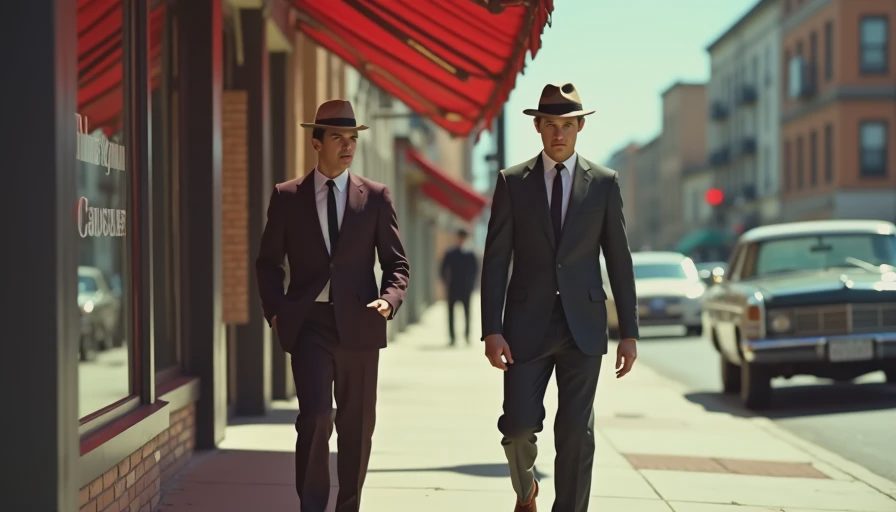
Men's fashion 50's gets easier when your closet has a small color plan. Navy, gray, olive, brown, white, light blue, and denim give you plenty of combinations without making every morning a puzzle. I keep a navy sport coat, gray wool trousers, dark jeans, khaki chinos, white shirts, and light blue shirts in regular rotation. Those pieces work for a client meeting, a school event, or dinner at a place where wearing a clean T-shirt would feel a little too casual.
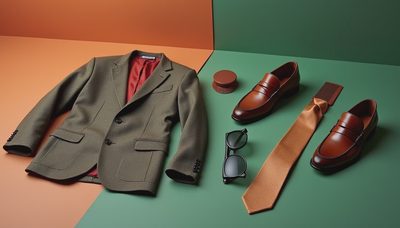
This does not mean your clothes need to be boring. Texture does the work that loud color often tries to do. A blue oxford shirt, a navy merino sweater, and a blue chambray shirt are different because they have different surfaces and weights. Add a rust-colored overshirt or a muted green jacket when you want some personality. These shades are easy to combine and do not become useless after one season.
Before buying anything, look at your existing closet. If a new shirt works with at least three pairs of pants and two pairs of shoes, it has a better chance of earning its keep. My spreadsheet calls this the five-outfit test. It is not glamorous, but it has stopped plenty of bad purchases.
The jacket and shirt combination that solves most mornings
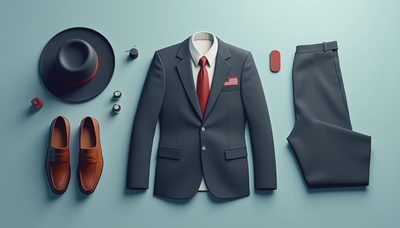
For practical men's fashion 50's, a soft sport coat is one of the highest-value pieces you can own. It gives a plain shirt more structure without making you look like you are headed to a wedding. Choose an unpadded or lightly structured jacket in navy, charcoal, brown, or a subtle check. A $150 to $350 jacket with a reasonable fit can cover years of work dinners, presentations, and family gatherings.
Wear it with an oxford shirt, polo, knit shirt, or fine-gauge sweater. The key is to avoid making every item equally formal. A navy jacket with gray trousers and a white button-down looks polished. The same jacket with dark jeans and a textured polo feels more relaxed. That contrast keeps an outfit from looking like a suit that lost its pants.
Shirt length matters too. A shirt should stay tucked when you reach for a file or buckle a child into a car seat. Untucked casual shirts should generally end around the middle of your zipper area, not halfway down your thighs. If the shirt hangs much lower, it can make your legs look short.

Shoes should match your actual schedule
Men's fashion 50's advice often focuses on shirts and jackets, but shoes determine whether an outfit looks finished. You do not need ten pairs. I get most of my use from four categories: clean leather sneakers, brown casual boots, dark brown or oxblood dress shoes, and a pair of practical loafers or derbies.
A clean leather sneaker works with jeans, chinos, and some unstructured jackets. It should be simple, not a basketball shoe with bright logos and a thick performance sole. Brown boots handle fall weekends, travel, and casual office days. For formal work, a plain-toe derby is often more forgiving and more comfortable than a sharp, narrow dress shoe.
Spend money where construction affects comfort. A $100 to $200 shoe that fits your foot and can be maintained will usually beat a $45 pair that cracks after one winter. Use shoe trees in leather dress shoes, wipe salt from boots, and rotate footwear rather than wearing the same pair every day. That small routine has extended the life of my better shoes by years.
Buy fewer pieces and track the result
The most useful part of men's fashion 50's is learning what you actually wear. I record the purchase price, date, number of wears, and current condition. A $240 jacket worn 40 times costs $6 per wear. A $45 shirt worn twice costs $22.50 per wear. The cheaper purchase was not the bargain.
Give each new item a 30-day test. Wear it with your normal pants, shoes, and coat. Notice whether you avoid it because it wrinkles, feels tight in the shoulders, needs special cleaning, or simply does not work with the rest of your closet. Those details are more valuable than a sales tag. If you work from home three days a week, you may need better casual layers more than another business suit. If you travel for work, wrinkle resistance and comfortable shoes deserve priority.
Brand names can help with sizing consistency, but they are not a substitute for checking measurements. A $30 shirt from a reliable sale can beat a $120 shirt with poor proportions. Price is one data point. Wearability is the result.
A simple shopping plan for the next 90 days
If your closet needs a reset, start with an honest inventory. Remove anything damaged, uncomfortable, or untouched for a year. Then list the gaps. Most men do not need a complete new wardrobe; they need one pair of pants that fits, two shirts that coordinate, and one versatile outer layer.
For the first month, buy nothing. This exposes the outfits you are missing instead of letting a sale choose for you. In the second month, fill the most obvious gap with one durable item. A pair of gray trousers might unlock five work outfits. A lightweight jacket might solve spring weekends and casual Fridays. In the third month, add a replacement only if something you own is worn out or consistently wrong for your life.
That is my practical definition of men's fashion 50's: clothes that fit the body you have, suit the life you actually live, and get worn often enough to justify their place. Tomorrow morning, start with one shirt, one pair of pants, and one pair of shoes that work together. Then make the next choice on purpose.

No notes yet — write the first.