Tuesday morning, 7:14, Molly cannot find her lunchbox and I am standing in front of the closet with six minutes to spare. This is exactly when a 100 cotton henley earns its place. It is comfortable enough for school drop-off, presentable enough for a casual office, and simple enough that I do not need Jenna to approve the outfit before I leave the house. That combination is more useful than another shirt bought because somebody online called it essential.
What makes a 100 cotton henley useful
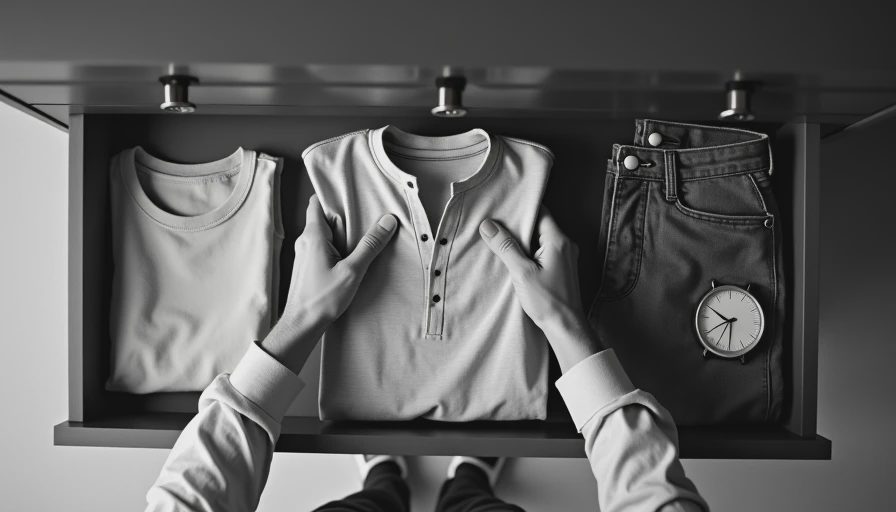
A 100 cotton henley is a knit shirt with a short button placket at the neck, usually with three or four buttons. It sits somewhere between a T-shirt and a casual polo. The cotton gives it a familiar, breathable feel, while the buttons add just enough structure to keep it from looking like sleepwear.
The important word is not just cotton. It is the construction. A thin shirt can be excellent under a casual jacket, but it might show every wrinkle and lose its shape by lunchtime. A heavier version can look substantial on its own, although it may feel warm in July. When I log a shirt in my closet spreadsheet, I note the fabric weight, collar shape, and whether the cuffs still look clean after several washes. Those details tell me more than the label.
The best 100 cotton henley I own is not the most expensive one. It is a midweight charcoal shirt that cost about $35, survived regular washing, and has been worn often enough to bring its cost per wear below two dollars. That is a better result than a $90 shirt that stays on a hanger because it is too delicate for real life.
How to choose the right fit
Fit is where a 100 cotton henley either looks intentional or turns into a shirt you only wear while cleaning the garage. Start with the shoulder seam. It should land near the edge of your shoulder, not halfway down your upper arm and not several inches toward your neck. The chest should skim your body without pulling across the buttons.
Pay attention to length. For most men, the hem should reach around the middle of the zipper area and cover the waistband when standing. If it hangs to the bottom of your seat, it will bunch under a jacket. If it stops above the belt, it will ride up every time you reach for something on a high shelf. I am six feet tall with an average build, and a regular medium usually works when the shirt has a straight cut. A slim cut often feels fine in the fitting room but becomes irritating after a full day at a desk.
The sleeve should finish around the middle of your upper arm for a short-sleeve version. Long sleeves should end at the wrist bone. You can try one shirt in two sizes and take a phone photo from the side. That reveals the proportions more honestly than looking down at your own chest.
Fabric weight, texture, and shrinkage
A lightweight 100 cotton henley works well in warm climates or as a base layer. Expect a softer, thinner feel and more visible wrinkles. A midweight shirt is the safest starting point for most wardrobes because it works alone from spring through fall and layers under a denim or chore jacket. Heavyweight cotton feels sturdy and often drapes better, but it can be too warm for an indoor office.
Look closely at the collar and placket before buying. The fabric around the buttons should lie flat, and the collar should return to its shape after you tug it gently. Loose threads are not always a deal breaker, but several unfinished seams suggest the shirt may not age well.
Shrinkage is the practical concern. Cotton can shrink, especially with hot water and high dryer heat. If you are between sizes, do not assume a larger shirt will become perfect after washing. Check the care label, wash in cool water, and dry on low or hang the shirt while damp. A shirt that fits correctly before washing should still fit correctly after you have followed its instructions.
Colors that earn regular wear
My most useful color is faded navy, followed by heather gray and olive. Navy works with khaki chinos, blue jeans, gray trousers, and tan shorts. Gray is easy on weekends but can look too much like an undershirt if the fabric is very thin. Olive adds variety without forcing you into a loud pattern.
A black 100 cotton henley can look sharp with dark denim, but lint and fading show quickly. Rust, burgundy, and cream are good seasonal choices when your closet already has dependable neutrals. I would buy one interesting color after owning two colors you can wear at least twice a week. This prevents the common mistake of having a closet full of personality and nothing that works on Wednesday morning.
When comparing a 100 cotton henley in person, hold the color near your face in natural light. Store lighting can make pale gray look flattering and navy look almost black. A thirty-second check near a window is worth more than a product photo with perfect lighting.

Easy outfits for actual weekdays
For a casual office, try a navy 100 cotton henley with stone chinos and brown leather sneakers. Add a simple canvas belt so the outfit has a visual connection at the waist. If your workplace is more traditional, wear the shirt under an unstructured navy blazer and choose a darker color with a clean collar.
For Saturday errands, combine an olive shirt with medium-wash jeans and low-profile sneakers. The henley gives the jeans more shape than a basic T-shirt without making you look dressed for a restaurant opening. For a backyard project or bike ride, a lighter shirt with stretch denim or shorts is practical, though you should expect cotton to absorb sweat rather than move it away like a technical athletic fabric.
A good 100 cotton henley can also replace a polo at family gatherings. Wear a cream or burgundy version with dark jeans and casual boots. Leave the top button open, but do not automatically unbutton the entire placket. Two open buttons usually look relaxed; four can make the neckline lose its shape.
Care, cost, and when to buy another
Wash a 100 cotton henley with similar colors, use a modest amount of detergent, and avoid cramming the washer full. The extra space helps prevent twisting and unnecessary abrasion. Turn darker shirts inside out before washing, especially if you want to slow fading. Remove the shirt from the dryer promptly or lay it flat for a cleaner finish.
A reasonable price range is about $20 to $60 for a dependable everyday shirt. At the lower end, inspect stitching and expect less consistent sizing. Around $35 to $45, you can often find solid midweight fabric and better finishing. Above $60, ask what you are gaining: a better cut, heavier fabric, or simply a familiar label. The answer should be something you can feel or use, not a logo hidden on the hem.
I use a simple buying test. Can I name three pants options for the shirt? Can I wear it without ironing every time? Does the collar stay flat after handling? If the answer is yes, the shirt is likely to earn regular rotation. If it only works with one pair of jeans, it is not as versatile as the mirror suggested.
The practical takeaway
A 100 cotton henley is not a magic piece, and it does not need to be. It is a reliable middle ground for men who want to look put together without dressing like they spent an hour studying style forums. Start with midweight cotton in navy, gray, or olive. Check the shoulder and hem, wash it gently, and build outfits around pants you already wear.
My own closet works better when every purchase has a job. The 100 cotton henley handles school runs, Friday office hours, Saturday errands, and dinner at home. That is enough job security for one shirt. Buy one that fits, wear it often, and let the spreadsheet prove whether it belongs. That is dressing on purpose.



No notes yet — write the first.