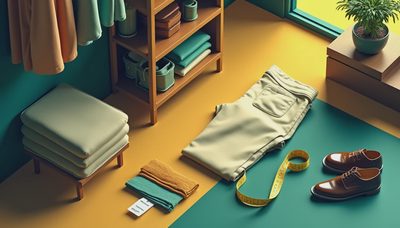
Tuesday morning, 7:14, Molly cannot find her lunchbox, Wyatt needs a permission slip, and I have six minutes to get out the door. On mornings like that, 100 cotton slacks are useful because they do not require much thought. They are comfortable enough for a full workday, presentable enough for a client meeting, and straightforward to pair with shirts already hanging in the closet.
That practicality is the whole appeal. I am not trying to build a runway wardrobe. I want pants that survive office chairs, school pickups, restaurant booths, and the occasional barbecue cleanup. The right pair of 100 cotton slacks can handle that job, provided you pay attention to fabric weight, fit, and care instructions instead of grabbing the first inexpensive pair on the rack.
Why 100 cotton works for an everyday wardrobe
Cotton is breathable, familiar, and generally comfortable against the skin. Unlike polyester-heavy dress pants, it usually feels less slick and traps less heat during a long afternoon. That matters when you are driving across town, sitting through a meeting, and then walking into a grocery store with a list that somehow includes twelve items not written down.
A pair of 100 cotton slacks also tends to look less shiny than synthetic fabric. That gives them a relaxed but grown-up appearance. They can work with an oxford shirt and loafers on Monday, then a knit polo and clean leather sneakers on Friday. The fabric does wrinkle more readily than a synthetic blend, but the tradeoff is a texture that looks natural rather than overly polished.
The catch is that cotton is not magic. A thin pair can look limp, while a heavy pair may feel too warm indoors. Some fabrics shrink if washed carelessly. I have learned to treat the care label as part of the purchase decision, not an annoying tag to remove later.

What to check before buying 100 cotton slacks
Start with the waistband. It should sit comfortably without needing a belt to prevent sliding, but it should not pinch when you sit down. I usually test this in a chair or fitting-room bench because standing hides problems. If the waistband feels tight while seated, a full day at a desk will make the mistake obvious.
Next, examine the rise, meaning the distance from the waistband to the crotch. A very low rise can make a regular office outfit look cramped, while an excessively high rise can feel old-fashioned unless the rest of the cut supports it. For most men in their thirties, forties, and fifties, a mid-rise shape is the dependable middle ground.
The leg should follow your body without clinging. You want enough room to climb stairs and get into a car, but not so much extra cloth that the pants collapse around your shoes. A slight break at the hem is a safe choice for business-casual dressing. If the pants bunch heavily above the shoe, a $15 to $25 alteration can make a $50 pair look considerably better.
Pay attention to pockets and stitching, too. Pocket openings that pull apart when you put your phone away indicate a poor fit or weak construction. Flat, even stitching and a secure button are small details, but they often separate useful daily pants from something that will be replaced after one season.
Choosing the right cotton weave and weight
Not every pair of 100 cotton slacks feels the same. Twill is a common choice because its diagonal weave gives the fabric durability and a little visual depth. It works well for navy, gray, olive, and khaki pants. Chino-style twill is usually more casual, while a smoother cotton weave can fit a traditional office better.
Poplin is lighter and crisper, which can be comfortable in warm weather. It also wrinkles faster, so it makes more sense for casual offices than for a day packed with presentations. Corduroy is another cotton option for fall and winter. Its raised ridges add warmth and texture, although it is harder to dress up than a plain charcoal or navy pair.
Fabric weight is rarely printed in a way shoppers can easily compare, so use your hands. Hold the pants up to light and pinch the cloth. If it feels paper-thin, expect faster wear around the seat and knees. If it feels like workwear, it may be uncomfortable in a heated office. Medium-weight cotton is usually the best starting point for a four-season wardrobe, especially in the Midwest.
A sensible first purchase is medium-weight navy or charcoal 100 cotton slacks in a clean twill. That choice gives you more combinations than a loud pattern and makes it easier to judge whether the cut works before spending more money.

How to wear 100 cotton slacks without overthinking it
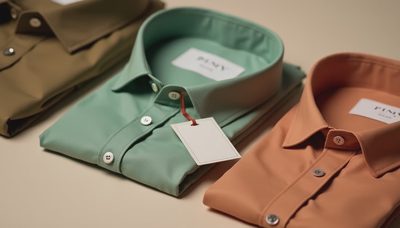
For a regular office day, try navy slacks with a white or pale blue oxford shirt and brown leather shoes. Gray works with nearly any muted shirt color, including blue, white, green, and burgundy. Add a simple belt that matches the general color of your shoes; it does not need to be an exact designer match.
For a less formal workplace, 100 cotton slacks pair well with a textured polo, a chambray shirt, or a fine-gauge sweater. Clean sneakers can work if the office allows them, but keep the shoes simple and in good condition. Loud athletic shoes change the outfit from relaxed to accidental pretty quickly.
Avoid making every item the same shade. Navy pants with a light blue shirt can look flat unless you add contrast through a brown belt, gray sweater, or darker shoe. Similarly, khaki pants and a tan shirt can blend together. The easiest fix is to make one piece clearly lighter or darker than the others.
Care, shrinkage, and getting your money's worth
Before washing 100 cotton slacks, check whether the label says machine wash, cold wash, or dry clean. If machine washing is allowed, cold water and a gentle cycle help reduce fading and unnecessary shrinkage. Remove the pants promptly, smooth the waistband and seams by hand, and hang them from the waistband or a sturdy hanger.
A dryer is convenient, but high heat is where many cotton pants lose their original shape. I use low heat briefly and finish air-drying when possible. If the pants come out wrinkled, five minutes in the dryer with a damp washcloth can loosen them, followed by hanging. An iron on the cotton setting handles stubborn creases, and a basic steamer is helpful if you wear office clothes several days a week.
Buy two pairs if your budget allows. Rotating them gives each pair time to recover between wears and reduces the temptation to wash the same pants repeatedly. A $60 pair worn once a week for a year costs roughly $1.15 per wear before laundry. That is a better calculation than judging value only by the checkout price.
A simple buying plan for your next pair
If your closet is short on dependable pants, start with one medium-weight navy pair and one charcoal pair. Try them on with the shoes you actually wear, not the dress shoes you own for weddings. Check the seated fit, pocket tension, hem length, and waistband before deciding.
Then inspect the label for fiber content and care requirements. If the listing says “cotton-rich,” it is not the same as 100 percent cotton. A small amount of elastane can add stretch and comfort, but it changes the fabric and should be an intentional choice. Pure cotton is appealing when you want breathability and a natural hand; a blend can be practical when wrinkle resistance matters more.
My spreadsheet has taught me that the best 100 cotton slacks are not necessarily the cheapest or most expensive. They are the pairs that fit on a rushed morning, work with at least four shirts, and still look respectable after repeated washing. Start there, dress them with clean basics, and you will have an outfit that works without turning your closet into a second job. That is dressed on purpose.



No notes yet — write the first.