Tuesday, 7:14 a.m., Molly cannot find her lunchbox, Wyatt needs a permission slip, and I am staring at my closet with six minutes to spare. On mornings like that, cotton dress slacks earn their keep. They look more put together than jeans, feel less stiff than traditional wool trousers, and work with shirts I already own. For an office, school conference, client meeting, or dinner after work, cotton dress slacks are one of the easiest ways to get dressed on purpose.
Why cotton dress slacks belong in a practical closet
The best pair gives you the structure of dress pants without making you feel like you are wearing a costume. Cotton has a little visual texture, so it usually looks more relaxed than shiny synthetic fabric. It also handles normal family life well. I can sit in the car, walk into a claims office, and crawl under a workbench in the garage without worrying about every movement.
That does not mean every cotton trouser is equally useful. Very thin fabric can wrinkle quickly and show pocket outlines. Extremely stretchy fabric can lose its shape by the end of the day. I look for a medium-weight weave with a small amount of elastane, usually around 1 to 3 percent. That gives enough comfort for driving and sitting while keeping the pants from looking like athletic wear.
My closet spreadsheet tracks cost per wear, and a $60 pair worn twice a month can beat a $140 pair that only leaves the closet for special occasions. Start with a pair you will actually reach for. Navy, charcoal, khaki, and medium gray cover most work situations without requiring a new shirt for every outfit.
Getting the fit right without overthinking it
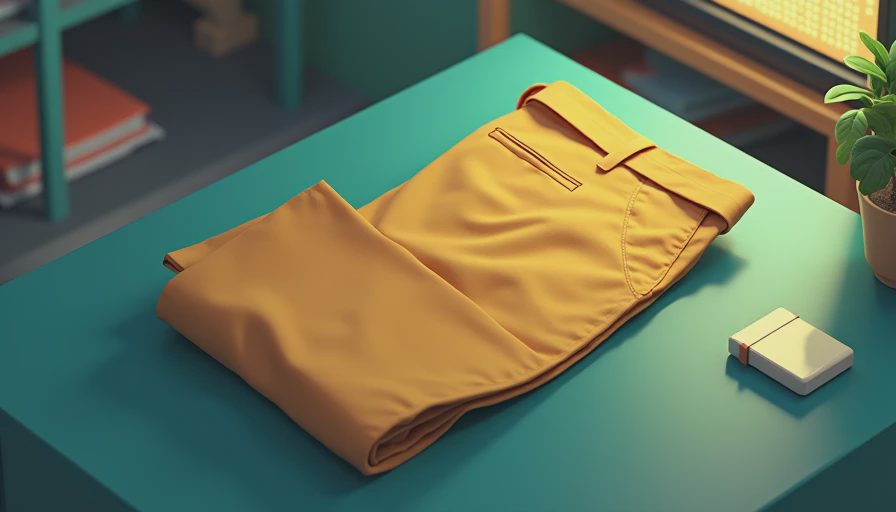
Fit matters more than the label on the waistband. Cotton dress slacks should sit securely at your natural waist or just below it, depending on how your shirts fit. You should be able to slide two fingers comfortably inside the waistband. If you need to hold your breath to button the pants, they are too small. If the waistband gaps when you sit, try a different cut or have a tailor adjust it.
The seat should follow your shape without pulling across the pockets. Check the back view in a mirror, because a pair that looks fine from the front can still bunch under the belt. The thighs need room to sit and climb stairs, but excess fabric can make the whole outfit look borrowed. A straight or slim-straight leg is generally the safest starting point for men in their 30s, 40s, and 50s.
Pay attention to length. The hem should lightly touch the top of your shoe, creating a small break in the fabric. A large fold at the ankle makes the pants look too long; no break can look overly cropped in a conservative office. Alterations often cost $15 to $25, which is a better use of money than replacing a pair that fits everywhere else.
Choosing fabric, color, and useful details
When shopping for cotton dress slacks, rub the fabric between your fingers. You want enough substance that it does not feel transparent or papery. A subtle twill pattern is versatile and hides ordinary chair wrinkles. A flat front usually creates a cleaner line, while a single pleat can provide useful room through the stomach and upper thigh. Neither option is automatically better; comfort and proportion matter more than internet rules.
For a first purchase, charcoal is hard to beat. It works with white, blue, pink, and patterned shirts and pairs easily with black or brown shoes. Navy is slightly more casual and looks good with light blue oxford shirts. Khaki is useful with navy polos and sweaters but can look too close to chino territory if the pockets or stitching are conspicuous.
I would skip cargo pockets, contrast stitching, and oversized belt loops for office wear. Those details can be fine on weekend pants, but they reduce the number of shirts and jackets that work with the trousers. A plain waistband, clean pockets, and a modest finish give you more combinations for less money.
Building outfits you can repeat
A reliable Monday outfit is charcoal cotton dress slacks, a light blue button-down shirt, brown leather shoes, and a belt in a similar shade. On Tuesday, keep the pants and switch to a white shirt with dark brown loafers. Wednesday can be navy pants, a white polo, and clean leather sneakers if your workplace allows them. These are not exciting combinations, and that is exactly why they are useful when the morning is busy.
For cooler weather, add a merino crewneck sweater over the shirt. Gray pants work with burgundy, forest green, navy, and tan sweaters. A casual navy blazer can make cotton trousers appropriate for a client presentation without pushing the outfit into full suit territory. Make sure the jacket is not the exact same color and texture as the pants; matching too closely can look like an almost-suit.
Cotton dress slacks also transition well after work. Replace the tucked-in shirt with a clean crewneck, roll the sleeves, or trade office shoes for simple low-profile sneakers. The goal is not to create a separate personality at 5 p.m. It is to make one decent outfit work harder.
Care, shopping, and the cost-per-wear test
Before buying, check the care label. Machine-washable cotton pants save time, but they should still be washed in cool water and dried on low heat or hung while damp. High dryer heat can shrink cotton and weaken stretch fibers. Turn them inside out, remove them promptly, and use a warm iron or steamer if the knees and seat need smoothing.
I usually compare three numbers: price, expected wears, and alteration cost. A $75 pair plus $20 for hemming costs $95. If I wear it 50 times, the cost is $1.90 per wear. That is more useful than chasing a sale price on pants that pinch, wrinkle badly, or only match one shirt.
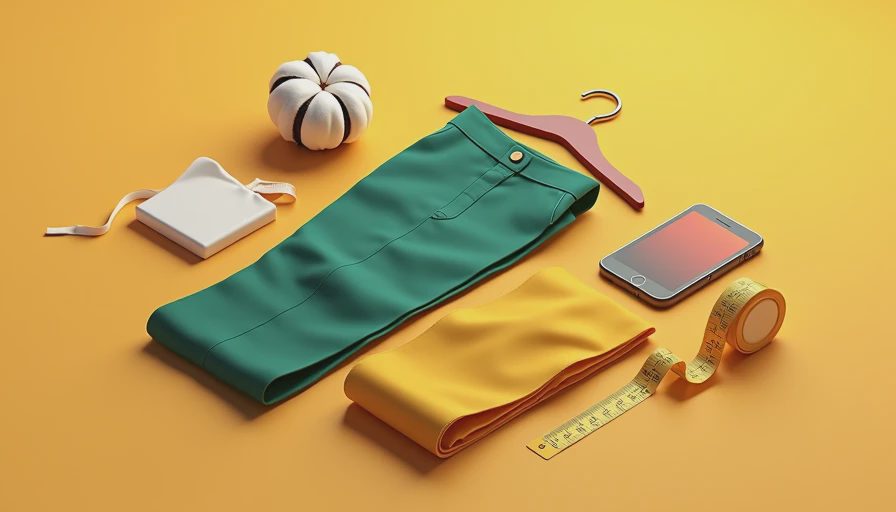
Look at retailers such as J.Crew Factory, Dockers, Bonobos, Lands' End, or department-store house brands as starting points, not as status signals. Different brands use different cuts, so try sitting, walking, and reaching before removing the tags. Online shoppers should measure a pair they already like and compare the listed rise, thigh, inseam, and leg opening.
A five-minute buying checklist
Take these steps into the fitting room. First, button the pants and sit for a full minute. Second, walk normally and climb a step to test the thigh and seat. Third, check that the front pockets lie flat. Fourth, try your usual belt and shoes. Fifth, look at the hem from the side and arrange alterations before wearing the pants to work.
Cotton dress slacks are worth buying when they solve a real closet problem: too casual for jeans, too relaxed for a suit, and comfortable enough for a full day. Start with charcoal or navy, choose a medium-weight fabric, and spend a little on the hem if needed. Three years from now, the pair that still fits, still matches your shirts, and still feels good in the car will be the purchase you remember. That is dressed on purpose.

No notes yet — write the first.