Tuesday, 7:14 a.m., Molly cannot find her lunchbox, Wyatt needs a permission slip signed, and I am staring at my closet with six minutes to spare. On mornings like that, mens cotton dress pants are about as useful as anything I own. They look more put together than jeans, feel easier than wool trousers, and do not require a fashion degree to wear correctly.
I started paying attention to cotton pants after my boss told me I needed to look more client-ready. I did not need a closet full of expensive clothes. I needed a few dependable pairs that could handle a conference room, a school pickup, and a quick dinner without looking tired by lunchtime. Three years of tracking purchases and wears has given me a simple system.
Why cotton pants earn a place in a working closet
The useful thing about mens cotton dress pants is their range. A pair in navy or charcoal can work with a white oxford shirt and leather shoes on Monday, then look relaxed with a knit polo and clean sneakers on Friday. Cotton also handles ordinary life better than delicate fabrics. A small coffee spill is less dramatic, and many pairs can go through a normal wash cycle if the care label allows it.
That does not mean every cotton trouser is automatically comfortable or polished. Thin, shiny fabric can look closer to uniform pants than office clothing. Very stretchy material can lose its shape around the knees. I look for a cotton blend with enough structure to hold a crease and enough give to let me sit through a two-hour meeting. A little elastane is useful; a waistband that feels like workout gear is usually not.
Price is another practical advantage. In my closet log, solid pairs commonly land between $35 and $90. At $60 and 80 wears, the cost is 75 cents per wear. That is better value than buying a $150 pair that stays in the closet because it feels too formal or too fussy.
Start with fit, not the label
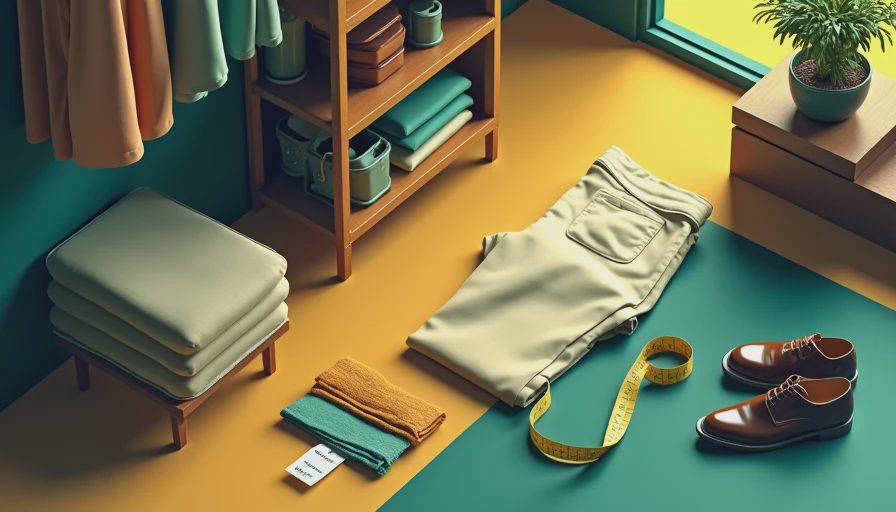
When I say fit, I mean three things: the waistband sits comfortably, the seat does not pull, and the leg falls cleanly from hip to ankle. You should be able to pinch roughly an inch of fabric at the thigh without the pants looking baggy. If the pockets flare open when you stand, the cut is probably too tight, regardless of what the tag says.
Mens cotton dress pants should usually have a slight break at the shoe. That means the front of the pant touches the top of your shoe with a small fold, rather than stacking in several wrinkles. A no-break hem can look sharp, but it is less forgiving and often feels too fashion-forward for a regular office. For most men in their thirties, forties, and fifties, a modest break is the safe middle ground.
Rise matters too. The rise is the distance from the waistband to the crotch. A low rise can feel uncomfortable when you sit and can make your shirt come untucked. A mid-rise pair generally works better with a normal office shirt because it stays where it belongs when you reach for a file, buckle a child into a car seat, or walk across a parking lot.
Choosing fabric for real weather and real schedules
Cotton comes in several weights, and that affects when you will wear it. Lightweight cotton is comfortable in a warm office but can wrinkle quickly and show pocket outlines. Midweight twill is my usual choice because it hangs better, resists minor abuse, and works through spring, fall, and air-conditioned summer buildings. Corduroy and brushed cotton are useful for colder months, though they read more casual than standard dress pants.
Look at the fabric under ordinary light. If the surface has a noticeable shine, it can make the pants seem cheaper than they are. A matte finish usually looks more grown-up. Check the inside seams as well. Clean stitching and a secure waistband matter more than a fancy logo. Brands such as Dockers, Banana Republic Factory, Uniqlo, and J.Crew Factory often offer different cuts and fabric weights, but the specific garment still deserves inspection. A familiar name cannot fix a poor fit.
Before buying mens cotton dress pants, sit down for a minute. Reach forward, cross one ankle over the other, and walk a few steps. If the waistband digs in at the desk or the knees feel tight in motion, you will stop wearing them no matter how good they look in a mirror.
Colors that make mornings easier
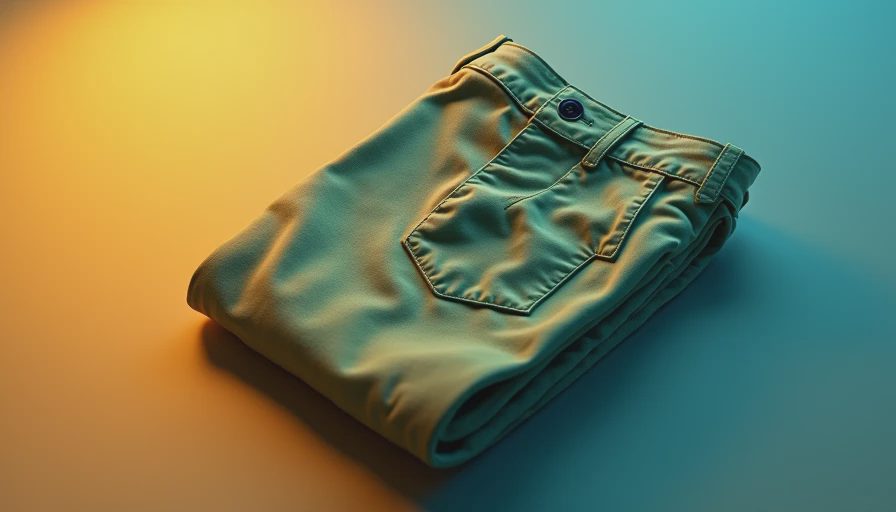
My first recommendation is navy, followed by charcoal or medium gray. Navy works with white, blue, pale pink, and patterned shirts. Gray works with nearly everything and is especially useful when you own brown and black shoes. Khaki is practical, but a very light khaki can look more like weekend chinos than office trousers. Olive, tan, and subtle brown are fine additions once the basics are covered.
Avoid building a closet around several nearly identical shades of black. Black pants can look severe with a standard business shirt, and they often show lint. If your workplace is conservative, charcoal gives you the same easy coordination while looking less like a uniform. A small pattern, such as a muted check, can be useful later, but solids will earn more wears.
How to build three dependable outfits
A navy pair of mens cotton dress pants can carry the most work. Try it with a white button-down, dark brown belt, and brown derby shoes for a client meeting. On a casual office day, replace the dress shirt with a blue oxford and the derbies with clean leather sneakers. Add a gray quarter-zip when the conference room is cold.
With gray pants, try a pale blue shirt and dark brown shoes, or a striped shirt with burgundy or navy accents. Khaki works with a navy polo, a chambray shirt, or a simple merino sweater. The basic rule is easy: if the pants are light, choose a shirt with some contrast. If both pieces are pale, the outfit can look washed out.
Mens cotton dress pants also benefit from small maintenance habits. Empty the pockets before washing, close the zipper, and hang the pants immediately after the dryer or line drying. If the label says dry clean, follow it; repeated home washing can distort the waistband or fade the color. Press the front crease when needed, but do not iron a shiny mark into the fabric.
A simple buying checklist
Before paying, check the waist, seat, thigh, hem, fabric weight, and care instructions. Try the pants with the shoes you actually wear, not the shoes provided in a fitting room. Make sure the pockets lie flat and the belt loops line up with your belt. If the waist fits but the legs are too long, hemming is usually a modest alteration, often around $15 to $25 at a local tailor. That small expense can turn an almost-right pair into the pair you reach for every week.
I would rather own three pairs that fit than six pairs bought on sale. My current rotation is navy, charcoal, and a medium khaki, with each pair getting regular weekday use. That arrangement covers meetings, travel, casual Fridays, and family events without turning the closet into a decision tree.
The takeaway is simple: buy mens cotton dress pants for the life you actually live. Choose a comfortable mid-rise, a matte midweight fabric, and colors that connect with your existing shirts and shoes. Do that, and getting dressed becomes one less problem before the kids lose another lunchbox. That is dressed on purpose.

No notes yet — write the first.