Tuesday morning, 7:14, Molly cannot find her lunchbox, Wyatt needs a ride to school, and I have six minutes to get dressed. This is where a cotton henley earns its keep. It looks more intentional than a basic T-shirt, but it does not require the ironing, collar adjusting, or mental energy of a dress shirt. For a busy guy, that is a pretty good deal.
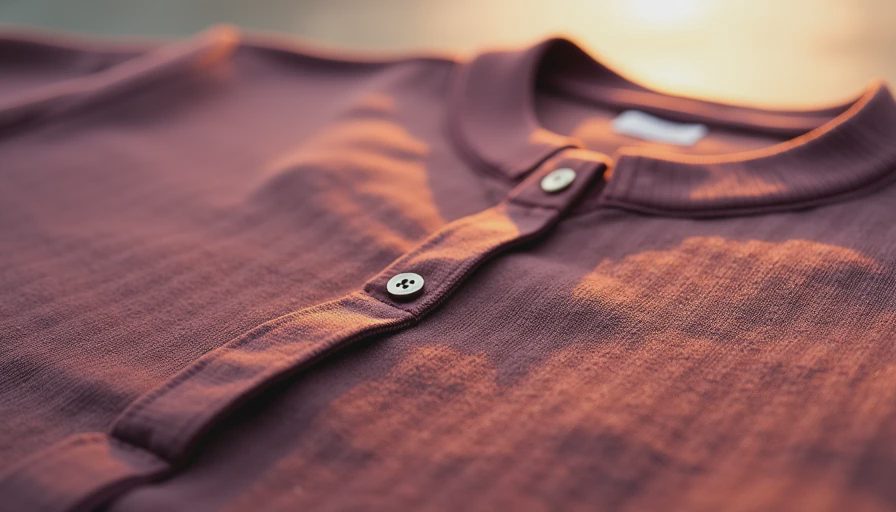
A cotton henley is a knit shirt with a short button placket at the neck. Think of it as the useful middle ground between a crew-neck tee and a casual polo. The best versions are comfortable enough for a Saturday bike ride, clean enough for a casual office, and sturdy enough to survive repeated trips through the washer.
Why a Cotton Henley Works So Well
The appeal is mostly practical. A plain T-shirt can look unfinished once you are past your twenties, especially when it is thin, stretched at the neck, or paired with similarly casual shorts and sneakers. A cotton henley adds just enough structure around the face to make the outfit look planned. The buttons give your eye somewhere to land, while the knit fabric keeps the shirt relaxed.
That small change matters when you are dressing quickly. I have worn a cotton henley under a lightweight jacket for client meetings, then taken the jacket off for dinner without looking like I changed into weekend clothes. It also works under a flannel shirt, denim jacket, or unlined chore coat when the temperature is moving around during the day.
The key is not to treat it like a magical replacement for every shirt in your closet. It is casual clothing. A cotton henley belongs at a backyard cookout, school pickup, a brewery patio, or a relaxed Friday office. It is not the shirt I would choose for a formal presentation or a wedding.

Choosing the Right Fabric and Weight
Most cotton henley shirts fall into three useful categories: lightweight jersey, midweight jersey, and textured waffle or thermal knit. Lightweight fabric feels closest to a T-shirt and works well in summer, but it can show every bump and wrinkle if the cut is too close. Midweight cotton is the safest starting point because it holds its shape and works across more seasons.
Waffle and thermal versions bring more texture and warmth. I like them with jeans in October, but they can feel too hot indoors or under a sweater. If you live somewhere with humid summers, start with smooth, breathable cotton. If you deal with cold mornings and heated offices, a midweight or thermal option gives you more flexibility.
Pay attention to fabric weight, not just the fiber label. One cotton henley can feel soft and substantial, while another feels thin after three washes. A shirt priced around $25 to $45 can be perfectly serviceable, but the stitching and recovery at the neck matter more than the logo. Stretch the collar gently and see whether it returns to shape. If it already looks tired on the rack, it will not improve in your closet.
Getting the Fit Right Without Overthinking It
The shoulder seam should sit close to the end of your shoulder, not halfway down your upper arm. The sleeves should follow your arms without clinging to your biceps. For most men in their thirties, forties, and fifties, a cotton henley looks best when it skims the torso rather than hugs it.
The hem should land around the middle of your zipper or slightly below it. Too short, and the shirt rides up when you sit down. Too long, and it starts looking like sleepwear. I usually leave a cotton henley untucked. If you tuck it, choose a thinner fabric and make sure the shirt is not bunching around your belt.
The placket deserves a quick inspection. Three buttons are common, while four or five create a slightly more rugged look. You do not need to leave every button open. One button undone is a safe default; two can work when you are outside or layering over a T-shirt. Buttoning the top one is fine if the neckline lies flat and does not pull.
Colors That Will Actually Get Worn
Start with colors already represented in your closet. Navy, charcoal, olive, cream, and heather gray are easy to combine with dark denim, khaki pants, and casual chinos. A white cotton henley can look sharp, but it requires more attention to stains and undershirt visibility. I would not make it your first purchase if you are still building a practical wardrobe.
My cost-per-wear spreadsheet is not exciting dinner conversation, but it has taught me something useful: the shirts I reach for most are rarely the most interesting ones. A navy cotton henley bought for about $35 and worn twice a month can become a dependable part of the rotation. A rust-colored shirt that only works with one pair of pants may look better on the hanger and perform worse in real life.
How to Build an Outfit Around It
For an easy weekend outfit, try a medium blue cotton henley with dark jeans and clean leather sneakers. The contrast keeps the combination from looking like a uniform. In cooler weather, add a waxed jacket, denim jacket, or casual overshirt. Brown boots can replace the sneakers without making the outfit feel dressed up.
For a more polished office-casual option, wear a cotton henley under a navy blazer only if the shirt is smooth, solid-colored, and well fitted. Pair it with chinos rather than distressed jeans. This is a narrow lane, so look in the mirror before leaving. If the blazer feels too formal next to the shirt, switch to a chore coat or unstructured jacket.
A cotton henley also works with shorts, but proportion matters. Choose shorts that end a few inches above the knee and avoid a shirt that hangs far below the pockets. If both the shirt and shorts are oversized, the outfit can look accidental. One relaxed piece is usually enough.
Care, Shrinkage, and Buying More Than One
Cotton can shrink, especially when washed in hot water and dried on high heat. Follow the care label, but cold washing and low drying temperatures are sensible defaults. Remove the shirt promptly so the placket and hem do not set into deep wrinkles. Hang it on a broad hanger or fold it instead of using a thin wire hanger that can leave shoulder marks.
Before buying three colors, wear one shirt through a normal week. See whether the collar stretches, whether the sleeves twist after washing, and whether you still like the shape after sitting at a desk or driving the kids around. If it passes that test, buying a second cotton henley in navy or charcoal makes sense.
Look at the cost per wear, not just the sale price. A $30 shirt worn twenty times costs $1.50 per wear before laundry. A $70 shirt worn twice is not a bargain because it had better packaging. Price is one data point; repeat use is the number that matters.
The Simple Takeaway
A cotton henley is not a fashion trick. It is a dependable bridge between a T-shirt and a polo, which is exactly why it has stayed useful in my closet. Pick a medium-weight fabric, a relaxed but clean fit, and a color that works with clothes you already own. Then wear it often enough to learn whether it deserves another place on the shelf.
Tomorrow morning, when you have six minutes and a full day ahead, reach for dark jeans, a cotton henley, and clean shoes. Add a jacket if the weather calls for it. That is dressed on purpose: not flashy, not complicated, just one better decision made before breakfast.




No notes yet — write the first.