Tuesday morning, 7:14, Molly cannot find her lunchbox, Wyatt needs a permission slip, and I am staring at a closet full of clothes that do not seem to make an outfit. That is when 1950s guys clothing makes sense to me. The best examples were not about showing off. They were about having a few sturdy pieces that fit properly and worked for the day ahead.
I am not suggesting you dress like you are headed to a soda counter. I am talking about the useful parts of the era: high-quality basics, clean lines, sensible colors, and enough structure to make a man look ready without looking overdressed. You can borrow those ideas for an office, a Saturday hardware-store run, or dinner with your wife.
What made 1950s guys clothing work
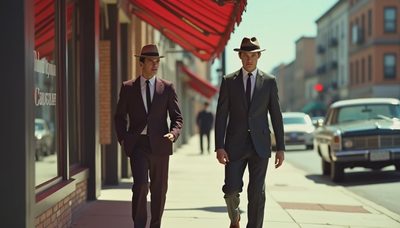
The typical outfit had a clear shape. Trousers sat at the natural waist instead of hanging low on the hips. Shirts had enough room to move but were not baggy. Jackets and overshirts gave the shoulders some definition. Nothing needed a giant logo to announce its price.
That balance is useful for men in their 30s, 40s, and 50s because it avoids two common problems. Very slim modern clothes can make a grown man look squeezed into his son's wardrobe, while oversized clothes can make him look as if he borrowed a coat from a larger neighbor. The older approach generally aimed for ease without excess.
Start with color. Navy, tan, cream, olive, gray, faded blue, and brown are easy to combine. A cream knit shirt with olive chinos looks intentional. A blue oxford shirt with gray trousers looks appropriate for a casual office. You do not need six patterns competing for attention before breakfast.
In my closet spreadsheet, the pieces that get worn most are the least exciting individually. A pair of tan chinos is not a thrilling purchase. At 40 wears, though, a $60 pair has already reached $1.50 per wear. That is more useful than chasing a dramatic jacket you wear twice.
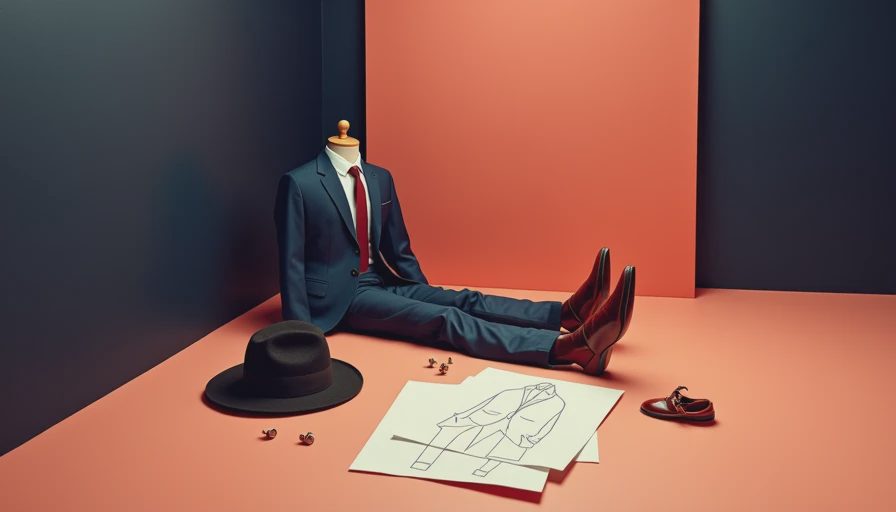
The essential pieces to buy first
If you are building from scratch, begin with trousers. Look for straight or gently tapered chinos in tan, olive, or navy. A medium-rise waist usually creates a cleaner line than an extremely low rise, especially when you tuck in a shirt. For denim, choose a dark or medium wash with minimal distressing. A pair in the $50 to $100 range can serve you for years if the fit is right.
Next, add two button-down shirts. Oxford cloth is a good starting point because it has visible texture and does not look flimsy. White, pale blue, and muted checks are dependable. A camp-collar shirt can bring in the relaxed side of 1950s guys clothing, but keep the print restrained. One small geometric pattern is plenty.
A knit polo is another practical choice. It fills the space between a T-shirt and a dress shirt, which is exactly where many real-life occasions land. Try cotton or a cotton blend in rust, forest green, navy, or cream. The sleeves should end around the middle of the upper arm, and the hem should not fall halfway down your thighs.
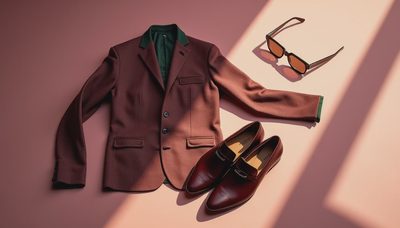
For layers, consider a chore coat, Harrington-style jacket, cardigan, or plain overshirt. You do not need all four. I use a navy cotton chore coat for errands and a brown lightweight jacket when I want something that looks a little sharper. Choose the layer that fits your actual week, not the version that looks best in a catalog.
How to fit 1950s guys clothing today
Fit is where historical inspiration either becomes useful or turns into a costume. A jacket should sit flat across your shoulders without pulling when you reach for a steering wheel. The sleeve should show a small amount of shirt cuff, but not several inches. If the jacket creates a divot near the collar, try a different size or cut.
Trousers should close comfortably without needing you to hold your breath. One clean break at the shoe is a reliable starting point; that means the fabric makes a small fold where it meets the upper. If you prefer a shorter hem, keep it modest. Cropped trousers and loud socks can push an otherwise normal outfit into costume territory quickly.
Shirts deserve the same practical check. Raise both arms, sit down, and look at the back. If the shirt pulls across your stomach or comes untucked immediately, it is not a good fit for your daily life. A tailor can usually adjust sleeve length and trouser hems for $15 to $35, which is often better value than replacing a nearly good garment.
The goal of 1950s guys clothing is not to make you look frozen in a photograph. It is to give your clothes enough shape that you look put together while still being able to load groceries, sit through a meeting, and help a child find a missing lunchbox.
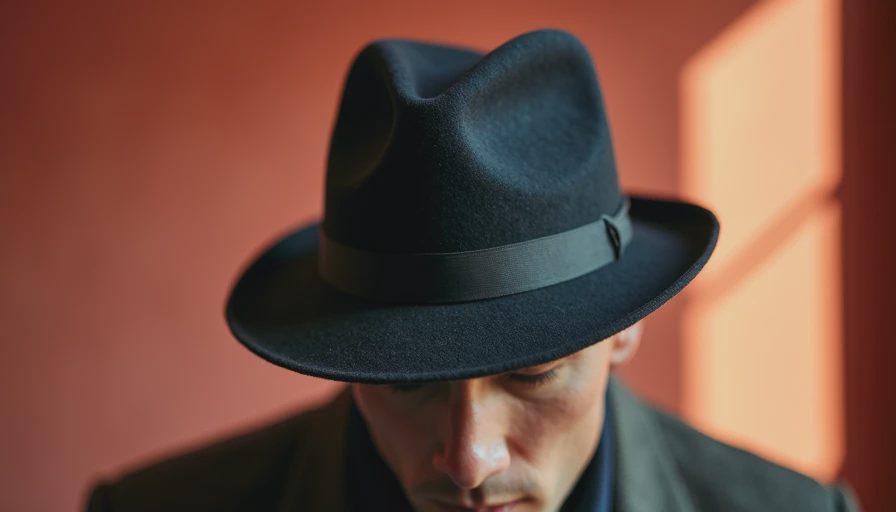
Outfit formulas that work in real life
For a casual office, try navy chinos, a pale blue oxford shirt, brown leather shoes, and a simple gray cardigan. The colors are quiet, but the combination has enough contrast to look deliberate. If your workplace is more relaxed, swap the cardigan for a textured overshirt and wear clean leather sneakers.
For a weekend, wear straight-leg jeans, a cream knit polo, and a navy chore coat. The polo keeps the outfit from looking like the same jeans-and-T-shirt combination you have worn every Saturday since 2008. A canvas belt and plain watch finish it without shouting for attention.
For a date night, start with charcoal trousers and a tucked-in camp-collar shirt under a lightweight jacket. Dark brown loafers or simple lace-up shoes will carry the outfit better than novelty footwear. If the shirt has a pattern, keep the jacket solid. That one-to-one rule prevents visual clutter.
This is where 1950s guys clothing becomes especially helpful: you can memorize a few formulas and stop making the morning closet decision harder than it needs to be. I keep three combinations on a note in my phone for busy weeks. None is fashionable in the loud sense. All three have saved me from wearing a wrinkled golf shirt to an important meeting.
What to avoid when borrowing the era
The biggest mistake is buying a complete costume. A knit tie, sharply rolled jeans, engineer boots, pompadour haircut, and bowling shirt can each be fine individually. Put them together, and people notice the theme before they notice you. Use one or two historical references, then let the rest of the outfit stay current.
Be careful with exaggerated trousers, too. Extremely wide legs, dramatic cuffs, or high-waisted pants can work for someone who knows exactly what he wants, but they are not the easiest starting point. A moderate rise and straight leg will look more natural with modern shirts and shoes.
Avoid treating old clothing as automatically better. Some vintage materials are excellent, but sizing, stains, repairs, and brittle elastic can turn a bargain into a project. New pieces inspired by 1950s guys clothing often give you the same visual language with easier care and more consistent measurements.
Finally, do not confuse dressing simply with dressing carelessly. Iron the collar, brush the shoes, remove loose threads, and make sure the belt matches the general color of your footwear. Those small maintenance jobs often do more than spending another $100.
A simple shopping plan
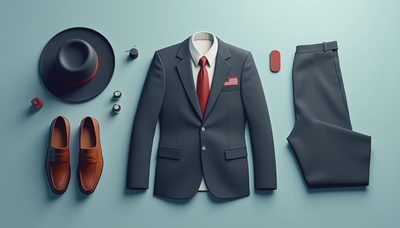
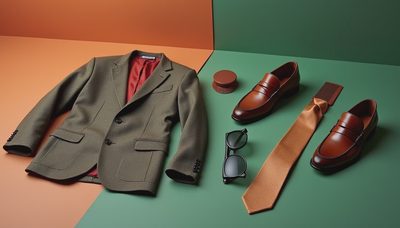
Buy in this order: one pair of dark jeans, one pair of tan chinos, two button-down shirts, one knit polo, one casual jacket, and one pair of brown shoes. Wear each item at least three times before adding anything else. Write down what worked, what felt uncomfortable, and what stayed on the hanger.
If the same gap appears twice, fill that gap. Maybe you need a lightweight layer for air-conditioned offices. Maybe your shoes hurt after an hour, which means comfort matters more than another shirt. My spreadsheet shows that the best purchases solve repeated problems, while impulse purchases usually become expensive closet decoration.
The useful lesson from 1950s guys clothing is straightforward: buy fewer pieces, choose forgiving colors, pay attention to fit, and dress for the life you actually lead. Tomorrow morning, start with chinos, a textured shirt, and one clean layer. That is enough to look dressed on purpose without making a production out of it.

No notes yet — write the first.