Tuesday morning, 7:14, Molly cannot find her lunchbox, Wyatt needs a permission slip, and I am looking at a closet full of perfectly serviceable clothes that do not quite work together. That is when I start thinking about 60's clothing style. Not the costume-party version with giant collars and shiny boots, but the useful parts: clean lines, sturdy fabrics, better color, and clothes that look intentional without requiring a fashion degree.
For a man in his 30s, 40s, or 50s, 60's clothing style is less about copying a musician or movie character and more about borrowing a few dependable ideas. The decade gave men simple combinations that still make sense for an office, a weekend barbecue, or dinner with your wife. You can build the look slowly, spend ordinary retail money, and still look like yourself.
What 60's clothing style actually means
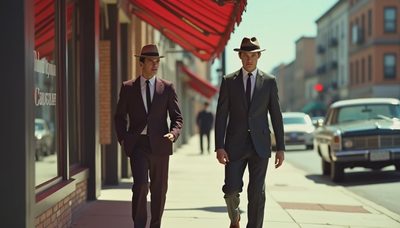
The 1960s covered a lot of ground. Early in the decade, men wore tailored trousers, narrow ties, button-down shirts, sport coats, and polished leather shoes. Later, the look became more relaxed, with knit shirts, denim, corduroy, suede, and stronger colors. The common thread was shape. Jackets were neat through the shoulders, pants were usually straight or modestly tapered, and shirts were worn close enough to look clean without becoming restrictive.
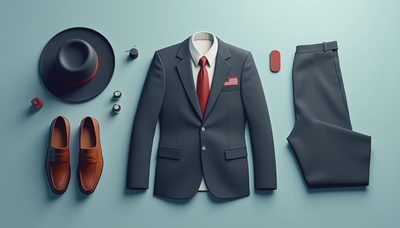
That shape is the part worth keeping. You do not need a skinny suit, a velvet jacket, or a loud paisley shirt. A navy two-button blazer, gray trousers, a pale blue oxford shirt, and brown loafers will get you much closer to useful 60's clothing style than a stack of novelty pieces.
When I started tracking my clothes in 2023, I found that the pieces I wore most often were not the exciting purchases. They were the simple items that worked with four or five other things. That is the practical lesson here: build combinations, not costumes.
Start with the right shirts and jackets
A good starting point is a cotton oxford shirt in white, light blue, or soft gray. Look for a collar that stands on its own and a fit that leaves room across your chest without ballooning around your waist. A knit polo is another useful choice. Choose a solid color such as cream, navy, olive, rust, or muted yellow, and avoid oversized logos.
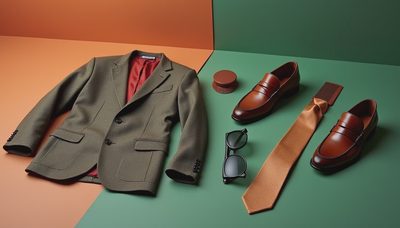
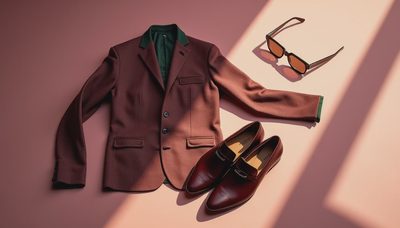
The 60's clothing style version of a jacket is usually shorter and cleaner than today's very relaxed overshirt. A navy blazer, brown tweed sport coat, or lightweight Harrington-style jacket gives your outfit structure. Brands such as J.Crew, Lands' End, Uniqlo, and vintage shops often have reasonable options, but the label matters less than the shoulder fit and fabric. A $90 jacket that fits correctly will serve you better than a $300 jacket that makes you look like you borrowed it.
Try this easy combination: pale blue oxford, dark brown cardigan, charcoal trousers, and leather loafers. It works for a casual office and does not look like you are headed to a theme party.
Pants, denim, and proportion
Pants are where many retro-inspired outfits go off the rails. The right 60's clothing style silhouette is neither painted onto your legs nor hanging like curtains. Aim for a mid-rise waist, a straight or gentle taper, and enough room to sit comfortably in a car. A small break at the shoe is usually easier to wear than a dramatically cropped hem.
Start with charcoal wool-blend trousers, khaki chinos, and dark straight-leg denim. Those three pairs cover most of real life. Corduroy can add the decade's texture, especially in tobacco brown, forest green, or navy. If you work in an office, gray flannel trousers with a knit polo are a strong Friday combination. If you work from home or spend the day driving children around Kansas City, dark denim with a tucked-in oxford may be all the retro influence you need.
Pay attention to proportion in plain English: does the jacket look like it belongs on your body, or does it look borrowed from your younger brother? If your pants are fuller, keep the shirt and jacket reasonably neat. If the jacket is boxier, avoid extremely narrow pants.
Shoes and small details that do the work
Shoes determine whether 60's clothing style looks grown-up or like a Halloween rental. Brown penny loafers, suede desert boots, plain leather derbies, and clean white canvas sneakers all fit the period's practical spirit. Black shoes work too, especially with charcoal trousers, but brown is more forgiving with navy, olive, denim, and tan.
You can add character with a simple leather belt, a watch on a plain strap, or a textured tie. A knit tie is easier to wear than a very shiny silk tie and looks good with an oxford shirt and sport coat. Pocket squares are optional. I own a few, but I do not reach for one when I am already trying to get Wyatt out the door for school.
For outerwear, consider a rain-resistant trench coat, a wool topcoat, or a simple field jacket. Skip the pile of accessories. One clear detail is usually better than five competing ones. A rust-colored polo already makes a point; it does not need a patterned scarf and bright sunglasses joining the argument.
Color without turning the closet into a circus
The best 60's clothing style color palette is grounded by neutrals. Navy, gray, cream, brown, olive, and denim give you a base that can handle stronger accents. Add mustard, burnt orange, burgundy, or muted teal one piece at a time.
A useful rule from my closet spreadsheet is three colors per outfit, counting denim as a color. Navy trousers, a cream polo, and brown shoes are easy. Olive chinos, a white shirt, and a rust cardigan are more noticeable but still calm. If you wear a patterned shirt, keep the pants and jacket quiet.
Color also changes with the setting. A mustard knit polo may be fine for Saturday breakfast and errands, while a pale blue shirt is safer for a client meeting. The point is not to make every outfit memorable. It is to make getting dressed predictable enough that you can focus on work, family, and the brisket in the smoker.
Build a modern wardrobe from the decade
You do not need to replace your closet in one weekend. Start by removing clothes that fit poorly, then identify what is missing. If you already own dark jeans and white sneakers, buy a textured shirt before buying another pair of pants. If every shirt is blue, add cream or olive rather than another shade of blue.
For a first pass at 60's clothing style, I would choose one navy blazer, two oxford shirts, one knit polo, gray trousers, dark denim, brown loafers, and a simple jacket. At discount retailers, that could total roughly $300 to $700 depending on fabric and tailoring. Spending $20 to $60 on alterations can improve the result more than upgrading a shirt from a basic label to a premium one.
A tailor can shorten sleeves, adjust a trouser hem, or bring in a jacket waist. Shoulder alterations are harder and often expensive, so buy jackets that fit there first. Take a phone photo from the front and side before deciding. The mirror can be generous; a photograph shows whether the proportions actually make sense.
Three outfits you can wear tomorrow
For work, try gray trousers, a white oxford, a navy blazer, and brown derbies. This is the safest version of 60's clothing style because every item works in a conventional office and none of it screams retro.
For a casual dinner, wear dark straight-leg jeans, a cream knit polo, a brown suede jacket, and loafers. The texture gives the outfit interest while the simple colors keep it from looking theatrical.
For a weekend, use olive chinos, a striped tee, a navy field jacket, and clean canvas sneakers. The stripes provide a little period character, but the outfit still works for a bike ride, hardware-store run, or backyard cooking.
My cost-per-wear notes show why this approach works. A $45 shirt worn twice a month for two years costs less than a $150 statement jacket worn twice because it is hard to match. Before purchasing, ask whether you can name at least three outfits using the item. If you cannot, leave it on the rack.
60's clothing style is useful when it helps you dress with less noise, not when it turns your morning into a performance. Borrow the decade's cleaner fit, durable fabrics, and willingness to use color. Then make the clothes fit your actual life. That is the goal I keep coming back to: dressed on purpose, with enough room left in the day to find the lunchbox.

No notes yet — write the first.