Tuesday, 7:14 AM, and I’m standing in front of the closet while Molly is yelling that she can’t find her science notebook. That is usually when the day decides whether I look like I planned ahead or got dressed in the dark. Business casual is one of those phrases that sounds simple until you have to turn it into something that works with a commute, a coffee spill, and a meeting that starts at 8:00. The trick is not chasing some perfect office uniform. It is building a small stack of clothes that look clean, fit right, and can handle a real week.
What business casual looks like when the fit is right
When I first cleaned up my closet, I learned that business casual is less about a dress code chart and more about whether your shirt, pants, and shoes look like they belong together. If the shoulders are drooping, the sleeves are swallowing your hands, or the pants are pooling over your shoes, the whole outfit gets cheaper-looking fast. A decent shirt in the $40 to $90 range can look better than a fancier one if the fit is right.
Start with the shoulder seam. If it hangs off your shoulder, the shirt probably does not belong in your office rotation. Same with pants. You do not need painted-on slim, but you also do not want billowy khakis from the early 2000s. A straight or modern taper usually works best for most guys because it follows your leg without turning your calves into a cautionary tale.
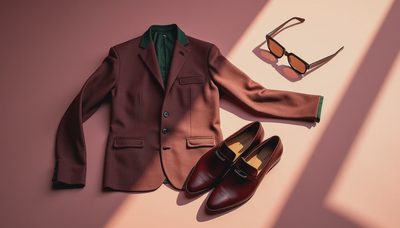
Fabric matters more than people think. Cotton oxford cloth, brushed twill, merino, and a little stretch can make life easier. I have a soft spot for shirts that hold their shape after a long day in a client office and do not look wrinkled before lunch. If you work somewhere with more polished expectations, a casual blazer in navy or charcoal can pull the whole thing together without making you feel like you are headed to a wedding.
The easiest way to think about business casual is this: clean, fitted, and intentional. If the pieces look like they were chosen on purpose, you are already ahead of half the parking lot.
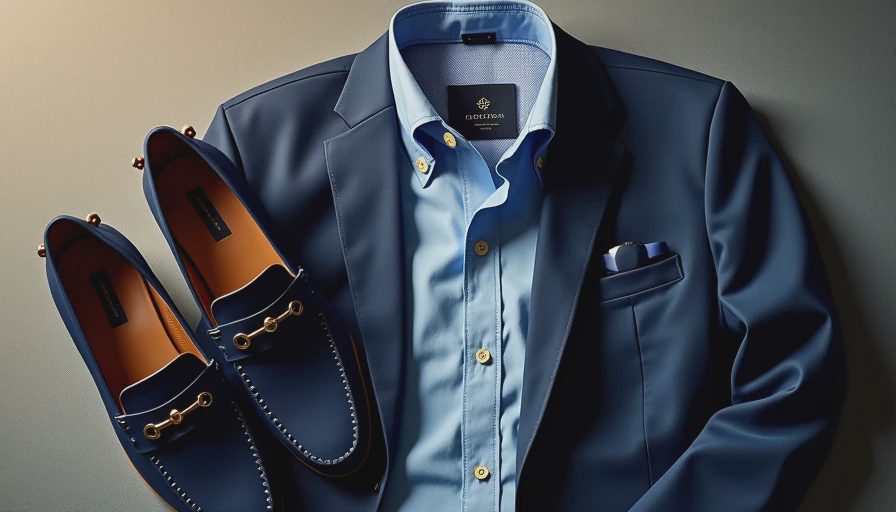
Business casual in the real world
Shoes are where a lot of guys give the outfit away. Sneakers can work in some offices, but they need to look like a choice, not the pair you wore to mow the yard. Leather loafers, derby shoes, Chelsea boots, or simple suede chukkas usually do the heavy lifting better. If your belt and shoes are in the same color family, the outfit starts looking finished without much effort.
In business casual, a dark brown belt and shoes that match are doing more work than most guys realize. I used to treat belts like afterthoughts, and the result was obvious: nice shirt, decent pants, random black belt with brown shoes. That kind of mismatch does not look rebellious. It just looks rushed.
For pants, chinos are still the workhorse. Dockers, Gap, J.Crew Factory, and similar brands all make versions that can do the job if the cut is right. I like navy, medium gray, olive, and tan because they mix with more shirts than you think. Dark jeans can work too, but only if they are clean, dark, and not distressed. The minute you start fading, whiskering, or shredding them, you are leaving the office lane.
If you want an easy formula, build around one of these: navy chinos with a light blue oxford and brown loafers, gray trousers with a white shirt and navy blazer, or dark denim with a knit polo and suede shoes. None of that is flashy. That is the point. It is the kind of outfit that says you know where you are going without yelling about it.
Season matters, too. In summer, a breathable shirt and lighter pants keep you from looking wilted by 2:00. In winter, wool trousers and a heavier overshirt or sweater make the same office formula feel seasonally right. The clothes should work with the weather, not fight it.
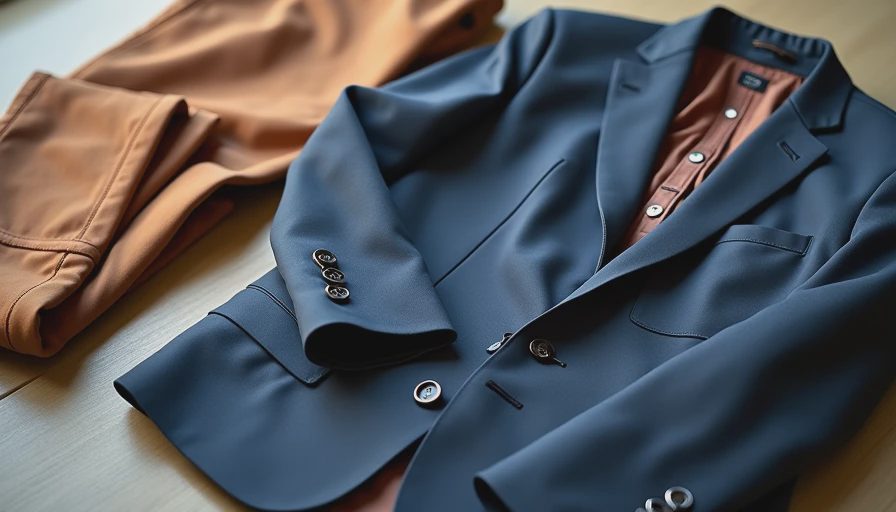
The easiest way to build a rotation that lasts
A good office closet does not need 30 options. It needs a small rotation you can trust on a Monday morning. I would start with three shirts, two pairs of pants, one casual blazer, and two pairs of shoes. That gives you enough combinations to get through a week without repeating the same look every day. If you keep the colors grounded, everything starts talking to everything else.
This is where guys usually overcomplicate it. They buy one shirt they love, then panic-buy three more things that do not match. A better approach is to choose a lane and stay there. If your shirts are mostly white, blue, and light gray, your pants should be navy, gray, tan, or olive. If your shoes are brown, your belt should be brown. You do not need a style degree to make that work.
The other mistake is dressing for a version of yourself that does not exist. If you never wear a tie, do not start building around ties. If your office is pretty relaxed, you do not need to turn into a guy who wears a pocket square to answer emails. You just need clothes that fit, stay in shape, and make it easy to walk into a meeting without thinking about your sleeves or your hemline.
If you want the short version, here it is: buy fewer things, make them fit better, and wear the same reliable formulas until they stop working. That is how you get dressed on purpose without turning your morning into a project.
The best sign that you have it figured out is simple. You look in the mirror, grab your keys, and stop thinking about your clothes. That is the goal. Not trendy, not fancy, just steady enough that your shirt is not the loudest thing in the room.

No notes yet — write the first.