Tuesday morning, 7:14 AM, Molly cannot find her lunchbox, Wyatt needs a permission slip, and I am staring at my closet with six minutes to spare. That is exactly when business formal needs to be simple. You should be able to get dressed without conducting a trial involving three jackets and a pair of shoes you have not worn since 2019.
For most American men, business formal means a dark suit, a conservative shirt, a restrained tie, and polished leather shoes. It is not a costume, and it does not require a designer label. The goal is to look prepared, competent, and appropriately dressed for the room. I learned that after my boss told me I needed to look the part in client meetings. My solution was a closet spreadsheet, not a shopping spree.
What business formal actually means
Business formal is the more traditional end of office clothing. Think navy or charcoal suit, white or light blue dress shirt, a tie, dark leather belt, and dress shoes. In some workplaces, a subtle pattern is fine. In others, especially law, finance, consulting, and formal client presentations, the safest choice is still the plain version.
The suit should fit your shoulders first. If the seam sits halfway down your upper arm, the jacket is too large. If you cannot button it comfortably while standing, it is too small. Trouser length should allow a small break over the shoe, rather than pooling around your ankle. These details matter more than whether the label inside says something impressive.
Business formal does not mean wearing every serious-looking item you own at once. A black shirt, shiny square-toe shoe, loud tie, and oversized watch can make an outfit look like a character costume. One clean suit, one good shirt, and one quiet tie will take you farther.
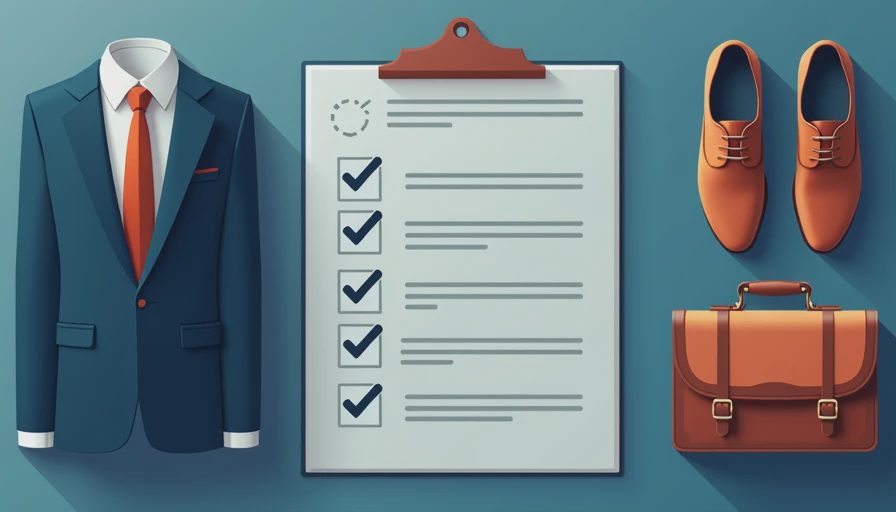
Build a reliable business formal uniform
I recommend starting with a navy suit because it works for interviews, presentations, weddings, and regular office meetings. Add a charcoal suit when you can. Charcoal looks a little more conservative and gives you a second option when your navy jacket is at the cleaners.
For shirts, buy two white and two light blue dress shirts with a collar that stands neatly under your jacket. A spread collar works for most men, while a point collar can look tidy on a narrower face. You do not need a closet full of colors. Four dependable shirts are more useful than ten shirts that only work with one tie.
Ties should sit between about 2.5 and 3.25 inches at their widest point for a balanced look on most modern suits. Navy, burgundy, gray, and muted stripes are easy starting points. The tie tip should reach your belt buckle, not your stomach or the top of your waistband. That small measurement fixes a surprising number of office outfits.
For shoes, begin with dark brown or black leather oxfords or derbies. Black is the more formal choice; dark brown gives you a little more flexibility with navy. A pair around $100 to $200 can serve you well if you condition the leather, rotate wear, and replace worn soles when practical. My spreadsheet shows that a $160 pair worn 80 times is cheaper per wear than a $55 pair abandoned after six uncomfortable days.
Fit beats price every time
A $250 suit that fits reasonably well usually looks better than a $900 suit with sleeves covering your hands. That does not mean expensive clothing is useless. It means alterations are where the value often lives. A tailor can shorten sleeves, adjust trouser length, and make modest corrections to the jacket waist. Shoulder width and overall jacket size are harder and more expensive to change, so get those close before buying.
When trying on a jacket, wear the shirt you expect to use underneath it. Stand naturally, sit down, reach forward, and button the jacket. You should have room to move without fabric pulling into an X around the button. Sleeves should show roughly a quarter to half inch of shirt cuff. If your hands disappear inside the jacket sleeves, you look like you borrowed it from your older brother.
Business formal looks best when the proportions appear intentional. The jacket should not swallow your frame, and the trousers should not look painted on. Comfort is part of the fit because a man constantly tugging at his collar does not look relaxed or prepared.
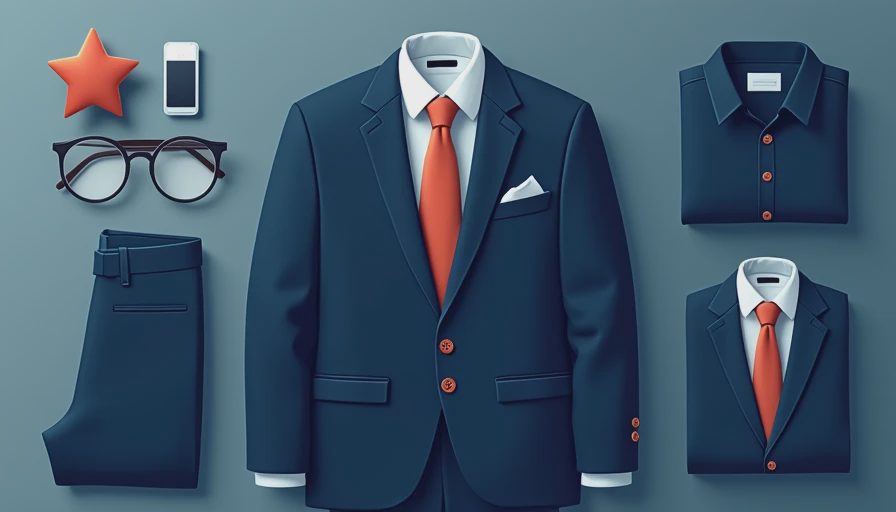
Make the outfit work in real life
The office is not a climate-controlled showroom. In Kansas City, I have walked from a parking garage into a July client meeting feeling like I had been wrapped in a wet towel. Choose breathable wool for the suit when possible, and keep an undershirt available if it helps with sweat and shirt transparency. In winter, use a wool overcoat rather than piling a puffy jacket over your suit.
Keep a small emergency kit in your desk or car: stain remover, a lint roller, spare collar stays, a sewing kit, and a backup tie. A $6 coffee stain stick is cheaper than replacing a white shirt before an important presentation. I also keep a pair of simple black dress socks at work. Mismatched athletic socks are a tiny problem until you sit across from a client.
For travel, pack the suit jacket inside out with the shoulders folded together, then hang it as soon as you arrive. Steam wrinkles rather than ironing directly over the fabric. Let leather shoes rest at least a day between wears if you can, and use cedar shoe trees to help them hold their shape.
Business formal mistakes worth avoiding
The first mistake is wearing a suit that needs cleaning every time you use it. Dry-cleaning too often can be hard on fabric, so air the suit after wearing it and brush away surface dust. Follow the care label, and clean it when it is actually dirty or smells off.
The second is treating the tie as an afterthought. A tie that is too short, too shiny, or covered in novelty graphics can undermine an otherwise good outfit. The third is ignoring the shoes. Scuffed leather, collapsed heels, and dirty soles are visible from across a conference table.
Another common issue is confusing formal with flashy. Business formal is generally quieter than cocktail attire. Skip contrast stitching, oversized logos, extreme lapels, and novelty colors unless your workplace clearly welcomes them. A gray suit with a blue tie and polished shoes will rarely be the most memorable outfit in the room, which is usually the point.
A simple shopping plan
Start by checking what you already own. Put every suit, shirt, tie, and pair of shoes on the bed. Test complete outfits instead of judging individual items. You may discover that the navy suit is fine but the trousers need hemming, or that the white shirt works while the collar has lost its shape.
If you need to buy, set a practical order: navy suit, two white shirts, two light blue shirts, black or dark brown shoes, matching belt, four conservative ties, and several pairs of dark socks. Shop sales at department stores, outlet retailers, and dependable menswear chains, but judge construction and fit rather than the sticker price. A $400 budget can create a workable foundation if you spend it on alterations and the pieces you will wear repeatedly.
Before the next meeting, try the complete business formal outfit at home for ten minutes. Sit, stand, walk, and check the mirror from the side. Remove anything that pinches, shines too much, or needs constant adjustment. Dressed on purpose does not mean dressed expensively. It means you made the decisions before you walked through the door.


No notes yet — write the first.