Tuesday morning in Kansas City, I had six minutes before a client call and exactly one clean shirt hanging in the closet. That is when business professional attire stops being a theory and turns into a decision. If you work in an office, meet clients, or need to look like you can handle a serious conversation without fidgeting, this is the version that keeps things simple: a solid suit, a real dress shirt, a tie when the room expects it, and shoes that look like they were polished on purpose.
For a lot of guys, the problem is not taste. It is confusion. One office says blazer and chinos. Another still wants business professional attire every weekday, no questions asked. The trick is to build a small set of pieces that work together, fit your frame, and do not look like you borrowed them from a cousin's wedding. I learned that the hard way after too many shirts that fit the neck and failed everywhere else.
What business professional attire looks like in real life
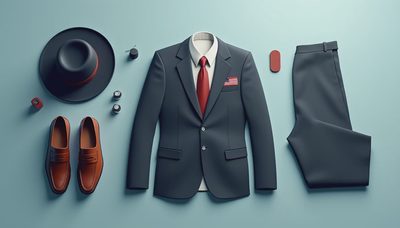
The cleanest version of business professional attire is not complicated. Think navy or charcoal suit, white or light blue shirt, conservative tie, dark leather belt, and shoes that are plain enough to disappear. A two-button suit in a medium-weight wool blend will get more use than the shiny, stiff thing that looks good for one January wedding and nowhere else. If your office leans traditional, this is the baseline. If you are client-facing, it is the safe bet that never looks sloppy.
Fit does the heavy lifting. Jacket shoulders should end where your shoulders end. Sleeves should show a sliver of shirt cuff, not swallow your hands. Pants should break once on the shoe, not pile up like you got dressed in a hurry. None of that requires fashion knowledge. It just means the outfit should look like it belongs to you.

Build a small closet that handles five workdays
If you wear business professional attire more than once a week, you do not need a giant closet. You need a rotation. Two suits will cover most office lives: one navy, one charcoal. Add three shirts in white and light blue, then a couple of ties that are simple, not loud. That gives you enough combination options without turning your closet into a costume rack.
My own spreadsheet rule is cost per wear, because that cuts through wishful thinking. A $300 suit worn 30 times is a better buy than a $150 suit that falls apart after six months. Same goes for shoes. A $180 pair of cap-toe oxfords or plain derbies, resoled when needed, usually beats a cheap pair that creases up and gets replaced every year. If you keep it dry-cleaned only when it needs it, a decent wool suit can last years.
The other thing I learned is that business professional attire works best when you have backups. Keep a second dress shirt at work, one extra tie in your drawer, and a lint roller in the car. That sounds basic until you spill coffee at 7:30 a.m. and suddenly basic feels smart.
Shopping rules that save money and mistakes
Shopping for business professional attire gets easier when you stop chasing labels and start checking a few things the same way every time. First, look at fabric. Wool or wool blend suits breathe better than shiny polyester. Cotton dress shirts are usually more comfortable than the scratchy, high-sheen ones that wrinkle the second you sit down. Second, check construction. A jacket that hangs cleanly in the shoulders and closes without pulling at the button is doing its job. Third, check the collar. If the shirt collar collapses after lunch, the whole outfit looks tired.
I usually tell guys to shop in the middle of the market, not the bottom or the luxury end. Somewhere in the $250 to $600 range for a suit often gets you a better starting point than the cheapest rack, especially if the brand offers alterations. Shirts in the $50 to $100 range tend to fit and wash better than the bargain bin special. Shoes are their own decision, but if you can spend $120 to $250 and keep them polished, that usually gets you something presentable.
What matters most is whether the outfit helps you walk into the room without thinking about your clothes. That is the whole point. business professional attire should make you look prepared, not trendy. If you spend all morning tugging at your sleeves, you bought the wrong size.

The mistakes that make a good suit look cheap
A decent suit can still look rough if the details fight you. Sleeves that are too long make your arms look shorter. Pants that are too long make your shoes disappear. A tie that is too wide or too shiny pulls attention in the wrong way. And if your belt, shoes, and watch all look like they came from three different lives, the outfit feels unfinished.
I see the same fixable problems over and over: shirts with collars too big for the jacket, shiny synthetic fabrics that catch office lighting in a bad way, and shoes that have not been cleaned since the last holiday party. None of that means you need to start over. It usually means one trip to an alterations shop and a Saturday with polish and a lint brush.
If you want the fastest improvement, spend money on fit before you spend money on extras. A $400 suit with clean shoulders and correct sleeve length will beat a $900 suit that needs constant tugging. Same with shirts. If the neck fits but the body billows out like a sail, it is not your shirt.
A simple way to build your next outfit
The easiest formula I have found is this: suit first, shirt second, tie third, shoes last. Pick the suit color based on the room you work in. Choose the shirt that gives the cleanest contrast. Match the tie to the suit, not the other way around. Then finish with shoes that are darker than your belt and free of scuffs. Once you do that a few times, the whole process gets a lot less mysterious.
If your office dress code is loosened up on some days, save the full setup for meetings, presentations, interviews, and any day you need to be taken seriously right away. On lighter days, you can still borrow the same logic. Keep the shirt crisp, the shoes clean, and the fit right. That way, when the calendar suddenly changes, you are already dressed on purpose.


No notes yet — write the first.