Tuesday morning, 7:14 a.m., Molly cannot find her lunchbox and I am standing in front of my closet with six minutes to spare. That is when a business professional outfit either saves the day or makes me look like I got dressed in the dark. If you need to look business professional without turning your life into a menswear hobby, this is the simple version: clean lines, decent fabric, shoes that are actually polished, and one color plan that does not fight itself.
In plain English, business professional is the dress code for meetings where people still notice whether your jacket fits and your collar looks intentional. For most men, that means a suit or at least a suit jacket and matching trousers, a dress shirt, a tie in more formal settings, and closed-toe leather shoes. You do not need four suits. You need one or two that fit, plus the kind of shirt that looks crisp after a drive across town.
The biggest mistake I see is buying clothes that are technically nice but wrong in scale. A jacket that swallows your shoulders or pants that puddle over your shoes makes the whole thing look borrowed. If your arms lift the jacket hem halfway to your ribs, it is too short. If you can pinch two fists of fabric at the waist, it is too big. Tailoring a $250 suit often beats buying a $600 suit off the rack and hoping for magic.
What business professional actually means now
For a lot of office jobs, business professional is less about looking stiff and more about looking deliberate. Think client meeting, court appearance, banking, insurance, accounting, or any day when you want people to focus on your work before they notice your shirt. Navy and charcoal are still the safest suit colors because they play nice with almost everything. Black can work, but it reads more formal and less versatile during the day. A white shirt is the easiest starting point, and pale blue is a close second.
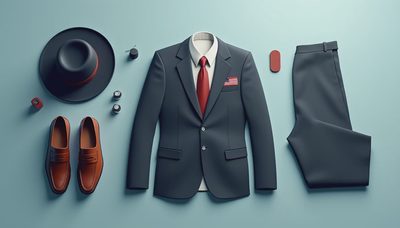
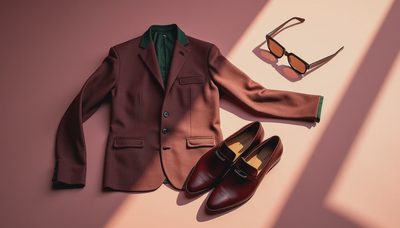
If you are building from scratch, start with a navy suit in wool or a wool blend. It hides travel wrinkles better than a shiny synthetic, and it can handle more wear. Add a white or light blue dress shirt, a conservative tie, a brown or black belt that matches your shoes, and one pair of plain leather oxfords or derbies. That is enough for most people to look ready without looking like they are trying too hard.
A lot of guys get tripped up by collar spread, tie width, and shoe shine because they sound fancier than they are. Here is the plain version: if the shirt collar is too wide, the tie knot looks lonely. If the tie is too skinny, the rest of the outfit starts to look dated. If the shoes are dusty, the whole outfit takes a hit no matter how good the suit is. The fix is boring but reliable: medium-width tie, clean shirt collar, polished leather, and hems that break once at the shoe.
Building a business professional outfit from the closet outward
When I need to be business professional, I build the outfit in this order: shoes first, then pants, then shirt, then jacket, then tie. That keeps me from forcing a brown shoe under a charcoal suit that really wanted black, or throwing a loud tie into a calm outfit. I like the spreadsheet approach because it is honest. If a jacket only works once a quarter, it needs to earn its space. If a shirt gets worn every two weeks, that shirt deserves the money.
The best value usually sits in the middle of the market. You do not need luxury labels, but you also do not want the flimsy stuff that shines under office lights. A decent suit often lands around $250 to $500 on sale, and a good tailor can improve the fit for another $40 to $100. Dress shirts in the $40 to $90 range tend to hold up better than the bargain-bin version that collapses after three washes. Shoes are where I would spend a little more, because a pair in the $120 to $220 range can last years if you rotate them and use shoe trees.
If you wear a tie, keep the pattern simple enough that it does not fight the shirt. A small stripe, a muted dot, or a solid texture works. Keep the belt close to the shoe color, not identical like you are trying to pass a test, just close enough that the outfit looks intentional. And if your office leans a little less formal, the jacket still does the heavy lifting. Take the jacket off only after you are in the room and sure the meeting allows it.
Small upgrades that make a big difference
The quiet upgrades are what make business professional look expensive even when it was not. Pressed trousers matter more than most guys think. A clean crease down the front makes the leg look longer and sharper. Sock length matters too. If you sit down and show a bare calf between pant and sock, the outfit loses some of its polish. Dark socks are the safe play with most suits, and they should be long enough that nobody sees skin unless you want that look on purpose.
Outerwear is another place where men accidentally wreck a good outfit. A puffy gym coat over a suit makes the shoulders look bulky and the whole thing feel rushed. A simple wool topcoat, a mac coat, or even a clean trench does a better job. On cold mornings in Kansas City, I would rather wear one coat that respects the suit than three layers that turn me into a moving blanket. If you commute, keep a lint roller in the car and a spare pair of dress socks in the desk drawer.
One more thing: fit your clothes to the job, not the fantasy. If your real life has daycare drop-off, parking lots, and folding chairs, you need fabrics that can survive it. Wool is still the workhorse, but a little stretch in the shirt or trouser is fine if it does not look shiny. Dressed on purpose does not mean fragile. It means the outfit can handle a Wednesday.

Where guys spend too much, and where they cheap out
The dumbest place to overspend is on the shirt pile. A closet full of crisp white shirts does not matter if the jacket is wrong or the shoes are scuffed. Buy fewer shirts, but buy ones with a collar that stands up after a few hours and a fabric that does not go translucent under office light. The dumbest place to cheap out is on shoes and tailoring. Cheap shoes look tired fast, and bad alterations make even a solid suit look like a bad rental.
I have also learned not to chase the special occasion suit. The suit that only works for weddings and funerals is a bad investment for anyone who wants business professional to be useful. You want one outfit that can handle a presentation, a dinner with a client, and a random Tuesday when the boss calls a last-minute meeting. That usually means a navy suit, a white shirt, and one tie that does not scream for attention. It is not exciting, but it works.
A simple Monday morning check before you leave
If you want a fast self-check, stand in front of the mirror and ask three questions. Does the jacket fit my shoulders cleanly? Do the pants break once over the shoe without bunching? Do the shirt and tie look calm together instead of noisy? If the answer is yes, you are probably fine. If the answer is no, fix the worst offender first, because the worst fit is what people notice.
There is a reason I keep coming back to business professional. It removes guesswork. You do not need to be stylish in a showy way. You just need a system that works when the calendar is full, the kids are late, and you have exactly enough time to grab coffee and head out. Start with one good suit, one good shirt, and one pair of shoes that you actually maintain. Build from there. That is how a guy stays ready without living in the mall.
No notes yet — write the first.