Tuesday morning, 7:14 a.m., and I’m standing in my closet with one shoe on while Molly is asking where her lunch box went. That is exactly when button down apparel earns its keep. I need a shirt that can go from a claims meeting to school drop-off without making me look like I tried too hard or didn’t try at all. For most guys my age, that is the whole point: something clean, dependable, and good enough to make the rest of the outfit easier.
What it really means in a regular guy’s closet
When I say button down apparel, I’m talking about shirts that do more than cover skin and keep you legal in a restaurant. Think Oxford cloth, chambray, brushed twill, and the occasional flannel that has enough structure to stand up on its own. The collar button is part of the game on some shirts, but what matters more is whether the shirt can handle a desk, a minivan, and a happy hour seat without looking goofy by 5 p.m.
A lot of men get stuck because they treat every shirt like it needs to be either dressy or casual. That is a trap. A good shirt can live in the middle. Brooks Brothers built its name around the classic Oxford button-down. Lands’ End, J.Crew, and Banana Republic all make versions that sit in the middle too, usually in the $50 to $120 range if you buy at normal price. Uniqlo and Old Navy can work as cheaper test runs, especially if you are still figuring out your fit.
Fit does more work than the logo
With button down apparel, fit beats brand every time. If the shoulders are too wide, the shirt looks borrowed. If the body is too tight, every meal turns into a small protest. I want the shoulder seam to land where my shoulder ends, the sleeve to hit around the wrist bone, and the hem to be long enough that I can tuck it in without the whole thing creeping out by lunch.
The easiest way to check fit is to wear it with the pants you actually own. Stand in front of the mirror, sit down, reach for something on a shelf, then put your hands in your pockets. If the buttons pull open or the collar starts floating away from your neck, keep looking. Slim fit is not the enemy, but most guys buy it when they really need a regular fit with cleaner lines. Athletic cuts can help if you have a bigger chest or shoulders, but they still need room to breathe. If you cannot sit in the shirt without thinking about it, the shirt is doing too much work.
Fabric choices that earn their keep
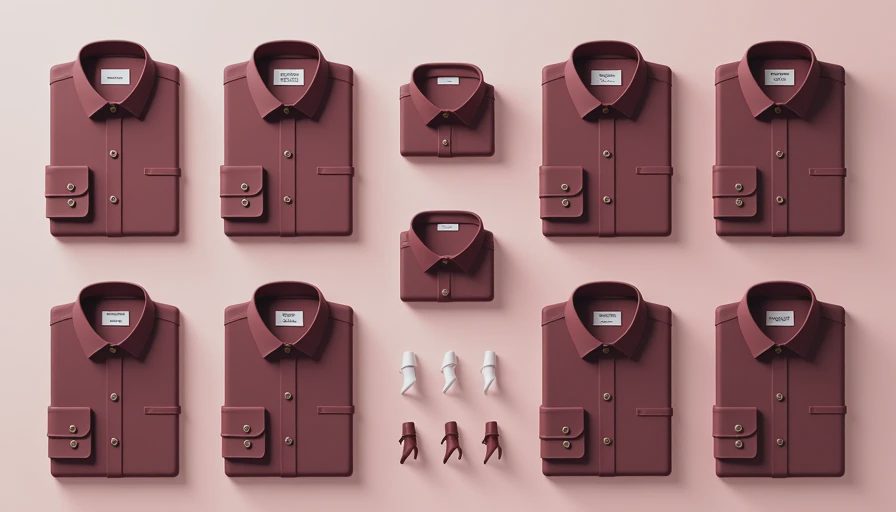
The reason button down apparel stays useful is fabric. Oxford cloth is the safest bet because it has texture, hangs well, and hides minor wrinkles better than a smooth dress shirt. Chambray feels a little softer and looks good with dark jeans or khakis. Flannel is the cold-weather answer when Kansas City decides to act like Kansas City. If you want one shirt that can do a lot, start with Oxford in white, light blue, or a muted stripe.
I also pay attention to weight. A thin shirt can look sharp in the store and tired after two washes. A slightly heavier shirt usually lasts longer, keeps its shape, and gives you more value per wear. That matters if you are buying at $60 or $90 instead of trying to build a closet out of bargain-bin luck. Stretch is fine in small doses, especially if you sit all day, but too much of it can make the shirt feel slick and cheap. If the fabric shines under normal indoor light, I usually pass.
How I wear them from Monday to Sunday
I keep button down apparel in rotation because it solves a real-life problem: looking put together without thinking about it. On a workday, I wear an Oxford with chinos and leather shoes. On Friday, I might swap in dark jeans and loafers. On the weekend, a chambray shirt over a T-shirt works for errands, dinner, or standing by the smoker while the brisket does its thing. Same shirt, different job.
That is where cost per wear starts to matter. A shirt that costs $80 and gets worn twice a month for two years is a better buy than a $35 shirt that feels wrong after three washes and stays on the hanger. If you travel for work, the same shirt can pull double duty with a blazer and then with sleeves rolled up at the airport bar. I have worn the same light blue shirt to a client lunch, a parent meeting, and a Saturday birthday party without feeling out of place.
The mistakes that make a good shirt look rented
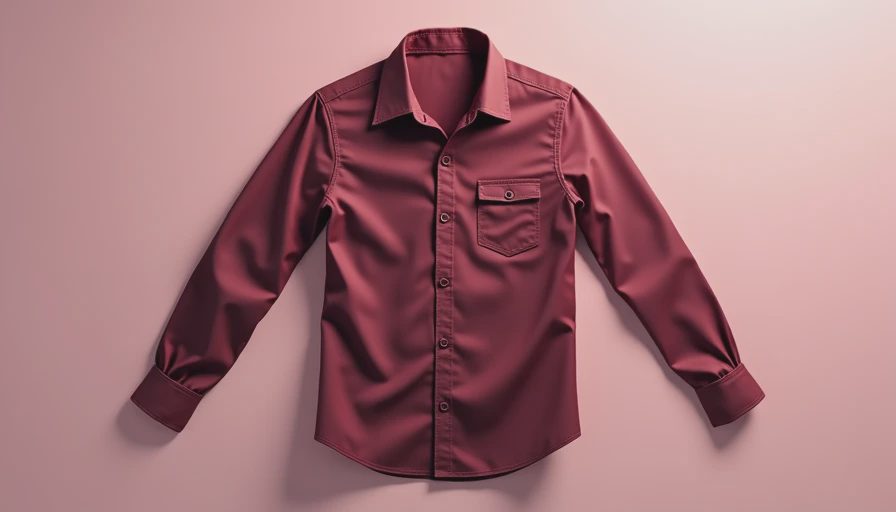
Most bad shirt choices are not dramatic. They are small problems that stack up. A collar that collapses makes the whole shirt look tired. Sleeves that are too long make your arms look shorter. A shirt that is too short comes untucked the second you sit down. Loud checks and shiny fabric can work for some guys, but if you are trying to build a normal, useful closet, they often create more trouble than they solve.
One thing I would skip early on is buying too many versions of the same idea. Three almost-identical blue shirts is not a strategy. A better setup is one white shirt, one light blue shirt, one Oxford in a darker shade, and one casual shirt in chambray or flannel. That gives you options without turning your closet into a uniform rack. If you want to shop smarter, look at return policies, wait for seasonal sales, and pay attention to sleeve length and neck size before you get distracted by the tag.
Button down apparel works best when it feels invisible in the right way. You put it on, it fits, and you move on with your day. That is the goal. Not trendy. Not precious. Just dressed on purpose, with enough room left over to haul groceries, answer emails, and still look like the guy who had a plan before the coffee kicked in.

No notes yet — write the first.