Essentials Clothing: The Core Pieces That Earn Their Keep
Tuesday, 7:14 AM. My daughter can't find her lunchbox, my son is asking what's for breakfast, and I'm in front of my closet with six minutes to get dressed. I don't panic. I grab a blue Oxford shirt, dark jeans, and brown boots. That's what essentials clothing means to me. Not a wardrobe of designer labels. A short list of reliable pieces that survive repeated washing and make you look like a grown-up even on four hours of sleep. It took me three years to figure this out.
I started tracking every purchase in 2023, after my boss said I needed to look the part. I made a spreadsheet. Every piece, price, wear count. Then I calculated cost per wear. A $120 pair of jeans worn twice a week for three years costs pennies per wear. A $40 pair that fades weird in eight months is the expensive option. Most guys our age don't need more clothes. We need fewer, better ones. The problem is knowing which ones. I mapped mine out over three years of trial and error. Here's what earned a spot.
What Actually Counts as Essentials Clothing
The term gets thrown around a lot, but when you strip away the hype, essentials clothing is the stuff you reach for twice a week. The shirt that doesn't need ironing after a wash. The jeans that fit the same on Friday as Monday. The boots already molded to your feet. If a piece makes you think, it's not essential. My test: if I left town for a week with only a carry-on, what would go in? That's my essentials list. About 85% of it stays the same year-round.
The Top Half: Shirts That Do the Work
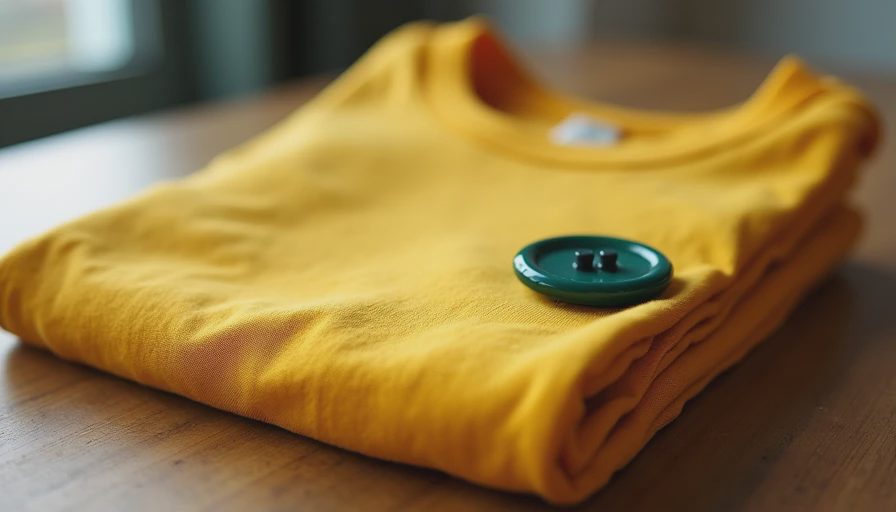
I keep three Oxford button-downs: one blue, one white, and one muted check. Regular fit, not slim, because I'm not 25 anymore and I want to lift my arms without the fabric pulling. These shirts go under a jacket in winter, rolled to the elbows in summer, and wash fine. If you work in an office like I do, add a fourth Oxford in a different shade. It extends the life of each shirt and keeps the rotation from feeling repetitive. Then two heavyweight tees, one gray, one navy. The weight matters. A thick tee drapes better and doesn't turn see-through after ten washes. I pay about $20 each and they last two years. For fall, one solid flannel, worn open over a tee on cool mornings.
The Bottom Half: Pants That Don't Need a Second Thought
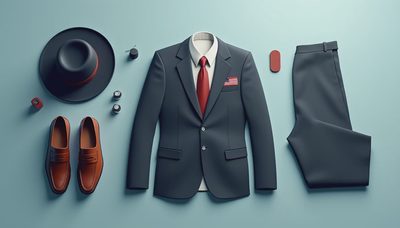
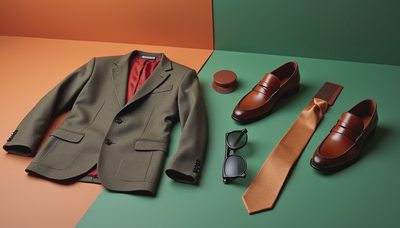
Essentials clothing for the lower half starts with two pairs of dark wash jeans. Straight or slim-straight, no rips, no faded knees. Dark denim looks better as it wears and dresses up for dinner out. I spend around $90 a pair and have had the same two pairs for two years. Then two pairs of chinos, one khaki, one navy. Chinos in the $40 to $60 range are fine on sale. Color matters more than brand. They go with every shirt I own. I also keep one pair of gray wool trousers, but those are for weddings and client meetings. Shoes are the piece guys skip, but they're the first thing people notice. I have three: clean white leather sneakers, dark brown leather boots I've had resoled twice, and simple leather loafers. That covers everything from school pickup to date night.
The Outer Layer: One Jacket That Does Most of the Work
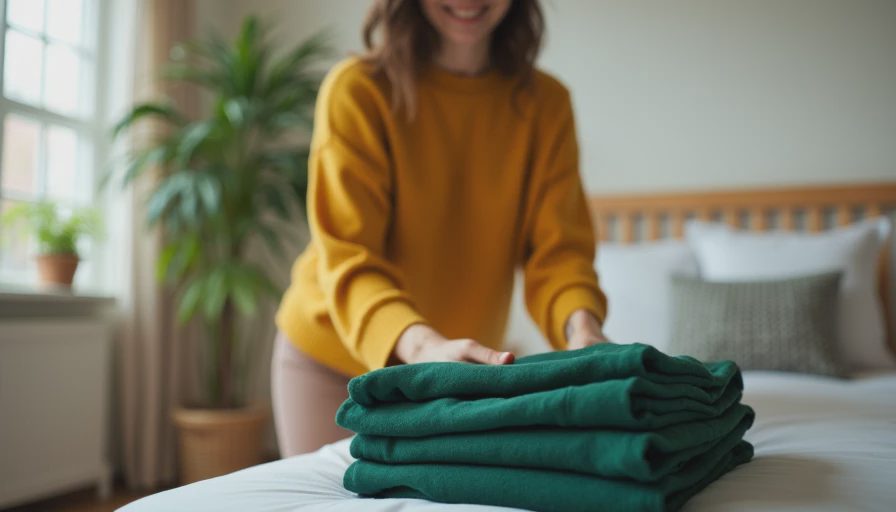
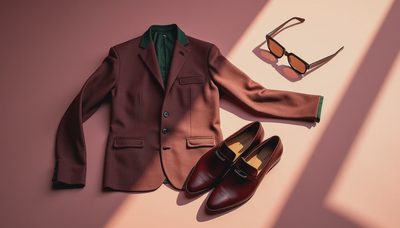
I used to own a puffer, a windbreaker, a denim jacket, and a rain shell. Half of them didn't work over anything. Eventually I sold most and bought a single canvas chore coat with a corduroy collar. I've had it for six years. It works over a tee, over a flannel, over a sweater. It's warm enough for a Kansas City spring and fall, and layers under a heavier coat in January. That's essentials clothing at the outer layer: one piece that answers every situation. If you live somewhere colder, swap it for a wool overcoat in navy or charcoal.
How to Buy These Without Blowing the Budget
The mistake is thinking essentials clothing has to cost a fortune. Half of my list is under $100 per piece. I spend real money on jeans and boots because they take the most abuse. Everything else is fair game for sales and off-brands. My rules: shop at the end of the season. Buy winter boots in March. Buy summer shorts in August. Never buy anything that isn't replacing an essential that wore out.
The Real Point of Essentials Clothing
When I open my closet now, I see about 25 things I actually reach for. A few years ago I had over 80 items and still felt like I had nothing to wear. That's the difference between a closet full of options and a closet full of answers. Essentials clothing is the confidence that what you put on will work before you put it on. No late-morning regrets, no second-guessing in the mirror. It's the reason I can stand at 7:14 AM with a missing lunchbox and know exactly what to grab. Get the core right, and the rest doesn't matter.
No notes yet — write the first.