Tuesday morning, 7:14, Molly cannot find her lunchbox, and I have six minutes to get out the door. I reach past two golf shirts and an old concert tee for one of my mens henley shirts. Dark olive, three buttons, sleeves pushed once. It works with jeans, looks acceptable on a video call, and does not require a second thought. That is the whole appeal: a Henley gives a regular outfit a little structure without making you look like you are trying to sell luxury watches.
I have bought enough shirts over the past three years to fill a spreadsheet, and the best ones are not necessarily the expensive ones. A $25 shirt worn 30 times beats a $75 shirt that hangs untouched. Here is what I have learned about picking, wearing, and caring for a Henley when your life includes office meetings, school pickup, yard work, and dinner somewhere better than a drive-through.
Why mens henley shirts work so well
A Henley is essentially a T-shirt with a short button placket at the neck. That small detail changes the proportions of the shirt and gives your upper body a cleaner frame. You can button it for a neater appearance or leave one or two buttons open when you are relaxing. It is more useful than a crew-neck tee but less formal than an oxford shirt.
The best mens henley shirts sit close to your body without clinging. The shoulder seam should land near the edge of your shoulder, not halfway down your upper arm. The sleeve should finish around mid-bicep for a short-sleeve version, while a long sleeve should reach the wrist without bunching into a stack of fabric. If you carry a few extra pounds around the middle, look for a straight or relaxed cut rather than sizing up. A shirt that is too wide often creates a sloppy tent shape.
Fabric matters just as much as fit. Cotton jersey is the safest starting point because it feels familiar and washes easily. A cotton-modal blend can feel softer, but very thin fabric tends to show every wrinkle and may lose its shape. For spring and fall in Kansas City, I get the most use from a medium-weight fabric around the feel of a substantial T-shirt. It is comfortable indoors and does not collapse under a denim jacket.
Colors and outfits that do the work
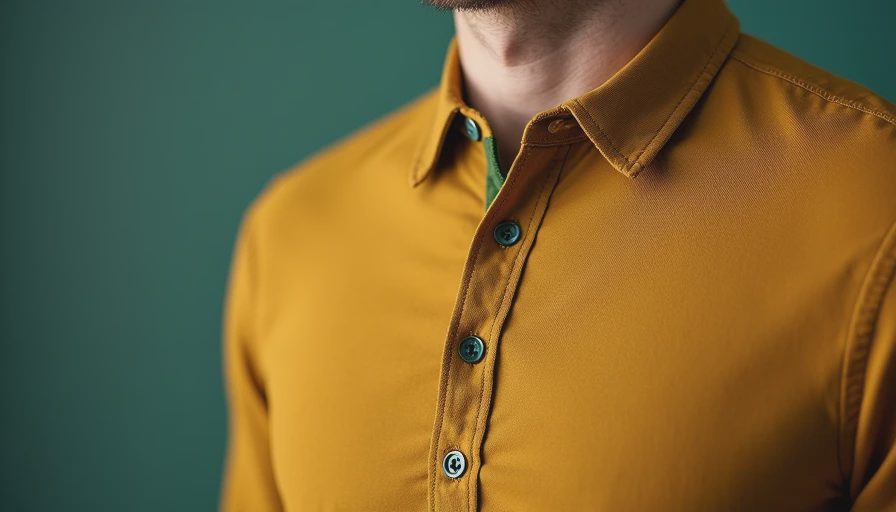
If you are buying your first mens henley shirts, start with colors that already match your pants. Heather gray, navy, cream, olive, and muted burgundy are practical choices. They work with dark denim, khakis, five-pocket pants, and casual chinos. I would pass on bright red or complicated patterns for the first purchase because those shirts tend to dictate the entire outfit.
A navy Henley with medium-wash jeans is an easy Saturday combination. Swap in tan chinos and clean leather sneakers, and it can handle a casual office that does not require a jacket. A cream Henley under a gray overshirt looks put together without becoming precious. For cooler weather, wear one under a chore coat, unstructured blazer, or flannel overshirt. The collarless neckline keeps the layers from feeling crowded.
Shoes decide how casual the outfit reads. Canvas sneakers make a Henley appropriate for errands. Brown leather boots add enough weight for dinner or a fall workday. Running shoes usually pull the outfit toward exercise, even when the rest of your clothes are fine. That is not a rule carved into stone, but it is a useful test in the mirror.
The fit test I use before buying
When I try mens henley shirts in a store, I check five things before looking at the price tag. First, I raise both arms. If the hem climbs above my belt, the shirt is probably too short. Second, I sit down. If the buttons pull apart across my stomach, I need a different cut, not wishful thinking. Third, I check the placket. It should lie flat rather than curl outward.
Then I look at the side seam. It should fall roughly straight from the armpit to the hem. A dramatic curve can make the shirt look athletic in a way that does not suit every body. Finally, I pinch the fabric at my sides. An inch or two of room is comfortable; several inches usually means the shirt is oversized. These tests take less than a minute and have saved me from several bad purchases.
Sizing is inconsistent between brands, so do not assume your usual large will fit everywhere. A medium heavyweight shirt can feel tighter than a large lightweight shirt. If shopping online, compare the garment measurements with a shirt you already own and like. Chest width, body length, and sleeve length tell you more than a generic size chart.
What to spend on mens henley shirts
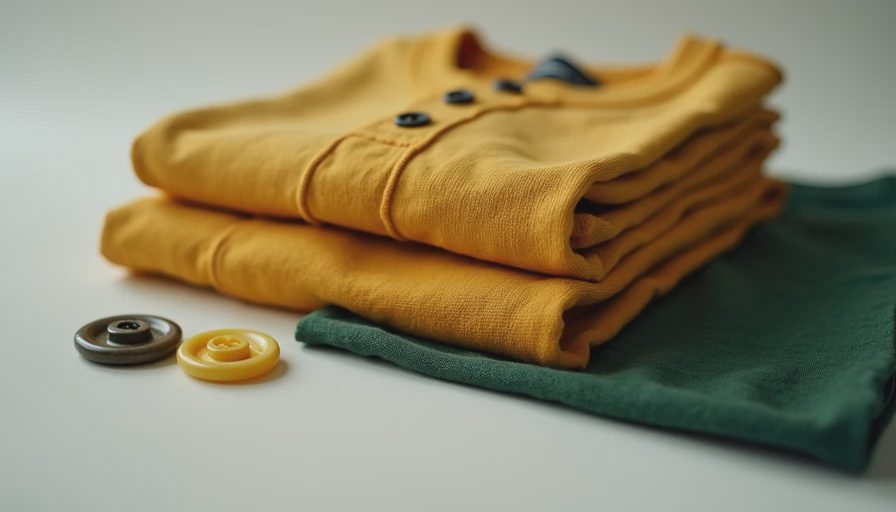
For most men, the useful price range is about $20 to $60 per shirt. Under $20, you can find good options, especially during seasonal sales, but inspect the stitching and fabric recovery. If the collar looks stretched before the first wash, the bargain is not doing much for you. Between $30 and $45 is often the practical middle: enough fabric weight for regular wear without paying for a logo.
Above $60, you are usually paying for softer materials, specialty construction, or a particular fit. That can be worthwhile if you wear the shirt weekly, but it is not automatically better. My spreadsheet gives a $36 Henley worn twice a month for two years a cost of 75 cents per wear before laundry. A $90 shirt worn four times is still an expensive decoration.
Brands such as J.Crew, L.L.Bean, Uniqlo, and Buck Mason offer different approaches to casual basics, but the label should come after fit and fabric. Sales are common, so I rarely pay full price for a color I can find elsewhere. The best purchase is the one that survives your washing routine and still looks good at the end of the season.
How to make mens henley shirts last
Wash these shirts in cold water and avoid overloading the machine. Heat and aggressive drying are common reasons cotton shrinks, twists, or loses its shape. I dry mine on low heat for a short cycle, then hang them while slightly damp. If a shirt is especially soft or expensive, I air-dry it completely. Buttoning the top button before washing can also help the placket keep its shape.
Do not hang a heavy wet Henley by the collar; the weight can stretch the neckline. Fold it over a hanger bar or lay it flat until dry. I also avoid wearing the same shirt for two consecutive days, even if it seems clean. Body oils and deodorant build up around the neckline faster than you notice, and rotating three or four shirts gives each one time to recover.
A good Henley should not need constant ironing. If the hem curls after washing or the buttons pull after a few wears, count that as information. Replace it with a heavier knit or a different cut next time. Clothing gets easier when you pay attention to what failed instead of blaming yourself for not styling it correctly.
A simple starting lineup
If your closet needs a dependable reset, begin with three mens henley shirts: navy, heather gray, and olive or cream. Choose one short sleeve and two long sleeve if you live somewhere with real fall weather. Wear the navy with jeans, the gray with chinos, and the olive or cream under an overshirt. That gives you several combinations without buying a drawer full of near-duplicates.
Take a quick photo of each outfit that works. I started doing this after realizing I repeatedly wore the same three combinations while ignoring half my closet. The photos became a visual shortcut on busy mornings, especially when Wyatt needs a ride to school and I have a client call at eight.
The point of mens henley shirts is not to build a fashion personality. It is to have a shirt that looks intentional, feels comfortable, and earns its place through repeated wear. Start with a solid color, check the shoulder and hem, spend enough for decent fabric, and wash it like you expect to own it for three years. That is dressing on purpose.

No notes yet — write the first.