Tuesday at 7:14 AM, Molly can’t find her lunchbox and I’m staring at the closet door, which is usually how the business casual business starts in my house: with six minutes and a shirt that needs to do more than one job. If that sounds familiar, good. You do not need a closet full of runway leftovers. You need a few pieces that make you look awake, competent, and like you remembered where you work.
Start with the job, not the label
In the business casual business, the label is less important than the room you walk into. A guy at a bank branch, a claims office, a church office, and a tech company all wear slightly different versions of the same idea. The safe version is simple: pants that are not jeans, a shirt with a collar, and shoes that look better than gym shoes. That covers a lot of ground without making you feel like you borrowed your brother-in-law’s wardrobe.
I think of it this way. If your clothes would pass in a client meeting, a school fundraiser, and a quick dinner after work, you are close. If they only work on Casual Friday, they are probably too casual. If they look like you are headed to a wedding, they are too much. The sweet spot sits in the middle, and it is easier to hit than most style videos make it sound.
Fit does most of the heavy lifting
For the business casual business, fit beats brand every time. A $60 shirt that sits clean across the shoulders will look better than a $160 shirt that billows at the waist or pulls at the buttons. Same with pants. If the hem breaks once over the shoe and the seat does not sag, you already look more put together than half the office.
Here is the simple test I use in my own closet log. Stand sideways in the mirror. If the jacket or shirt makes your torso look like a rectangle with sleeves, it is probably too boxy. If the sleeves look like they were tailored for a different man, they probably were. Most guys do not need custom clothing. They need a regular size that is right in the shoulders, then a quick trip to a tailor for sleeve length or pant hem. That usually runs less than dinner for two, and it changes everything.
Shirts in cotton or cotton blends from places like Uniqlo, Lands’ End, J.Crew Factory, or Banana Republic Factory can work just fine if the fit is right. Same with chinos from Dockers or similar basics. Keep the price in the $40 to $80 range for shirts and $50 to $90 for pants, and you can build a solid rotation without turning it into a hobby.

Build a small rotation that actually gets worn
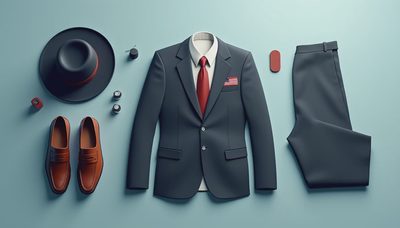
You do not need 20 outfits. You need four or five that you can grab when school runs, deadlines, and bad coffee have already eaten your morning. A white oxford shirt, a light blue shirt, a gray knit polo, tan chinos, navy chinos, and a dark belt will carry a lot of the load. Add one sport coat in navy or charcoal and you have a step-up layer for presentations, dinners, or the random day your boss decides to be visible.
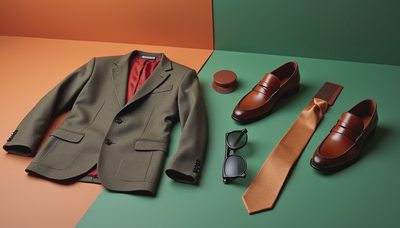
In the business casual business, the trick is making the pieces talk to each other. Navy pants with a light blue shirt and brown shoes. Tan pants with a white shirt and a navy blazer. A knit polo with chinos and loafers on a warmer day. None of that is fancy. It just looks considered. That is the whole game.
If you want to keep score like I do, the goal is cost per wear, not sticker shock. A $120 pair of pants worn 40 times costs less per outing than a $45 pair that stretches out, pills up, and gets shoved to the back of the closet by Thanksgiving.
Shoes and belts set the tone
In the business casual business, shoes do more talking than most guys realize. Clean leather sneakers can work in some offices, but brown loafers, plain derbies, or simple oxfords usually make the outfit look more finished. You do not need shiny dress shoes that squeak on tile. You do need something that looks intentional and not like you forgot to change after mowing the yard.
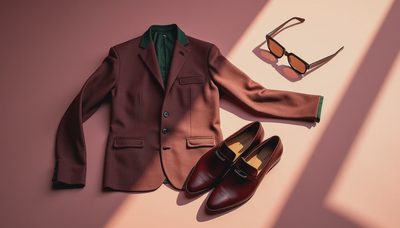
Keep the leather simple. Brown is the easiest place to start because it goes with navy, gray, khaki, and denim if your office allows dark jeans. Match your belt to your shoes and you have already avoided one of the most common mismatches I see. If the shoes are black, the belt should be black. If the shoes are brown, stay in the brown family. That small detail makes the rest of the outfit look calmer.
A good pair of shoes in the $70 to $150 range can last years if you rotate them and wipe them down now and then. That is a lot cheaper than buying three cheaper pairs that all look tired by next spring.

What usually goes wrong
The biggest mistake in the business casual business is trying to dress like someone else’s idea of professional instead of your actual life. That usually shows up in two ways. First, the outfit is too sloppy, with wrinkled polos, faded collars, and shoes that belong in the garage. Second, the outfit is too hard, with shiny dress shirts, stiff pants, and a jacket that makes you look like you are headed to a sales award dinner.
Another common miss is color. You do not need a rainbow. Navy, gray, white, light blue, tan, and brown will get most guys through the week with almost no friction. Once those are working, you can add a check pattern or a darker green shirt if you want. The point is to make mornings easier, not to audition for style points.
If your closet already has a few decent pieces, do not replace everything at once. Start by fixing the worst shirt, the worst shoes, and the pants that fit the least like they should. Small upgrades beat a full reset every time.
A simple shopping plan for the next pay period
If the business casual business feels messy, break it into one trip and one goal. Buy one shirt, one pair of pants, and one pair of shoes that all work together. Try them on with the belt you already own. Make sure the shirt collar sits flat, the pants do not bunch up at the ankles, and the shoes look like they belong in the same conversation. That alone can change how your whole closet feels.
Then stop and wear the new pieces for a week before buying more. You will learn fast whether the shirt wrinkles too much, whether the pants are too slim for a long day at a desk, and whether the shoes are comfortable enough for real life. That is how a closet gets better without turning into a pile of regrets.
My rule is simple: buy for next Tuesday, not for an imaginary version of yourself. If the clothes work for daycare drop-off, the office, and a last-minute dinner with your wife, you are on the right track. Dressed on purpose. That is the whole point.

No notes yet — write the first.