Tuesday, 7:14 AM. Molly can't find her lunchbox, Wyatt's asking me to sign a permission slip, and I'm standing in front of my closet with six minutes to spare. That's when casual clothes for men stops being a shopping category and starts being a survival skill. I've spent the last three years tracking every shirt, pair of pants, and pair of shoes I own in a color-coded spreadsheet. The goal wasn't a magazine cover. It was getting dressed without feeling like I lost the argument before it started.
If you're a guy in your 30s or 40s with a job, a family, and a full calendar, you don't need a bigger closet. You need casual clothes for men that actually work as a system. This guide walks you through the pieces I've field-tested, the ones I've donated, and the simple math I use before every purchase.
The Six-Minute Rule for Buying Casual Clothes for Men
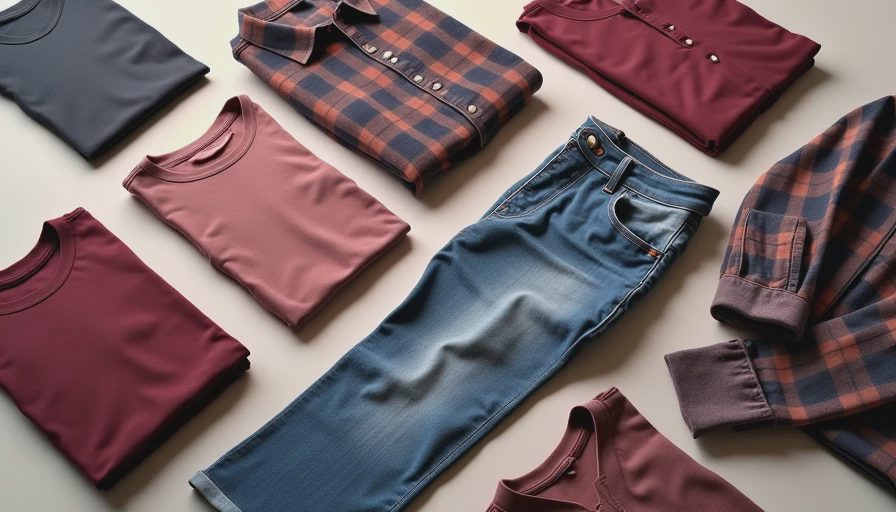
The problem most guys have isn't a lack of options. It's too many mixed-up options. My rule: if I can't get fully dressed in six minutes flat, something in the rotation has to go. That rule is why I own exactly seven casual button-down shirts, four pairs of chinos, three pairs of dark denim, and one pair of clean white sneakers. Everything matches everything. There's no thinking at 7 AM.
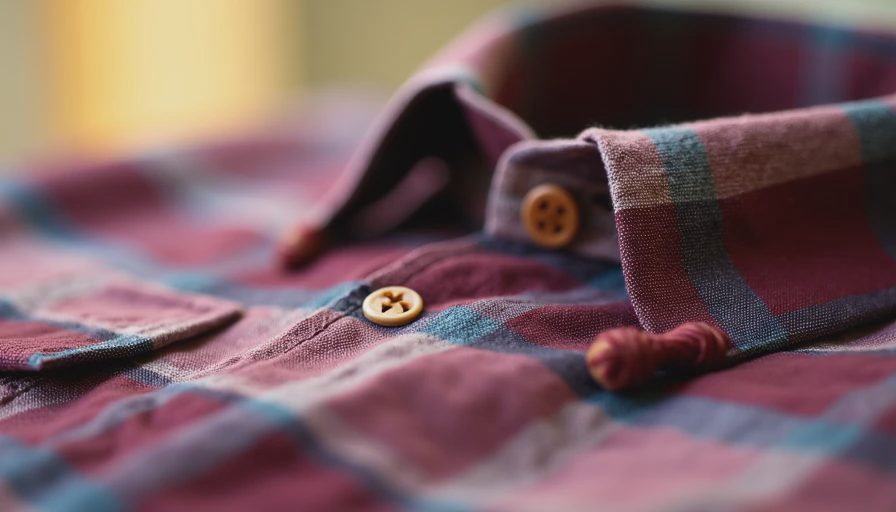
Casual should mean relaxed, not sloppy. A good outfit for a Saturday morning at the farmers market or a Friday at the office is built from the same five or six pieces. The difference is the shirt. A medium-weight Oxford cloth button-down in a solid color does both. I buy mine from Lands' End when they're on sale — usually around $35 to $45 — and each one has lasted me two years of weekly wear. That's about 50 cents a wear by the end of the first year.
The Core Pieces That Earn Their Spot
After three years of tracking my closet, I can tell you exactly which items pull their weight. Start with these:
- A dark navy or charcoal Oxford shirt. No logo. No pocket full of pens.
- Two plain crewneck T-shirts in white and heather gray. I prefer a heavier 6-oz cotton from places like LL Bean or Uniqlo's Supima tees, around $15 to $20. They don't go see-through after ten washes.
- One pair of dark selvedge denim that fits at the waist without a belt. I rotate a pair of Levi's 501s and a pair from a local Kansas City shop that ran me $128. Both hold their shape.
- Two pairs of chinos in khaki and olive from Dockers or Bonobos during a sale. $45 to $70 each. They're the bridge between jeans and dress pants.
- One pair of white leather sneakers. I have a pair from Greats and a pair from Adidas. You can wear these with anything, including the chinos and the Oxford shirt.
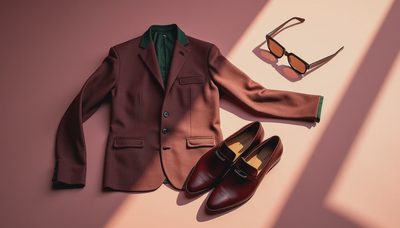
- A light casual jacket, like a chore coat or a bomber. This is the piece that makes a plain T-shirt and jeans look intentional.
Here's the thing about casual clothes for men: one good pair of shoes and a clean shirt will get you through 80 percent of your week. The other 20 percent is where the jacket comes in. Skip most graphic tees, heavily distressed jeans, and anything with a giant logo. Those are the items that end up in the donate pile after two wears.
What to Skip (And What to Spend On)
Let's talk money. You don't need a $400 hoodie. My rule of thumb is to spend more on shoes, jackets, and jeans because those take the most abuse, and less on T-shirts and socks because they wear out no matter what. I've bought $10 T-shirts that felt okay in the store and looked tired by December. A $20 shirt with a heavier cotton weave lasts twice as long. That's simple math.
On the other hand, I've learned the hard way not to cheap out on a jacket. A $60 blazer from a discount store sat in my closet for a year because it made me look like a substitute teacher. I traded it for a $150 chore coat from Duluth Trading Company, and now it's the first thing I grab when I leave the house. Same budget, but way better payoff.
Cost-Per-Wear: The Spreadsheet Method
This is the habit that changed my shopping. I started logging every item with price and date in 2023. Cost-per-wear is simple: divide the price by how many times you wore it. A $120 pair of jeans worn 40 times in six months costs $3 per wear. A $30 T-shirt worn eight times costs $3.75. The expensive jeans actually cost less per use.
This method also kills impulse buys. Before I buy anything, I ask myself if I'll wear it at least 30 times in the first year. If the answer is no, it stays on the rack. That one question has saved me hundreds of dollars worth of shirts with elbows that were never meant to be rolled.
The Three-Outfit Test
If you're rebuilding your rotation, don't try to do it all in one weekend. Pick three complete outfits and wear them for a week. After seven days, you'll know which pieces work and which ones you're forcing. That's the whole process. Dressed on purpose means choosing the system that fits your actual life, not the one from a catalog.
Big takeaway: start small. Buy one Oxford shirt, one pair of chinos, one clean pair of sneakers. Wear them together for a week. Then add the next piece. The best casual clothes for men are the ones that make your morning easier — not the ones that require a stylist to put together.

No notes yet — write the first.