Tuesday, 7:14 AM. Molly can't find her lunchbox, I'm staring at my closet with six minutes to spare, and I still have no idea what to wear. Sound familiar? Most guys my age don't need a wardrobe overhaul — they need to understand the basic clothing styles that actually exist and which ones fit their life. After three years tracking every purchase in a color-coded spreadsheet, I've learned that dressing on purpose isn't about chasing trends. It's about knowing what the options are and picking the ones that work for you.
What We Mean by Clothing Styles (and Why It Matters)
When I say clothing styles, I'm not talking about runway collections or the latest celebrity collab. I'm talking about the handful of visual languages that most American men already recognize: preppy, workwear, athleisure, smart casual, and classic. Each one has a set of familiar pieces, textures, and silhouettes. The problem is most guys never stop to name them, so everything in the closet is just "stuff." Once you can put a name to a look, you can make deliberate choices instead of grabbing the same faded polo every morning.
Here's a concrete example from my own log. In 2023 I bought a pair of raw denim jeans thinking they'd be my new everyday pair. I wore them maybe 40 times in six months. That's a cost-per-wear of about $2.50 each time. Most of my workhorses sit around 30 cents per wear. The jeans are still in my closet, but now I know they belong to a specific style category that doesn't fit my weekday routine. That kind of data changes how you shop.

The Five Core Clothing Styles That Actually Matter
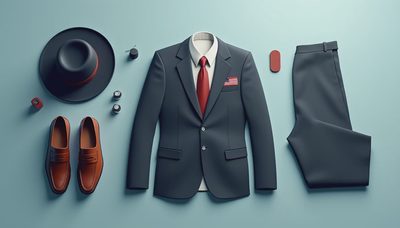
You don't need a dozen categories. These five cover 95% of what a guy in his 30s or 40s actually wears. Classic is your khakis, oxford shirts, and a navy blazer that fits the wedding or client meeting. Workwear is denim chore coats, canvas pants, and boots — built to last and looks better with age. Athleisure is joggers, tech fleece, and sneakers designed for everyday comfort. Preppy brings button-downs with patterns, loafers, and vests. And minimalist is solid colors, clean lines, no logos.
None of these is inherently wrong. The question is which clothing styles match your actual days. A warehouse manager will live in workwear. An insurance adjuster like me lives in classic and smart casual. The trick is not to pick one and worship it — it's to pull a few pieces from a couple styles that fit your life.
How to Build a Wardrobe That's Actually Yours
Start with a rough inventory. Open your closet and sort into piles: weekday work, weekend errands, going out, and "why do I still own this." You'll quickly see where your money went. Then ask yourself three questions:
What does my average week look like? If you're in an office Monday through Friday, that's 60% of your awake wardrobe time. Build around that.
What am I trying to communicate? Trust, competence, and approachability are common answers. Clothing styles send signals before you speak.
What does my budget say? You can assemble a solid four-piece capsule for around $200-$300 if you shop sales and skip the hype brands. I've got a $35 oxford from Target that's outlasted a $90 one from a specialty brand.
The Five-Minute Style Test
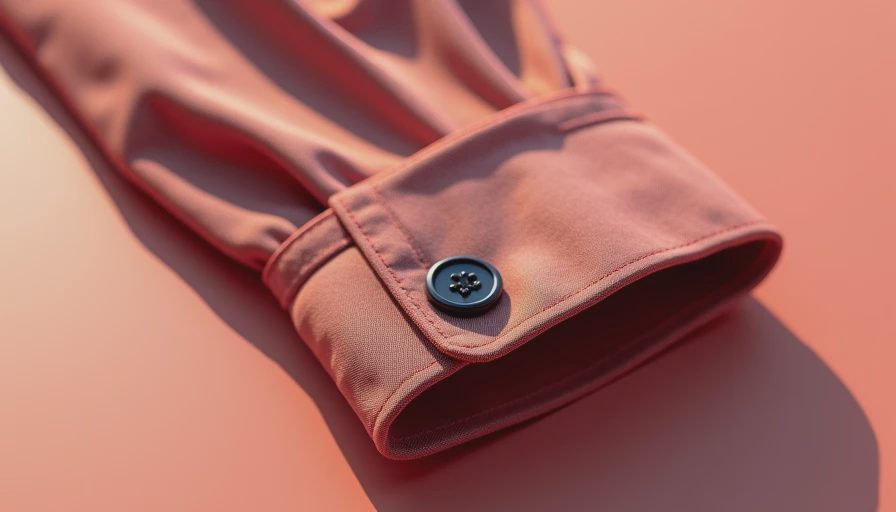
Before you buy into a new look, try this. Pick one item that represents the style — say, a chore coat — and wear it for a week with everything you already own. If it feels like a costume, you'll know. If you get a compliment from your wife or a coworker, you're onto something. This "one piece test" keeps you from blowing a paycheck on a full outfit that never leaves the hanger.
I did this with an odd jacket back in 2023. I wore it to work on a Tuesday, then to a school event on Friday. The jacket worked both places. That's the sign a style fits. It should flex across your life, not just one occasion.
Mistakes That Make Men Abandon a New Clothing Style
The most common reason guys give up on a better look is they try too much too fast. They buy a full capsule at once, realize it doesn't feel like them, and retreat to the same old t-shirts. The fix is to go slow. Buy one pair of well-fitting chinos, one button-down, one pair of clean everyday sneakers. Wear them together for a month. Then add one more piece.
Another mistake is ignoring fit. A $50 blazer that's too boxy will look worse than a $20 one that's been tailored. Find a local alteration shop and budget $10-$20 per garment for hemming sleeves and taking in the waist. It changes everything. And finally, don't confuse a clothing style with a costume. A leather jacket is a great tool, but it shouldn't be the whole personality. Let the clothes support you, not speak for you.
Why This Matters More Than You Think
Look, I'm not here to sell you a better life. I'm here to help you pick a better shirt. When you understand the basic clothing styles that exist, you stop guessing. You walk into a store, see a rack of options, and instantly know which ones belong in your cart. That's what dressing on purpose means. It saves money, time, and the occasional staring contest with your closet.
Here's your action step for tomorrow morning: open that closet, pick out one outfit that fits a style you just learned, and wear it with the kind of confidence that comes from a plan. Then log what you wear and how it felt. A week from now, you'll have data. That's the whole system.


No notes yet — write the first.