Tuesday morning, 7:14 AM, and I’m standing in my closet while Molly is yelling that she can’t find her math folder. That’s usually when I remember why a good dress shirt matters. If it hangs right, irons fast, and doesn’t fight you at the neck by 2 PM, it earns its spot. If it doesn’t, it turns a normal workday into a little nuisance you have to think about twice.
Start With Fit, Not Fashion
The biggest mistake I see is buying a dress shirt by neck size alone and calling it good. That gets you in the ballpark, but the rest of the shirt can still look like you borrowed it from a taller cousin. You want the shoulder seam sitting near the edge of your shoulder, sleeves ending around the wrist bone, and enough room through the chest that you can reach for a coffee without the buttons straining.
A dress shirt should skim your body, not cling to it. If it billows at the sides, the shirt is too big. If you can see the outline of your undershirt or the fabric pulls across your back when you sit down, it is too small. A simple fit check I use: button the middle button, sit in a chair, then cross one arm over your chest. If the whole thing feels like a tug-of-war, size up or try a different cut.
Most brands use some version of classic, slim, or athletic fit. Those words are not magic, but they help. Classic gives you more room in the midsection. Slim trims the sides. Athletic usually gives a little more room in the chest and shoulders without turning the waist into a tent. If you have an office job, wear a sport coat sometimes, and want one shirt to do a lot of jobs, athletic or regular fit is often the safest place to start.
Pick Fabrics and Colors That Work Hard
The first shirts I bought were all shiny and stiff, which looked fine on the hanger and terrible after lunch. A dress shirt in 100 percent cotton usually breathes better and looks more natural than a synthetic blend, especially under office lights. Poplin is smooth and crisp. Oxford is a little heavier and more casual. Twill has a bit more texture and tends to wrinkle less than a super-thin cotton.
For color, you do not need a whole rainbow. White and light blue do most of the heavy lifting. White works with nearly any suit, gray jacket, or dark sweater. Light blue is a little softer and easier for everyday office wear. If you want a third option, a pale stripe can be useful, but keep the pattern small enough that it still behaves like a neutral.
Price-wise, I’ve seen decent shirts in the $30 to $70 range at places like Uniqlo, Lands’ End, and J.Crew Factory. Step up into the $80 to $150 range and you usually get better fabric, cleaner stitching, and collars that hold their shape longer. You do not need the most expensive option on the rack to look put together.

Collar, Cuffs, and the Details People Notice
The collar is where a dress shirt either looks sharp or looks tired. A spread collar works well if you wear a tie now and then, because it leaves room for the knot and sits nicely under a jacket. A point collar is a little more old-school and usually fine for business settings. The main thing is that the collar should stand up on its own and not collapse like wet cardboard after one wash.
Cuffs matter too. Button cuffs are the everyday choice and the easiest to live with. French cuffs are dressier and need cuff links, so I treat them like a special occasion move, not a daily habit. If you spend your life typing, driving, and carrying a laptop bag, a standard button cuff is probably the one you’ll actually wear.
Another detail worth checking is the placket, which is the strip where the buttons sit. A clean front looks more polished than a shirt with cheap, floppy construction. If the buttons feel loose in the store, they will not get tighter at home. I also look at the stitching along the seams. Straight, tight stitching usually means the shirt will hold up better after repeated washes.
Build a Small Rotation You’ll Actually Use
You do not need a closet full of options. Three good shirts cover a lot: one white, one light blue, and one pattern that is quiet enough for work. That gives you enough variety for office days, a funeral, a parent meeting, or a dinner where you want to look like you tried without making a whole production out of it.
I buy most of my dress shirt supply with a simple rule: if I cannot picture it with at least two jackets and one pair of chinos I already own, I pass. That keeps me from buying a shirt just because it is on sale. A sale is only a good deal if the shirt actually gets worn.
If you wear ties often, check the collar points against the knot size. A wider collar usually balances a bigger tie knot better, while a narrower collar looks cleaner with a slimmer tie. If you rarely wear a tie, you can still choose a collar that frames the face well and does not disappear under a sport coat.
How to Shop Without Overpaying
When I shop for a dress shirt, I look at the full cost, not just the sticker price. A $45 shirt that lasts three years and gets worn twice a month beats a $20 shirt that pills, yellows, and gets pushed to the back after six washes. That is the same math I use on work boots, smoker accessories, and pretty much everything else I keep long enough to care about.
Try the shirt on in the store if you can. Raise your arms, sit down, and look at it in a mirror from a little distance. Does the collar still sit flat? Are the sleeves too long? Is the hem going to stay tucked in when you move around? Those are the questions that matter more than whatever the tag says about performance fabric or wrinkle resistance.
Online shopping is fine too, but read the measurements instead of trusting the size label. Neck and sleeve numbers tell you more than S, M, or L ever will. If the retailer offers free returns, use that to your advantage and order two sizes when you are between cuts.
Care and When to Replace It
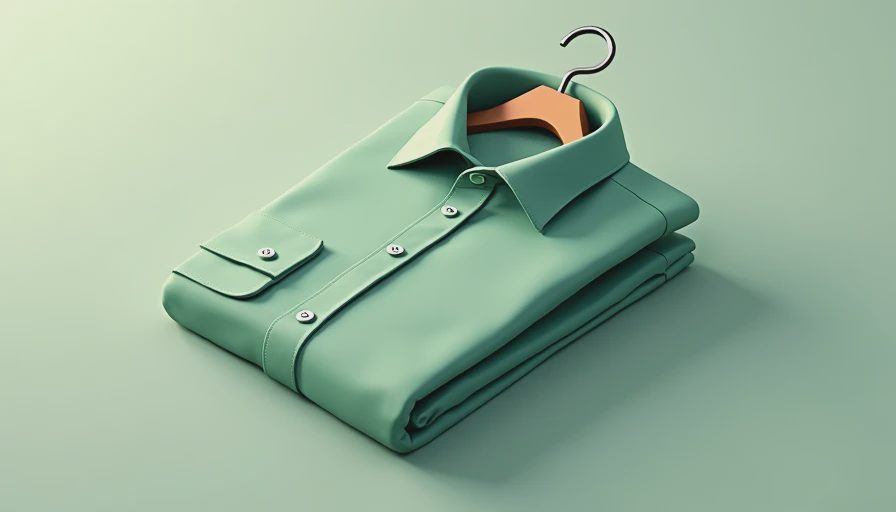
A good dress shirt should not require a museum-level care routine. Wash it in cold water, button the cuffs before it goes in, and hang it up promptly after the dryer so wrinkles do not set in like concrete. If you hate ironing, hang-drying most of the way and giving it a quick touch-up with a steam iron can save a lot of time.
Watch the collar and cuffs first. Those spots usually show wear before the rest of the shirt does. Yellowing, frayed edges, or a collar that has lost its shape are the signs that the shirt has reached the end of the road. If the body is still fine but the collar is cooked, I’d replace it before the shirt starts making the whole outfit look tired.
The goal is not to own the fanciest shirt in the room. It is to own one that makes getting dressed easy. When a dress shirt fits well, works with your real clothes, and survives normal life, it stops being a problem and starts doing its job. That’s dressed on purpose, and that’s enough.



No notes yet — write the first.