Tuesday morning, 7:14, and I’m standing in my closet with six minutes before a client meeting, trying to decide whether my navy suit still does the job. That’s the whole reason I care about for men formal dress. Most guys do not need a style theory lesson. They need a simple system that works for weddings, funerals, office events, and the rare dinner where jeans would look lazy. If you build the right outfit once, you can wear it again three months later without starting from scratch or blowing $1,500 at a mall store.
What for men formal dress really looks like
Start with the boring answer, because the boring answer is usually the right one. A dark navy or charcoal suit, a white or pale blue dress shirt, a conservative tie, and clean leather shoes will get you through most situations. Black is fine for a funeral or a very serious evening event, but it can look a little harsh in daylight. If the invite says black tie, that means tuxedo territory, not just your nicest suit. If it says business formal, the dark suit gets the nod.
I like to think about the whole outfit as a team. The suit does the heavy lifting. The shirt keeps it from looking like a rental. The shoes keep the whole thing from falling apart. When one piece is weak, the eye goes right to it. That is why a $300 suit with good fit can beat a $900 suit that hangs on you like a wet coat.
You do not need six versions of the same outfit. You need one dependable version and maybe one backup shirt.
Fit is where most guys lose the game
Fit is the part nobody wants to hear about, because it is less fun than shopping. Still, it is the difference between looking prepared and looking like you borrowed your brother-in-law’s clothes. The jacket shoulder should sit close to your actual shoulder, the sleeves should show a little shirt cuff, and the pants should break just once over the shoe, not puddle around your ankles. If your jacket button pulls across the stomach, size up and tailor the waist. If the sleeves are too long, have them shortened. That kind of work usually costs less than buying a whole new suit.
This is where stores like SuitSupply, J.Crew, Brooks Brothers, and Nordstrom Rack can make sense, because you can find different price points without chasing logos. A decent off-the-rack suit often lands between $250 and $600. Tailoring can add another $40 to $150 depending on what needs fixing. That sounds like extra money, but it is usually cheaper than buying a second suit because the first one fit badly. If you are between sizes, go with the one that fixes the shoulders and the chest first. Everything else is easier to tailor.

Shirt, tie, and shoes do the quiet work
The shirt should be simple enough that nobody thinks about it. White is the safest choice. Light blue is next. I would avoid loud patterns unless you already know the room. Collar spread matters less than having a collar that sits flat and a neck size that lets you breathe after lunch. Charles Tyrwhitt, Banana Republic, J.Crew, and Lands’ End all sell dress shirts that can work if the measurements are right, and a good shirt usually lives in the $60 to $120 range before sales.
For ties, keep the pattern small and the color darker than the shirt. Burgundy, navy, and muted green are easy wins. If you are not sure, a solid tie is hard to beat. Shoes should be polished leather, and black is the safest color if the suit is black, charcoal, or navy. Allen Edmonds, Johnston & Murphy, and Florsheim are common midrange names men run into, but the bigger point is shape and condition. Worn-down heels and scuffed toes make a nice suit look tired fast. Belts should match the shoes closely. That is one of those tiny things people notice without noticing.
Where to save and where to spend
If you are building this from zero, spend first on fit, then on shoes, then on the shirt. The suit is important, but a well-fitted midrange suit beats an expensive one that needs three people to explain why it hangs wrong. I would rather see a guy buy one navy suit, two shirts, one tie, and one pair of black oxfords than spend the same money on two mediocre suits and no tailoring.
For men formal dress is not the place to chase the cheapest option, because the savings disappear when the coat pulls or the shoes look tired. If the budget is tight, Macy’s, Men’s Wearhouse, and J.Crew Factory can be worth checking during sale season. If the budget is healthier, SuitSupply and Brooks Brothers usually get you into better fabric and cleaner structure. Either way, watch the cost per wear. A $450 suit worn six times a year for three years is a better purchase than a $180 suit you avoid because it feels wrong. That spreadsheet logic is not glamorous, but it works.
A sample outfit that works in real life
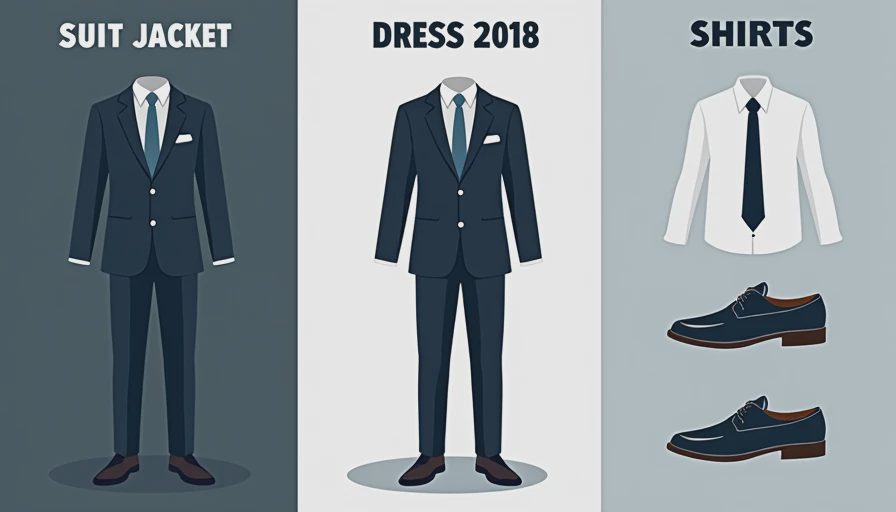
If you need one no-thinking outfit, make it a navy suit, a white shirt, a burgundy tie, black cap-toe oxfords, and a black belt that matches the shoes. That combination works for most weddings, client dinners, and boardroom meetings. If the event is warmer, a lighter wool suit or an unlined jacket will breathe better than heavy fabric. If the event is in winter, a dark overcoat over the suit looks calmer than trying to layer a sport coat and hope for the best.
I keep one outfit like that ready to go on a hanger with the shoes cleaned and the shirt pressed. It saves time when somebody at school needs a ride or the calendar changes at the last minute, which is most weeks in a house with kids.
A quick check before you walk out the door
Before I leave, I do a five-second mirror test. Jacket closed, collar flat, tie centered, shirt cuffs even, pants hem not dragging, shoes clean. If I can spot a problem at the mirror, everybody else will too. I also look at the event itself. A wedding in a hotel ballroom asks for more polish than a holiday party at the office. A funeral asks for restraint. A client dinner asks for calm confidence, not a fashion statement.
If you only remember one thing, make it this: buy one outfit that fits your real life and keep it ready. That is what for men formal dress should do. It should take stress off the morning, not add another decision to it. Start with the navy suit, fix the fit, keep the shoes clean, and you will be dressed on purpose.


No notes yet — write the first.