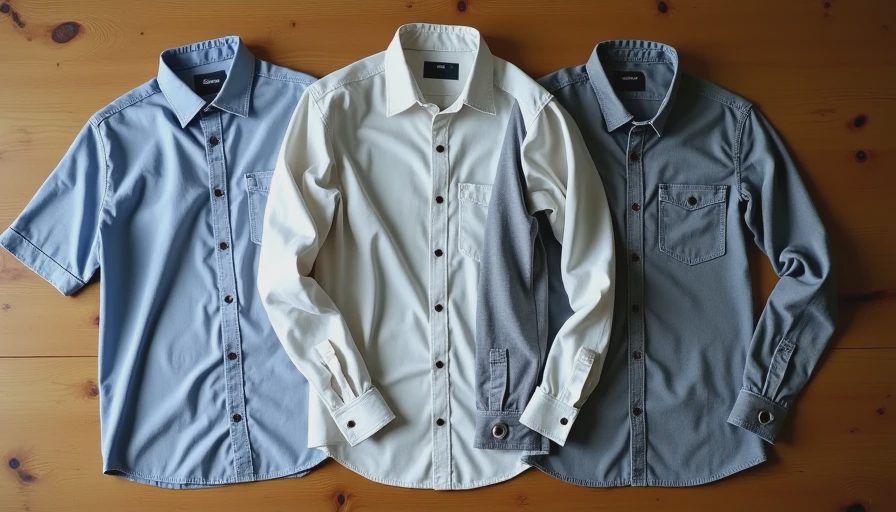
Why I Decided to Torture Test My Shirts
After the big closet purge, I wanted to get serious about quality. Talking about clothes is one thing. Living in them day after day is another. So I picked five shirts I already owned and committed to wearing only those for 30 days straight — no backups, no cheating.
The shirts were:
A classic light blue oxford
A white pinpoint dress shirt
A lightweight chambray work shirt
A soft gray polo
A patterned casual button-down
I tracked every wear in the spreadsheet, noted wrinkles, stains, fading, and how they held up through real life. The results were more interesting than I expected.
The Real-Life Gauntlet
Kansas City weather in late spring gave me everything: 85-degree days with humidity, sudden thunderstorms, backyard barbecue smoke, bike rides along the Katy Trail, client meetings, kids’ birthday parties, and normal office days.
Each shirt got exposed to:
Barbecue sauce and brisket smoke
Sweat from chasing kids and bike rides
Coffee spills during rushed mornings
Car seat wrinkles after long drives
Regular washing and drying
This wasn’t some gentle office test. This was dad-mode activated.
The Survivors and the Casualties
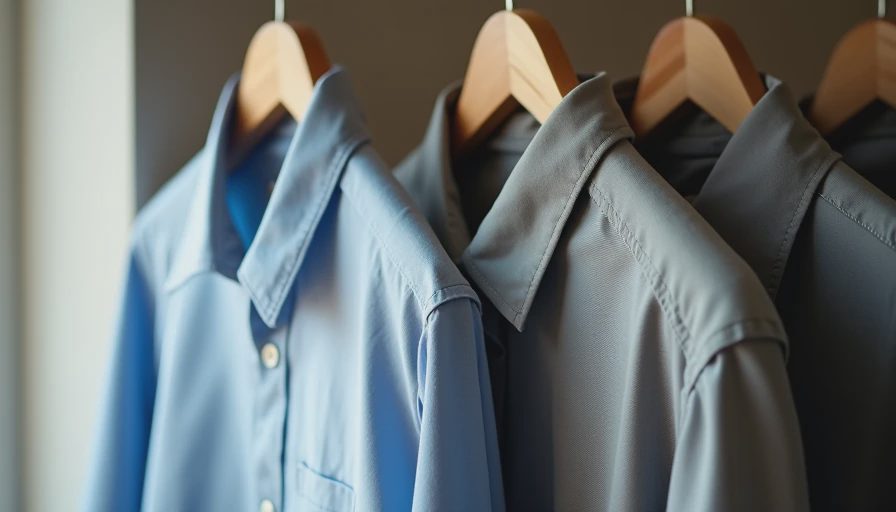
The Clear Winners:
The Light Blue Oxford This one crushed it. After 30 days and multiple washes, it still looked sharp. Minimal wrinkling, held color perfectly, and the fabric felt better with age. Cost-per-wear dropped significantly. This is now a permanent staple.
The Chambray Work Shirt Surprisingly tough. The textured fabric hid minor stains and wrinkles beautifully. It transitioned from casual Friday to weekend grilling without missing a beat. Still looks great.
The Okay but Not Great:
The White Pinpoint Shirt Looked crisp at first but showed every speck of dirt. Required way more ironing than I wanted. It survived but needs careful handling.
The Underperformers:
The Gray Polo Pilled noticeably after repeated washing and wearing. Collar started curling. Comfortable but didn’t maintain appearance.
The Patterned Button-Down The pattern hid some stains but the fabric felt cheap after a few washes. Started looking tired quickly.
What the Data Actually Showed
The spreadsheet doesn’t lie. The two winners accounted for most of my positive “felt good in it” scores. They also had the lowest maintenance time — important when you’re trying to get out the door with kids.
Key factors that mattered:
Fabric weight and weave: Heavier oxfords and textured fabrics held up better
Color choice: Mid-tones and subtle patterns hide real-life mess better than bright white or solid darks
Construction quality: Reinforced seams, quality buttons, and proper stitching made a huge difference
Breathability: Critical for Midwest humidity and active days
Practical Lessons for Your Own Wardrobe
You don’t need to do a full month test (though I recommend trying it with a couple items). Just pay attention to what holds up after 8-10 wears and washes.
Look for:
Single-needle stitching or reinforced stress points
Mother-of-pearl or quality buttons that don’t crack
Fabrics with a bit of structure but still comfortable
Colors that work with your existing pants (remember those three key pairs?)
Since the test, I’ve been much more intentional. When I buy new shirts now, I know exactly what to look for.
How This Changed My Shopping Habits
I stopped buying “pretty good” shirts on sale. I’d rather have three excellent ones than eight mediocre ones. The cost-per-wear math is now crystal clear in my head before I click “add to cart.”
My closet feels more confident. Every shirt there has been tested in the wild. No more surprises.
For Guys Who Actually Live in Their Clothes
Most style advice assumes you sit in an air-conditioned office all day. That’s not most of our reality. We need shirts that can handle temperature changes, physical activity, occasional kid chaos, and still look decent by afternoon.
The five-shirt challenge proved that durability and versatility matter more than brand names or trends. The shirts that survived earned their place through real performance.
Try Your Own Mini Test
Pick three shirts you wear often and track them intentionally for two weeks. Note what works and what doesn’t. You’ll quickly see patterns that help you buy better next time.
The goal isn’t perfection. It’s having clothes that make your life slightly easier and help you show up looking like you’ve got it together — even when the morning has been pure chaos.
Two shirts out of five survived with honors. Those two now get rotated more than anything else in my closet. Sometimes the best lessons come from keeping it simple and paying attention to what actually works.


No notes yet — write the first.