The Tuesday Morning That Started It All
It was a random Tuesday in early 2023. I stood in our Brookside bedroom at 7:14 a.m. while Molly yelled from the kitchen that she couldn’t find her lunchbox. I had maybe six minutes before we needed to be out the door. My closet looked like a bomb went off — dress shirts mixed with old polos, pants I hadn’t worn in two years, and a pile of “maybe” items on the chair.
I grabbed whatever looked decent, threw it on, and rushed out. Later that day my boss pulled me aside after a client meeting and said, “You need to look the part, Brett.” Not mean, just honest. That stung. I was 39, doing well in my job, but my clothes told a different story.
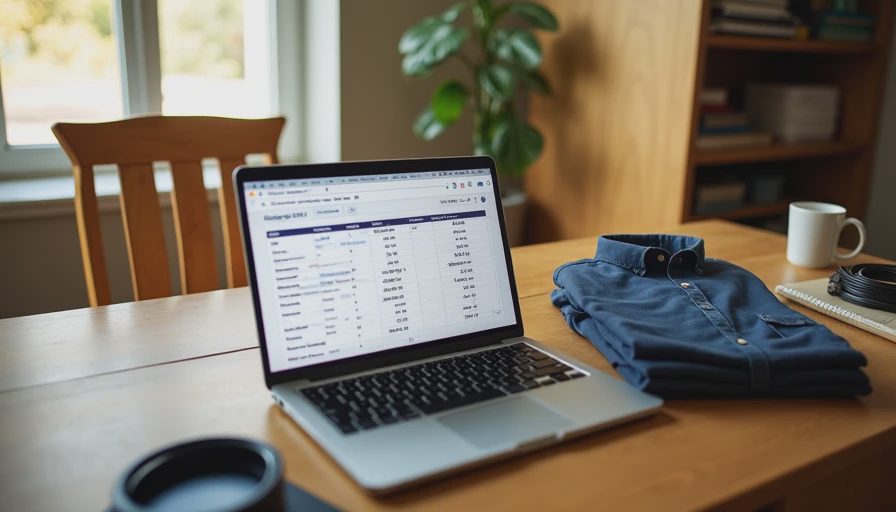
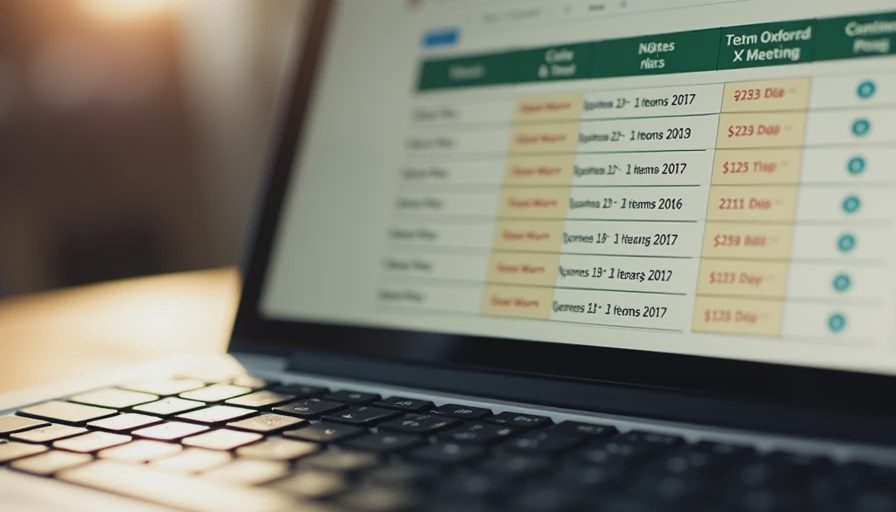
That night I opened a simple Google Sheet. One tab for purchases, one for daily outfits, columns for date, items worn, cost, and notes. I figured I’d track for a month. Three years later I’m still adding to it every single day.
What My Spreadsheet Actually Revealed
The first month was brutal. I discovered I owned 27 dress shirts but only wore about 5 of them regularly. The rest just hung there looking important. Same with pants. I had khakis from 2018 that I kept “just in case,” but they made me look like I borrowed my dad’s clothes.
Cost-per-wear numbers don’t lie. That expensive “investment” blazer I bought on sale? I wore it twice in 14 months. Cost per wear was ridiculous. Meanwhile my favorite navy chinos from a local KC shop? Worn 47 times and still looking sharp. The math was embarrassing but incredibly useful.
I started color-coding the sheet — green for items I actually reached for, yellow for occasional, red for dead weight. My wife Jenna still teases me about it, but she’ll admit the results are hard to argue with.
The Unexpected Benefits Nobody Talks About
Tracking outfits forced me to get honest about my actual life. I’m not a SoHo guy who needs perfect tailoring for runway meetings. I’m a Kansas City dad who needs clothes that survive:
Client meetings in Overland Park
Smoking brisket in 95° heat
Chasing kids at the neighborhood park
Bike rides along the Katy Trail
Once I saw the data, my shopping changed completely. No more impulse buys at the mall. I started thinking in terms of systems instead of individual pieces.
I also noticed patterns. Certain colors and cuts made me feel more confident in client meetings. Specific fabrics held up better through Midwest weather swings. The spreadsheet became my personal style lab.
How the Spreadsheet System Actually Works
It’s simpler than it sounds. Every evening (or next morning if I’m tired) I spend 60 seconds logging what I wore. Columns include:
Date
Top / Bottom / Shoes / Outer layer
Occasion (work, weekend, date night, etc.)
How I felt in it (1-5 scale)
Notes (wrinkled by lunch, held up great in heat, etc.)
Once a quarter I run some quick calculations. Total cost divided by wears. Items never worn get flagged for the purge pile.
The real magic happened around month six. I could look at the data and say with confidence: “These five shirts cover 80% of my work needs.” That’s when the guys at the office started noticing I looked more put-together without trying harder.
What Changed in My Daily Life
I stopped standing in front of the closet like a lost kid. Mornings are calmer. I grab clothes that I already know work together because the data proved it.
My confidence went up. Not because I suddenly became fashionable, but because I knew I wasn’t guessing anymore. There’s something powerful about wearing clothes you’ve tested in real life.
Even my marriage got a little upgrade. Jenna no longer has to answer the dangerous question “Does this look okay?” because I already have the data.
The Bigger Lesson for Regular Guys
You don’t need to be a fashion guy to dress better. You just need a system that fits your actual life.
Most style advice online comes from 25-year-olds in big cities who get free clothes from brands. That’s not my reality, and it’s probably not yours either. I’m a commercial insurance claims adjuster who grills on weekends and builds stuff in the garage. My advice has to work for that life.
The spreadsheet forced me to stop consuming and start observing. That shift changed everything.
Getting Started With Your Own System
You don’t need anything fancy. A simple spreadsheet or even a note on your phone works. Track for 30 days and you’ll be shocked at what you learn.
Start with these questions:
What do I actually wear most often?
Which items make me feel confident?
What keeps getting worn versus what sits unused?
The answers will guide your next purchases better than any magazine or influencer ever could.



No notes yet — write the first.