Tuesday morning, 7:14, and I am standing in front of my closet while Molly looks for her lunchbox. I have six minutes before the school run, and the usual question shows up: what does a grown man actually wear? Men's clothing in 50's does not need to mean stiff suits, expensive labels, or dressing like a 25-year-old who works in a downtown coffee shop. It means building a closet that fits your current life and makes getting dressed easier.
I started taking this seriously at 38, after a boss told me I needed to look more polished in client meetings. Three years and a color-coded spreadsheet later, I learned that the best wardrobe is not the biggest one. It is a small group of pieces that fit properly, work together, and survive real weekends, office days, and family dinners.
Start with fit, not fashion
Fit is the first rule of men's clothing in 50's because a plain shirt that fits well will beat a trendy shirt that pulls across the stomach or hangs past the seat. You do not need a model's body. You need shoulders that sit where your shoulders sit, sleeves that end near the wrist bone, and trousers that rest comfortably without folding into a pile around your shoes.
When I buy a shirt, I check the collar first. I should be able to slide one or two fingers between my neck and the collar without feeling squeezed. Then I raise my arms, sit down, and look at the buttons. If the fabric strains, the shirt is not going to become more comfortable at home. A tailor can shorten sleeves or trousers for roughly $15 to $35 in many areas, and that adjustment often makes a $45 shirt look more expensive than it is.
For jackets, the shoulder seam deserves the most attention. If it ends beyond your shoulder, the jacket looks borrowed. If it sits too far inside, movement becomes awkward. A clean shoulder and a jacket that closes without tugging will do more for you than a fashionable pattern.
Build a useful color system
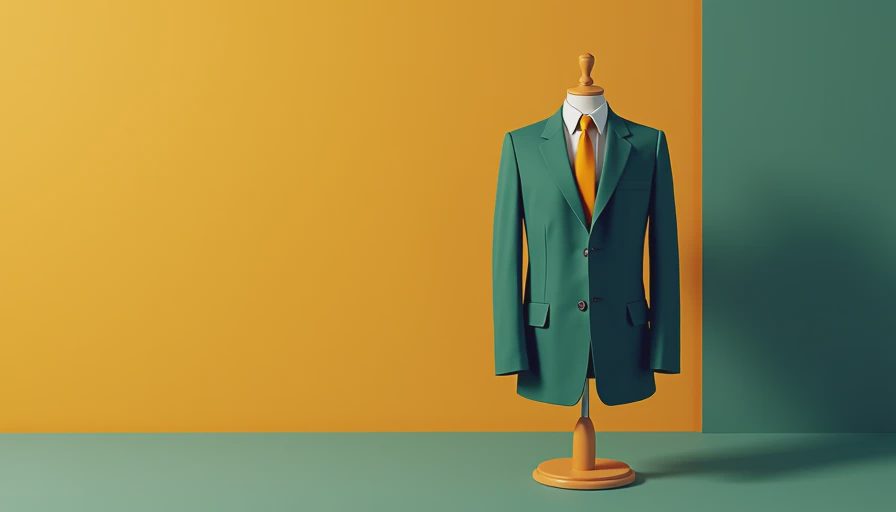
Men's clothing in 50's gets easier when most pieces share a simple color plan. My own closet runs on navy, charcoal, medium gray, olive, white, light blue, and tan. These colors do not demand much thought. A navy overshirt works with jeans, khakis, or gray trousers. A light blue Oxford shirt works under a sweater, beneath a sport coat, or by itself.
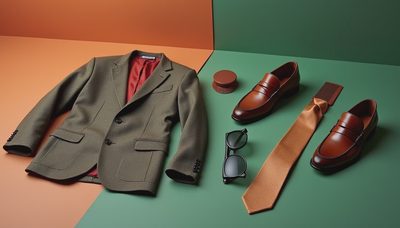
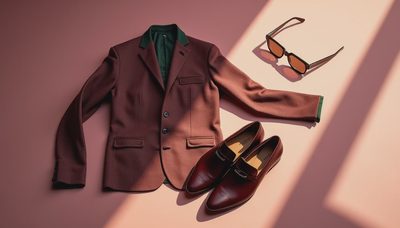
You can add personality without turning every morning into a puzzle. Try a burgundy sweater, a rust-colored overshirt, or a patterned pocket square. The key is to make one item the interesting part of the outfit. If your shirt has a bold check, keep the pants and shoes quiet. If you wear a textured jacket, use a solid shirt underneath.
Black is useful, but it does not need to dominate your closet. Dark brown leather shoes often pair more naturally with navy, denim, olive, and khaki. A medium-brown belt and matching shoes can make casual clothes look intentional without looking like you dressed for a wedding.
The core wardrobe I actually use
The most practical approach to men's clothing in 50's is to buy fewer items and wear them more often. A starting wardrobe might include two pairs of dark jeans, two pairs of chinos, one pair of gray wool-blend trousers, three Oxford shirts, two casual button-downs, two merino or cotton sweaters, one unstructured sport coat, one weather-resistant jacket, and two pairs of leather shoes.
That list is not a shopping mandate. It is a test for gaps. If you own five jackets but only one pair of trousers that fits, another jacket will not solve the morning problem. If your shirts are all blue, a white or soft gray option may give you more combinations than another blue shirt.
For casual clothing, straight or gently tapered jeans usually offer a balanced shape. Extremely slim jeans can feel restrictive, while very loose jeans can overwhelm a shorter jacket. Chinos are especially useful for men who want something between denim and office trousers. Look for a flat front, a clean waistband, and enough room to sit comfortably.
Dress for the actual places you go
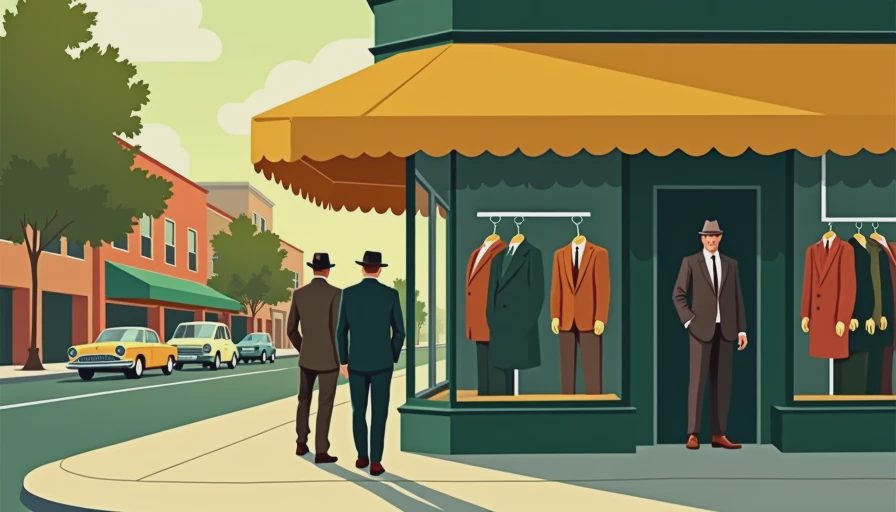
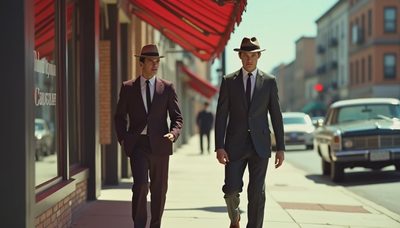
Good men's clothing in 50's should handle the places you really visit: the office, a school event, a restaurant, a hardware store, and somebody's backyard. A navy knit blazer with an Oxford shirt and dark jeans can cover a client lunch and a date night. Swap the jeans for gray trousers and leather loafers, and the same jacket moves into a more formal setting.
For weekends, try a clean T-shirt under an overshirt with straight-leg jeans and casual leather sneakers. This works better than wearing a polo shirt that is too tight or a graphic tee that looks like it came from a college dorm. The goal is not to appear dressed up everywhere. The goal is to look like you chose the outfit instead of finding it on the floor.
Weather matters, especially here in Kansas City. A light quilted vest, field jacket, or chore coat gives a simple outfit more structure during spring and fall. In winter, a wool topcoat over a sweater and collared shirt looks put together without requiring a suit.
Spend money where it shows
My spreadsheet tracks cost per wear, and the numbers usually favor dependable basics. A $120 pair of shoes worn 100 times costs $1.20 per wear. A $40 shirt worn twice costs $20 per wear. That does not mean every expensive item is wise, but it does show why construction and comfort matter.
Put more of your budget toward shoes, outerwear, and trousers because those pieces take daily punishment. You can often save on T-shirts, casual shirts, and seasonal layers. Brands such as Uniqlo, J.Crew Factory, Lands' End, Banana Republic Factory, and department-store house labels can be useful places to compare fabric, fit, and sale prices. I look at the garment first and the label second.
Before buying, ask three questions: Can I wear this with at least three things I own? Will I still want it in three years? Can I sit, drive, bend, and walk in it? If the answer is no, leave it on the rack. The best men's clothing in 50's earns its place through repeated use, not a flattering changing-room mirror.
A five-minute morning formula
When time is tight, use a simple formula. Start with one neutral base: dark jeans, chinos, or gray trousers. Add a solid shirt. Add one layer, such as a cardigan, overshirt, blazer, or field jacket. Finish with clean shoes and a belt that does not fight the shoes.
If the outfit feels dull, change only one element. Add a textured sweater, roll the shirt sleeves once, or choose a watch with a simple leather strap. Do not add three loud details at once. A small amount of contrast makes the outfit look considered.
I also keep five complete combinations on hangers for busy mornings. This saves time when Wyatt cannot find his soccer socks and I am trying to get out the door. Photographing outfits on your phone works just as well. After a month, you will know which combinations you actually wear and which ones looked better in theory.
The takeaway
Men's clothing in 50's is not about hiding your age or pretending to be someone else. It is about clothes that respect your time, your body, and the places you spend your days. Start with fit, choose a restrained color palette, buy useful layers, and tailor the pieces that are almost right.
Tomorrow morning, pull out one pair of trousers, one shirt, one layer, and your cleanest comfortable shoes. Take a quick photo before leaving. If the proportions look balanced and you can move without adjusting everything, you have a workable uniform. That is the whole point of being dressed on purpose: fewer decisions, better clothes, and no need to explain what you are wearing.
No notes yet — write the first.