Tuesday morning, 7:14, Molly cannot find her lunchbox, and I am staring at my closet with six minutes before school drop-off. That is not the moment for a complicated outfit. Still, the question of 70s dress for men comes up often because the decade had something modern wardrobes sometimes lack: clothes with a little personality. The trick is taking the useful parts without walking into a party dressed as a movie extra.
I have tested this in Kansas City, at client meetings, backyard dinners, and family events where nobody asked for a history lecture about my shirt. My spreadsheet says the best vintage-inspired pieces are the ones I can wear three different ways. That is the standard here. You are not rebuilding your closet. You are finding a few durable ideas that still make sense in 2025.
What 70s Dress for Men Actually Means Today
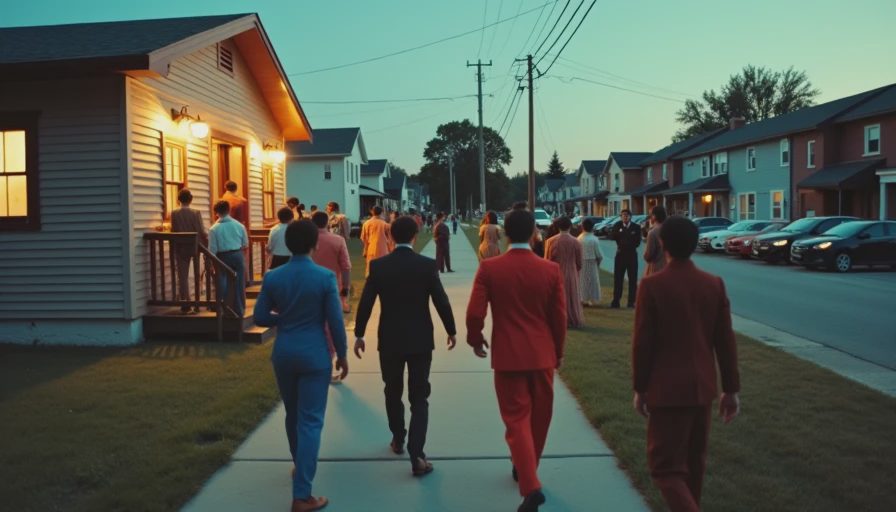
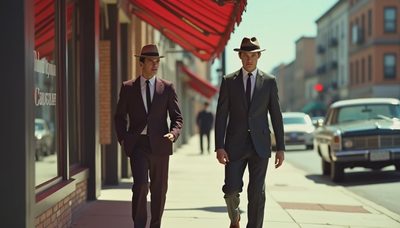
When people hear 70s dress for men, they often picture wide collars, shiny polyester, enormous flares, and a brown suit that belongs in a disco film. Those details existed, but they were only one corner of the decade. Everyday men also wore straight-leg jeans, textured cotton shirts, corduroy jackets, crewneck sweaters, leather shoes, and simple outerwear.
For a grown man with an office job and a mortgage, the goal is not perfect historical accuracy. It is recognizable influence. Choose one noticeable 1970s detail and keep the rest quiet. A rust-colored overshirt with dark jeans works. So does a cream knit polo with navy trousers. Add a whole collection of loud details at once, and the outfit starts looking like a Halloween decision.
Fit matters more than the label on the garment. A little room through the chest and thigh can suggest the period without looking sloppy. Your shirt should not pull across your stomach, and your pants should not puddle around your shoes. Think relaxed, not oversized. That distinction is what keeps the outfit useful after the themed party ends.
Start With Color and Texture
The easiest entry point is color. The 1970s favored earthy shades such as tobacco brown, olive, rust, mustard, cream, chocolate, and muted orange. These colors are easier to wear when balanced with navy, charcoal, denim, or white. A rust overshirt over a plain white T-shirt is more practical than a head-to-toe orange outfit, and it will not make your wife ask whether you lost a bet.
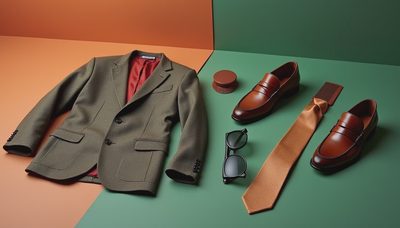
Texture does a lot of the work, too. Corduroy, suede, brushed cotton, wool, and waffle knits add visual interest without requiring a loud pattern. A medium-wale corduroy jacket in olive or tan is especially useful. Wear it with jeans on Saturday, chinos for a casual office, or dark trousers for dinner. If you buy one piece, buy the piece that can handle those three jobs.
Patterns need a little restraint. Small checks, understated stripes, and geometric prints can work well. Very large floral prints and glossy fabric are harder to use outside a costume setting. Before buying, ask whether you would wear the item with the two most reliable pieces in your closet. If the answer is no, leave it on the rack.
Shirts That Do Not Feel Like a Costume
A shirt is where most attempts at 70s dress for men either succeed or go sideways. Start with a camp-collar shirt, knit polo, or button-down made from cotton or a cotton blend. A camp collar lies flat instead of standing up, giving the shirt a relaxed shape. It works open over a T-shirt or buttoned with jeans and loafers.
Collar size deserves attention. A modest point or spread collar looks intentional; an exaggerated collar can turn a normal outfit into a costume immediately. Look for a shirt hem that reaches the top half of your pants rather than hanging down to your thighs. That small proportion change makes a tucked or untucked outfit look cleaner.
For patterns, I like a small geometric print in cream and brown, or a muted stripe in blue and rust. Keep the shirt's material matte. Shiny satin catches light in every direction and tends to look theatrical unless you are attending an actual theme event. A knit polo in cream, burgundy, forest green, or navy is probably the most useful single purchase for this style.
Pants, Jackets, and Shoes
The right pants keep 70s dress for men grounded. Straight-leg or gently relaxed jeans are the safest choice. Dark indigo looks more polished, while medium blue denim feels more casual. Corduroy trousers can work, but choose a medium or fine wale and a straight leg. Extremely wide trousers are difficult to balance and usually become the first thing people notice.
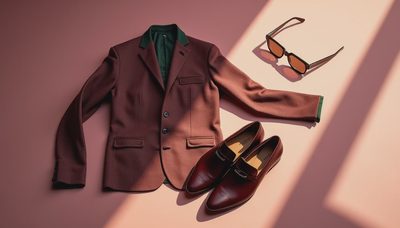
A jacket should add shape without making you look like you borrowed your little brother's clothes. Try a trucker jacket, corduroy overshirt, suede-style bomber, or softly structured sport coat. Brown, tobacco, olive, and navy are flexible colors. If you already own a navy blazer, pair it with a textured shirt and dark jeans rather than buying a new jacket just for the decade reference.
Shoes should stay simple: suede chukka boots, leather loafers, plain derbies, or clean low-profile sneakers. Platform soles and pointed toes are optional, not required. A pair of brown suede chukkas can support several outfits and usually earns more wears than a novelty shoe. In my closet log, versatility beats accuracy almost every time.
Three Outfits I Would Actually Wear
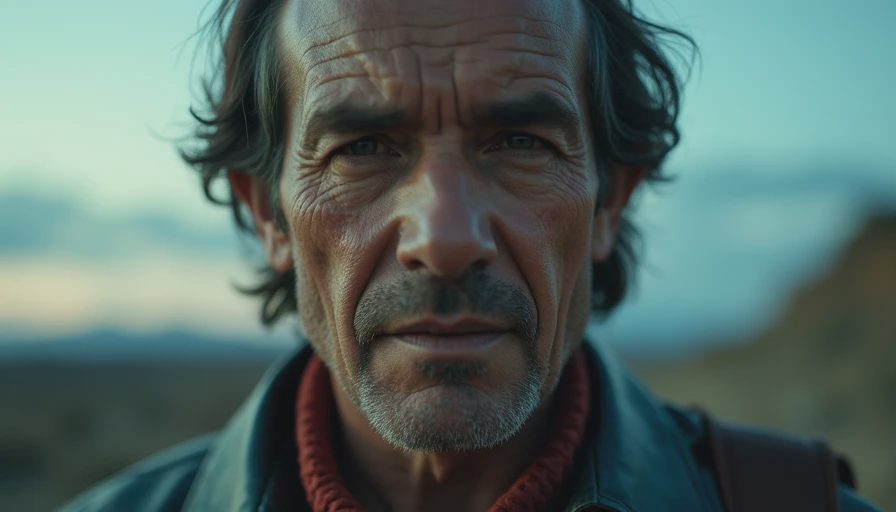
For a casual Friday, I would wear dark straight-leg jeans, a cream knit polo, brown suede chukkas, and an olive corduroy jacket. The polo provides the period reference, while the dark denim keeps the outfit familiar. Remove the jacket indoors and you still have a complete outfit.
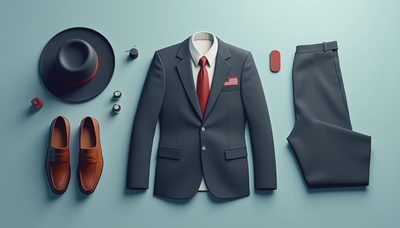
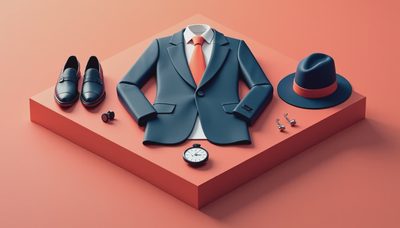
For dinner, try tobacco chinos, a navy camp-collar shirt with a small cream pattern, and dark brown loafers. Tuck the shirt if the hem is short enough; otherwise leave it untucked and let the collar do the work. A simple watch and a brown leather belt are enough. No large medallion necklace is needed unless you genuinely like wearing one.
For a weekend gathering, medium-wash jeans, a white T-shirt, a rust overshirt, and clean canvas sneakers are hard to beat. The color gives you the decade connection, and the base outfit is still ordinary enough for a grocery run. This is the version I would suggest to a man testing the idea for the first time.
A Practical Buying Plan
You do not need six new pieces. Start by checking what you own. Pull out one pair of straight jeans, one neutral sneaker or boot, and one dark trouser. Then add only the missing layer. If your closet already has enough pants, a textured shirt will provide more value than another pair of trousers.
Set a reasonable budget before shopping. A solid shirt might cost $30 to $80, a corduroy overshirt around $50 to $150, and a dependable pair of leather or suede-style shoes roughly $80 to $200. You can spend more, but price alone does not guarantee better fit. I have owned expensive pieces that sat unworn and inexpensive shirts that reached fifty wears.
Try everything on with your actual shoes. Pants that look fine with sneakers can break awkwardly over boots. Take a quick phone photo from the front and side. If the first thing you see is the garment rather than the person wearing it, reduce the volume, simplify the color, or remove one period detail.
The Dressed on Purpose Takeaway
Good 70s dress for men is less about copying a decade and more about making a plain outfit feel considered. Use one earthy color, one useful texture, or one relaxed shirt shape. Keep the fit comfortable, the shoes dependable, and the rest of the outfit quiet enough for real life.
Tomorrow morning, try the easiest version: dark jeans, a cream or patterned shirt, brown shoes, and one jacket with texture. Take a look in the mirror before adding anything else. If you feel like yourself, just slightly better organized, you are on the right track. That is dressed on purpose.
No notes yet — write the first.