Tuesday morning, 7:14, Molly cannot find her lunchbox, Wyatt needs a permission slip, and I am staring at my closet with six minutes before school drop-off. On mornings like that, 1950s mens fashion gives me a useful shortcut: a clean shirt, straight trousers, a simple jacket, and shoes that look intentional. No runway knowledge required. The point is not to dress like you are headed to a costume party. It is to borrow the practical pieces and tidy proportions that made mid-century clothing work in the first place.
What 1950s mens fashion actually looked like
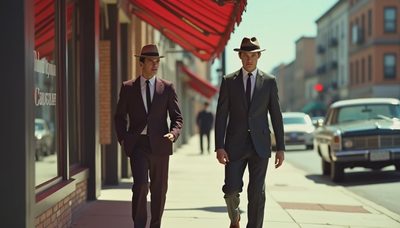
The popular image is usually a movie star in a sharp suit, but everyday 1950s mens fashion was broader than that. Men wore sport shirts, knit polos, high-waisted trousers, cardigans, simple jackets, and sturdy leather shoes. A suit was common for business, church, weddings, and formal dinners, but it was not the only uniform available.
The useful lesson is that clothing had clear jobs. Work clothes looked like work clothes. Weekend clothes were relaxed without being sloppy. Jackets ended around the hip, trousers usually sat higher on the waist, and shirts were sized to the body instead of hanging like tents. That last point matters now. If your shirt is too long and your pants are too low, the whole outfit can look borrowed, even when every item was expensive.
I am not suggesting you replace your closet with vintage reproductions. In my spreadsheet, a $40 shirt worn thirty times beats a $140 shirt worn twice. Start with shape, color, and repeatability.
Build the shirt rotation first
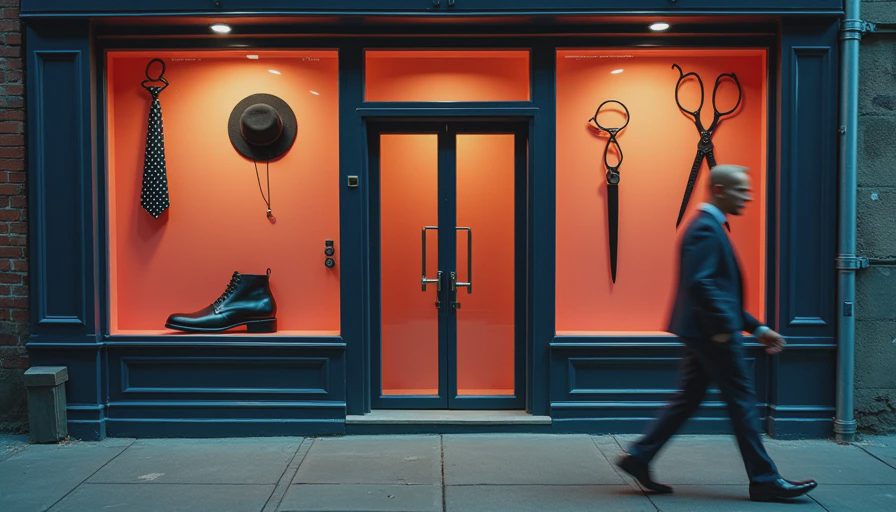
Shirts are the easiest place to use 1950s mens fashion without looking theatrical. Begin with three or four button-up shirts in white, light blue, soft gray, or a restrained stripe. Oxford cloth works well because it has enough texture for weekends but still looks credible under a sport coat. A short-sleeve camp shirt can also work in summer, especially with an open collar and straight trousers.
The fit should follow your shoulders without pulling across your stomach. The sleeve should end close to the wrist bone, and the shirt tail should stay tucked when you sit down. If you prefer untucked shirts, choose a shorter cut made for that purpose rather than wearing a regular dress shirt outside your pants.
Knit polos are another practical option. Look for a collar that holds its shape and fabric that does not cling. Navy, cream, forest green, and burgundy are easier to combine than loud novelty prints. A polo with dark jeans and suede-style loafers can handle a casual office, dinner with your wife, or a Saturday hardware-store run.
Trousers, denim, and the right amount of room
The 1950s mens fashion approach to trousers was generally fuller than what many stores sell today. That does not mean wearing enormous pants. It means allowing enough room to sit, walk, and carry a wallet without fabric pulling at the pockets. A straight or gently tapered leg usually gives a grown-up outline without making you look like you are wearing your son's jeans.
Try mid-rise or higher-rise trousers if low-rise pants make your torso look long and your legs look short. The rise is the distance from the waistband to the crotch; in plain English, it determines where the pants sit on you. Trousers should rest comfortably at the waist, not require a belt to prevent sliding down.
For a starting rotation, consider navy chinos, medium-gray wool-blend trousers, olive cotton pants, and dark straight-leg denim. A pair in the $50 to $100 range can serve you for years if the fabric and stitching hold up. Hem length matters more than brand. A small break, where the fabric lightly folds over the shoe, is forgiving and easy to wear.
Jackets that make ordinary clothes look finished
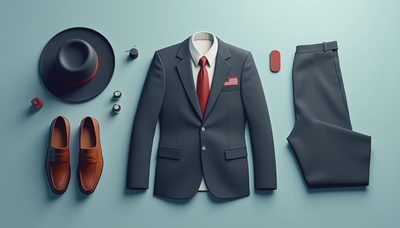
A jacket is the fastest way to make basic clothes appear planned. The 1950s mens fashion wardrobe often used sport coats and casual jackets as everyday tools, not precious items reserved for special occasions. That is still useful for a modern dad who needs one outfit to cover a client meeting and dinner at home.
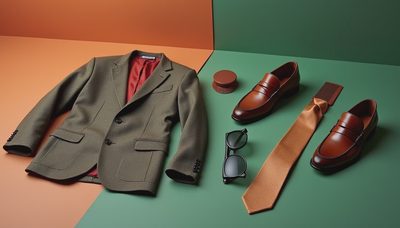
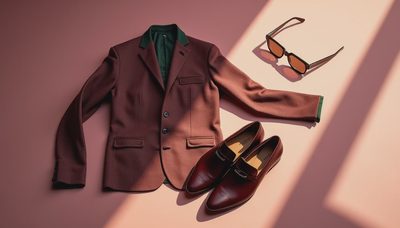
Try an unstructured navy blazer, a brown tweed-style sport coat, or a cotton chore jacket. Unstructured means the jacket has less padding and stiffness, so it feels more like clothing and less like armor. The shoulder seam should sit near your actual shoulder. If it falls halfway down your upper arm, the jacket is too big, no matter how good the sale price looks.
A jacket should coordinate with your trousers without matching them exactly. Navy over gray works. Brown over denim works. Olive over cream or blue works. Avoid combining a jacket and pants that are almost the same color but not quite; that usually looks like a suit separated by accident.
Shoes and accessories that do the quiet work
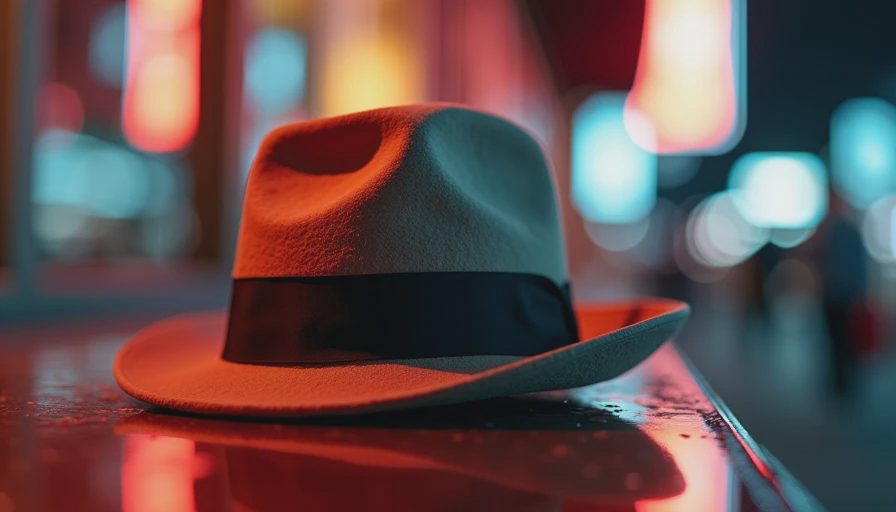
Shoes can pull the whole 1950s mens fashion idea together, but they do not need to be vintage. Brown leather derbies, penny loafers, chukka boots, and clean canvas sneakers cover most real-life situations. Black leather is useful for formal clothing, while brown is easier with chinos, denim, and earth tones.
Keep the shape simple. Extremely pointed toes, giant soles, and heavy decoration can make an otherwise sensible outfit feel dated in the wrong way. A plain leather belt should be close in color to your shoes, although it does not need to be an exact match.
Accessories should stay useful. A modest watch, wool scarf, knit tie, or leather briefcase can add character. You do not need suspenders, a fedora, and a pocket square at the same time. One noticeable detail is usually enough. I learned that after wearing a tie bar, patterned socks, and a loud pocket square to a work dinner. Jenna took one look and said I appeared to be trying to win a trivia contest.
Three outfits you can wear this week
The simplest 1950s mens fashion outfit for Monday is a light-blue Oxford shirt, navy chinos, brown derbies, and a gray cardigan. It is comfortable in a car, presentable at the office, and easy to adjust if the day includes school pickup.
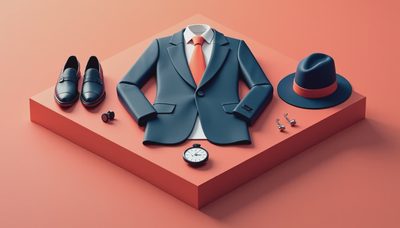
For a Friday office, try a knit polo, gray trousers, loafers, and an unstructured navy blazer. The polo keeps the outfit relaxed while the jacket gives it enough structure for a conversation with a client. Tuck the polo in if the trousers sit at your natural waist; leave it untucked only if the hem is cut short enough.
For a weekend, wear a cream T-shirt or camp shirt with dark straight-leg denim, a cotton chore jacket, and clean canvas sneakers. Roll the sleeves once or twice, not to the elbow unless the weather demands it. The result feels comfortable and deliberate rather than dressed up for a photo shoot.
A sensible way to shop the look
Do not begin by searching for a complete vintage wardrobe. Open your closet and identify the item that causes the most daily trouble. If every shirt is too long, fix that first. If your shoes are worn through, replace those before buying another jacket. A tailor can shorten sleeves or trousers for roughly $15 to $40 in many areas, which is often better value than replacing a garment.
Use a three-question test before buying: Can I wear this with at least three things I own? Would I still like it in three years? Will I actually wear it on an ordinary Tuesday? If the answer is yes, the purchase has a chance of earning its place. If not, leave it on the rack.
The best part of 1950s mens fashion is not nostalgia. It is the discipline of making clothes fit, choosing useful colors, and getting dressed with a little purpose. Start tomorrow with a tucked shirt, straight trousers, and clean shoes. That small change is enough to look more put together without looking like you are pretending to be somebody else. Dressed on purpose.
No notes yet — write the first.