Tuesday morning, 7:14, Molly cannot find her lunchbox, and I am staring at my closet with six minutes to spare. This is where young male fashion advice usually loses me. It shows a 24-year-old in a spotless apartment explaining three kinds of jackets I will never wear to a client meeting. I am 42, live in Kansas City, and need clothes that survive school pickup, office lighting, and a barbecue without making me look like I am trying too hard.
That is the useful version of young male fashion: not runway clothing or a closet full of logos, but a small system of dependable pieces. You want to look intentional without spending Saturday afternoon arguing with a fitting-room mirror. Here is what has worked for me, tracked in a color-coded spreadsheet since 2023.
Start With Fit, Not Labels
Fit means the shape of the garment works with your body. It does not mean squeezing into a smaller size or buying an expensive designer cut. A shirt should sit flat across your chest, with shoulder seams landing near the edge of your shoulders. You should be able to pinch roughly an inch of fabric at the sides without feeling wrapped in a tent. Sleeves should end near the wrist bone, not halfway down your hand.
Pants are where many otherwise solid outfits fall apart. Try a medium or straight cut before reaching for an extreme skinny or oversized style. The waistband should stay in place without a belt doing all the work, and the hem should make a small break over your shoe instead of pooling around it. If your weight changes, a tailor can often adjust a waistband or hem for $15 to $40, which is cheaper than replacing good trousers.
Young male fashion becomes much less confusing when you treat fit as a measurement problem. Bring one pair of pants that fits well when shopping, take basic measurements, and stop guessing based on a tag.

Build a Color System You Can Actually Use
I used to buy shirts one at a time, usually because the color looked interesting under store lights. The result was a closet full of isolated items and very few complete outfits. A simpler approach is to choose a base of navy, gray, olive, tan, white, and medium blue. These colors cooperate, so you can get dressed while thinking about whether Wyatt finished his homework.
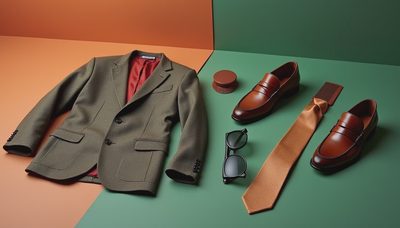
For example, navy chinos can work with a white oxford shirt, a gray crewneck sweater, or an olive overshirt. Dark jeans can handle a blue chambray shirt, a burgundy flannel, or a plain gray T-shirt. Tan chinos give you a lighter option without becoming dressy. You do not need every color; you need pieces that connect.
Young male fashion often treats color as a way to stand out. For normal American work and family life, color is more useful as a way to create combinations. Add one noticeable item, such as a rust-colored overshirt, and keep the rest quiet. That looks considered without looking like you planned the outfit in a spreadsheet. I did plan it in a spreadsheet, but nobody needs to know that.
Buy Fewer Pieces That Earn Their Place
Price alone does not tell you whether clothing is a good purchase. I track cost per wear: purchase price divided by the number of times I use something. A $90 pair of chinos worn 45 times costs $2 per wear. A $35 pair worn twice costs $17.50 per wear, and the cheaper item was not the bargain.
Look for fabric and construction appropriate to the job. Cotton chinos with a little stretch are practical for commuting and sitting at a desk. A wool-blend sport coat handles client meetings better than a shiny synthetic jacket. For casual shirts, cotton, flannel, and textured knits tend to age more gracefully than thin fabric covered in loud graphics.
You do not need to buy everything at once. Replace the shirt that twists after washing, the shoes that hurt by lunchtime, and the jacket that makes every outfit look dated. Young male fashion works best as a gradual cleanup, not a dramatic closet purge. Keep a note on your phone with the item, price, and date purchased. After six months, you will know what you actually wear.
Make Casual Clothes Look Deliberate
Casual does not have to mean careless. Start with one structured piece. A clean overshirt, chore jacket, cardigan, or unlined cotton jacket gives a T-shirt and jeans some shape. Then keep the shoes in good condition. White leather sneakers, brown casual boots, and simple canvas sneakers cover most weekend situations without announcing a trend.
The difference between an ordinary outfit and a good one is often proportion. If the shirt is loose, keep the pants closer to a straight fit. If you choose wider pants, use a shorter jacket or tuck part of the shirt so your legs do not disappear. This is not fashion-school theory; it is the same visual problem as hanging a picture too high on a wall. The parts need to relate.
Young male fashion advice should leave room for real activities. I want to smoke brisket, carry lumber into the garage, and ride the Katy Trail without worrying about a delicate outfit. Choose clothes that can be washed, repaired, and worn again next week.

Dress for the Office Without Looking Costumed
Most offices now sit somewhere between formal business wear and jeans every day. That middle ground is useful. Try dark jeans or chinos with an oxford shirt, knit polo, or fine-gauge sweater. Add a navy blazer or textured jacket when the meeting matters. The goal is to look prepared, not like you borrowed a suit for a court appearance.
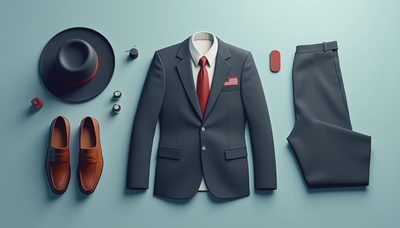
Shoes do quiet work. Brown leather derbies, loafers, or clean leather sneakers can cover many business-casual settings, though your workplace determines the final boundary. If you work around clients, keep one step-up outfit ready: gray trousers, a pale blue shirt, brown shoes, and a navy jacket. It is a dependable combination because the colors do not fight each other.
Young male fashion gets more practical when you build outfits around situations instead of trends. Make a small list: regular office day, important meeting, dinner out, weekend errand, and outdoor project. If one item works in three of those settings, it earns closet space.
A Simple Shopping Plan for the Next 30 Days
Week one, photograph five outfits you already wear. Notice which shirts, pants, and shoes appear repeatedly. Those are clues about your actual lifestyle. Week two, remove items that are uncomfortable, badly damaged, or impossible to combine. You do not need to throw them away immediately; move them out of the prime closet area and see whether you miss them.
Week three, buy the missing foundation piece, not the most exciting item. That might be navy chinos, a white oxford, or shoes that do not pinch. Set a spending limit between $75 and $150 for the first purchase, and inspect stitching, fabric weight, buttons, and return policy. Week four, wear the item at least three different ways before buying a companion piece.
This process is the part of young male fashion nobody films because it is not glamorous. It is also the part that saves money. A closet that supports your mornings is more valuable than one that looks impressive on a shopping website.
Dressed on purpose does not mean dressing expensively or following every rule. It means knowing why an item is there, how it fits, and what else it works with. Tomorrow morning, start with clean shoes, pants that fit, and a shirt in a color that connects to the rest of your closet. That is enough to move in the right direction.

No notes yet — write the first.