Tuesday morning, 7:14, Molly cannot find her lunchbox, and I am staring at my closet with six minutes before school drop-off. That is when good big and tall clothing earns its keep. The right shirt does not tug across your stomach, the right pants do not slide down while you are carrying groceries, and the right jacket lets you buckle a seat belt without feeling trapped. This is not about dressing like a model. It is about building a closet that works on a normal Wednesday.
I have spent the last three years tracking purchases, wears, and cost per wear in a spreadsheet. The useful lesson is simple: fit matters more than the label, and repeatable outfits beat impressive one-time purchases. Whether you are dressing for an office, a backyard barbecue, or a school concert, you can make better choices without turning your closet into a fashion project.
Start with measurements, not a size label
Big and tall clothing is not one universal shape. A big size usually adds room through the chest, waist, and seat. A tall size generally adds length to the body and sleeves. Some men need both; others need extra length but not much additional width. Buying by a familiar label alone is how a shirt ends up looking like a square tent or a jacket stops above your wrists.
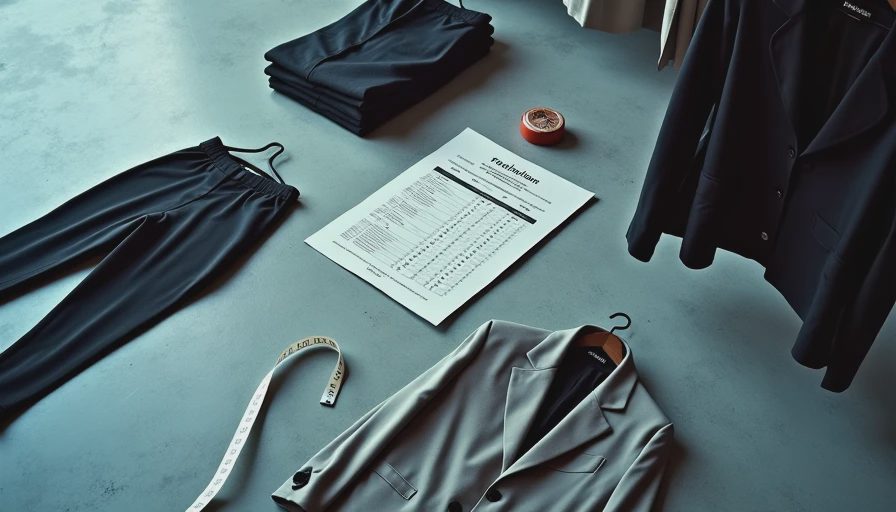
Measure your neck, chest, natural waist, inseam, and sleeve length with a soft tape. Keep those numbers in your phone. When shopping online, compare them with the garment chart rather than assuming a 2XL fits the same way everywhere. I also measure a shirt I already like from armpit to armpit and shoulder seam to hem. That gives me a real-world reference when a chart uses confusing terms.
For pants, pay attention to the actual waistband and rise. The rise is the distance from the crotch to the top of the waistband; a higher rise often sits more comfortably on a fuller midsection. You should be able to place two fingers inside the waistband without forcing it. If you need a belt to keep pants from falling, the waist is probably too large, even if the legs fit.
Build around shirts that do more than one job
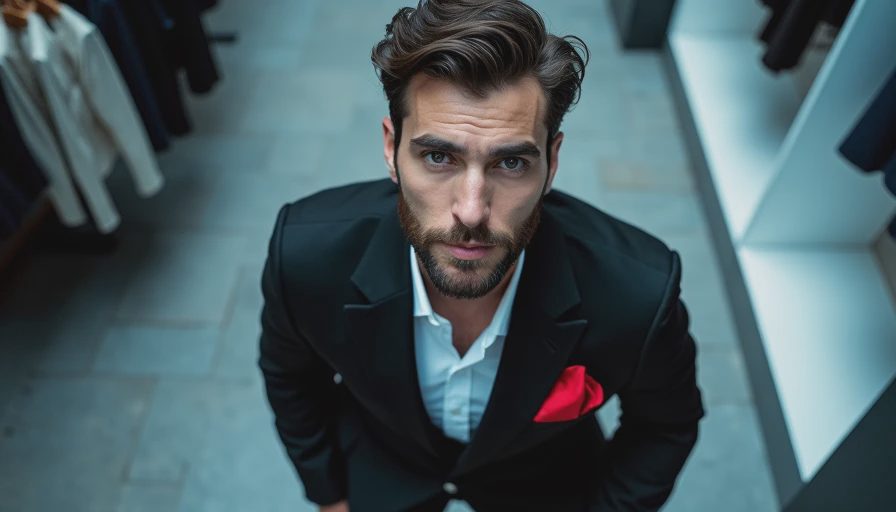
A practical big and tall clothing closet starts with shirts you can wear at least two ways. Look for an oxford shirt that works with chinos and a sport coat, a knit polo for casual office days, and plain crew-neck or henley shirts for weekends. Medium-weight cotton, cotton blends, and performance fabrics can all work; the best choice depends on how hot your workplace and commute get.
Check the shoulder seam first. It should sit near the edge of your shoulder, not halfway down your upper arm. Then button the shirt and sit down. If the buttons pull into little horizontal gaps, you need more room across the chest or waist. If the shirt billows several inches past your sides, a different cut may look cleaner than simply going smaller.
Color does a lot of quiet work. Navy, white, gray, light blue, olive, and burgundy combine easily with jeans, khakis, and charcoal trousers. Patterns are fine, but a small check or subtle stripe usually gets more wears than a loud print. My spreadsheet consistently favors shirts that can handle both a client meeting and a Saturday trip to the hardware store.
Choose pants for movement and proportion
Pants should let you sit, climb stairs, and get in a car without constant adjustment. Straight and relaxed-tapered cuts are dependable starting points. A taper means the leg narrows gradually toward the ankle; it should not mean the lower leg is squeezed. If your thighs need extra room, sizing up in a slim cut often creates a loose, awkward waistband instead of solving the problem.
For big and tall clothing, inseam options are just as important as waist sizes. A hem that breaks once over the shoe is usually easy to live with. Excess fabric bunching several times around the ankle makes the entire outfit look heavier. Jeans can have a little more stacking, while office trousers generally look cleaner with less fabric at the shoe.
Start with dark denim, medium khakis, and charcoal or navy chinos. Those three choices cover most casual and business-casual situations. A pair of stretch pants can be useful, but avoid fabric so thin that pocket outlines or every fold become obvious. Spending $45 to $90 on pants you wear twice a week can be smarter than buying a $150 pair that only works with one shirt.
Jackets, sweaters, and the parts people notice
A jacket should close without pulling at the buttons, but you should not have so much extra room that the front hangs like a curtain. Try it while wearing the thickest shirt or sweater you expect to use underneath. Raise your arms, sit down, and reach forward. If the back rides sharply upward or the sleeves expose your wrists, try a tall length or a different cut.
Big and tall clothing works best when layers share similar proportions. A long untucked shirt under a short jacket can make your torso look crowded. A shirt hem that extends only an inch or two below the jacket usually looks intentional. For sweaters, choose a hem that lands around the hip instead of stretching tightly across the stomach. A simple merino-blend crew neck, cotton cardigan, or quarter-zip can add warmth without adding much bulk.
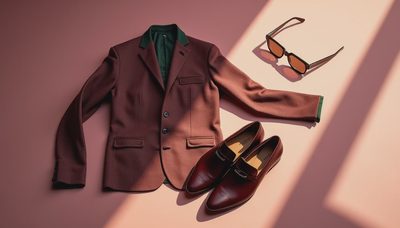
You do not need a closet full of blazers. One navy sport coat and one weather-resistant casual jacket can cover a surprising number of situations. Look at retailers such as Lands' End, Eddie Bauer, DXL, and department-store extended-size sections as starting points, not as automatic recommendations. Each brand cuts garments differently, so your measurements and return policy matter more than the logo.
A simple buying plan that saves money
Before buying more big and tall clothing, write down five outfits you already need. Mine might be Monday client meetings, Friday office casual, school events, weekend errands, and a cold-weather dinner. Then list the missing item in each outfit. This prevents the familiar mistake of buying another blue shirt while owning no pants that work with it.
A useful first purchase could be two shirts, two pairs of pants, one casual jacket, and one pair of clean leather or leather-look shoes. That might cost roughly $250 to $500 depending on sales and materials. Spend more on items that touch your body all day or get frequent wear, especially pants and shoes. Save on occasional layers until you know the cut works.
Keep receipts and try everything on at home with the tags attached. Sit, bend, drive, and walk for ten minutes. Check whether the collar bothers you, the waistband rolls, or the sleeves pull when you reach. Return problems immediately rather than hoping a garment will somehow become comfortable after three months in the closet.
The dressed-on-purpose test
When an outfit feels off, change one variable at a time. First check fit. Then check whether the shirt and pants are too similar in color, too loose together, or both visually heavy. Add a belt that matches your shoes, roll nothing unless the fabric supports it, and keep the number of strong patterns to one.
My best big and tall clothing purchases are not the most expensive ones. They are the pieces that solve a specific morning problem and keep solving it. A $60 polo worn thirty times has already delivered more value than a $120 statement shirt worn twice. That is why I log cost per wear instead of chasing every new release.
Tomorrow morning, measure one shirt you already like, identify one outfit that needs help, and shop for that gap only. You do not need a new personality or a runway-approved closet. You need clothes that fit your actual body, survive your actual schedule, and help you walk into the day feeling prepared. That is dressed on purpose.

No notes yet — write the first.