Tuesday morning, 7:14, and Molly cannot find her lunchbox. I have six minutes before the school run, and I am standing in front of a closet full of clothes that somehow do not make an outfit. That used to be my definition of young men style: buy a few popular pieces, hope they work together, and call it done. Three years and a color-coded closet spreadsheet later, I have a simpler answer. Good style is mostly fit, repeatable combinations, and buying fewer things you will actually wear.
This guide is for a younger man building his first useful wardrobe, but it also works for a 30-, 40-, or 50-year-old who wants to stop guessing. You do not need designer labels or a closet full of seasonal trends. You need clothes that fit your current body, suit your actual schedule, and survive a washing machine and a Monday meeting.
Start with fit before fashion
Fit is the foundation of young men style. A $35 shirt that sits correctly on your shoulders will usually look better than a $150 shirt that hangs like a tent. Start with the shoulder seams. They should land near the end of your shoulders, not halfway down your upper arm. A T-shirt sleeve should cover part of the upper arm without reaching the elbow unless you specifically prefer a longer cut.
Pay attention to the middle of the shirt, too. You want room to move and sit, but not a large balloon of fabric around your waist. If you can pinch several inches of extra cloth at the sides, a tailor or a different cut could improve the result. For pants, the waistband should stay in place without a belt doing all the work. A small break, where the pants meet your shoes, is a reliable starting point.
Try clothes on while standing and sitting. A jacket that looks fine in a fitting room can pull across your back when you reach for a steering wheel. A pair of chinos that feels comfortable standing may pinch after an hour at a desk. Those little tests save more money than chasing a sale.
Build a small wardrobe that earns its space
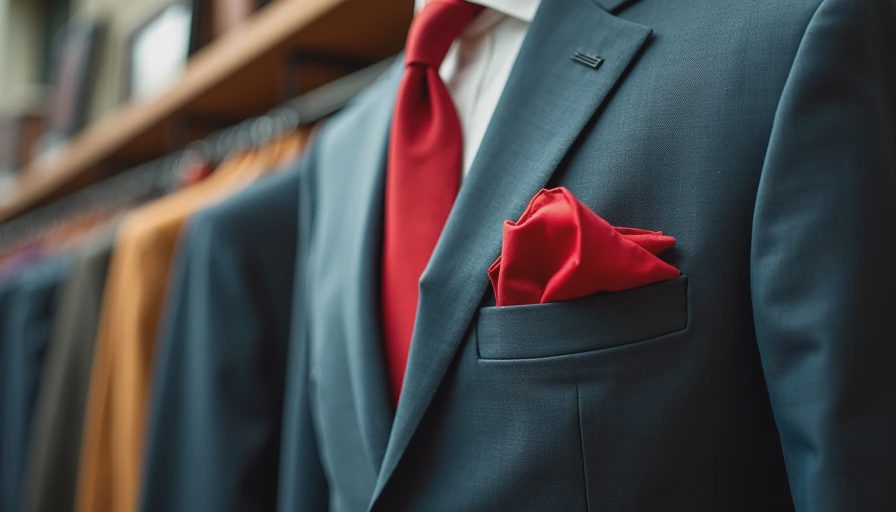
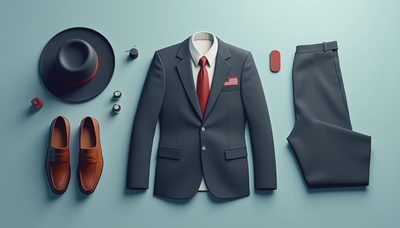
The best young men style wardrobe is not enormous. Begin with two solid T-shirts, two Oxford-style button-down shirts, one pair of dark jeans, one pair of chinos, a casual overshirt or light jacket, and clean leather or canvas shoes. Add a navy blazer if your job involves meetings, interviews, weddings, or dinners where a polo shirt feels too casual.
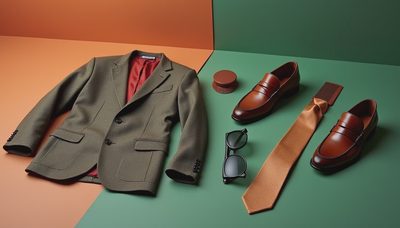
Choose colors that cooperate. Navy, gray, white, light blue, olive, tan, and dark brown can be mixed in dozens of combinations. A light blue shirt works with navy chinos, gray trousers, or dark denim. Olive pants can pair with a white T-shirt, blue Oxford shirt, or gray sweatshirt. This is not about being boring. It is about opening the closet at 6:30 and finding several answers instead of one outfit that only works with one other item.
I track every purchase in my spreadsheet, including how often I wear it. A $60 overshirt worn 40 times costs $1.50 per wear. A $120 novelty jacket worn twice costs $60 per wear. The cheaper item is not always the better purchase, but the math makes the lesson hard to ignore.
Use casual clothes without looking careless
Casual does not have to mean sloppy. For young men style, the easiest upgrade is replacing stretched, faded, or oversized basics with simple pieces in better condition. A clean heavyweight T-shirt, straight-leg jeans, and plain sneakers can handle errands, a casual office, or dinner. The same jeans with a button-down shirt and suede-style boots look more deliberate without becoming dressy.
Avoid stacking too many attention-grabbing items. If your shoes are bright, keep the shirt quiet. If the jacket has a bold pattern, use plain pants. This creates a visual anchor instead of making every part of the outfit compete. You do not need to copy an influencer’s layered look to appear current. One useful layer, such as a chore coat, cardigan, denim jacket, or overshirt, usually does the job.
Take care of the details people notice up close. Replace worn shoelaces, remove lint, trim loose threads, and wash clothes according to the label. A $25 shoe-cleaning kit can extend the useful life of everyday footwear. That is a better investment than buying another pair because the old pair looks tired.
Dress for work without wearing a costume
Office clothing depends on the workplace, but young men style becomes easier when you separate polished from formal. In a business-casual office, try chinos, a tucked or untucked Oxford shirt, and leather sneakers or simple derbies. Add a navy sport coat for a client presentation. In a more relaxed office, dark jeans can work with a collared shirt and clean boots if company norms allow it.
Fit matters especially at work. Sleeves should finish near the wrist bone, and a shirt collar should sit comfortably without choking you. If you wear a blazer, its shoulder line should look natural and the jacket should close without an obvious X-shaped pull at the button. You do not need a full suit wardrobe until your job or events require one. Start with one dark navy or charcoal suit, then have the trousers and sleeves adjusted.
Brands such as J.Crew, Uniqlo, Levi's, Banana Republic Factory, and department-store house labels can all be useful sources, but none guarantees a good result. I have owned excellent and disappointing pieces from both inexpensive and expensive racks. Judge the garment in the mirror, not the logo on the tag.

Spend money where it changes the outfit
A sensible young men style budget puts money into fit, shoes, outerwear, and alterations before decorative extras. A $20 hem can make $50 trousers look intentional. A $15 replacement insole can make an old pair of boots wearable again. A sturdy navy sweater worn through three winters is usually more valuable than four thin sweaters bought for variety.
For a first pass, set a realistic budget rather than trying to rebuild everything in one weekend. You could spend about $250 on two pairs of pants, three shirts, a T-shirt, and a belt during ordinary sales. A more complete refresh with shoes, a jacket, and tailoring might reach $500 to $800. The right number depends on your income, but buying gradually lets you learn what you actually wear.
Before purchasing, ask three practical questions: Can I wear this with at least three things I own? Would I choose it on an ordinary Tuesday? Does it fit today, without relying on losing ten pounds? If the answer is no, leave it on the rack. Future-you has enough responsibilities already.
A simple weekly system that works
Sunday evening, choose three reliable outfits and put them somewhere visible. One could be dark jeans, a white T-shirt, an olive overshirt, and clean sneakers. Another might be chinos, a blue shirt, and brown shoes. The third could use a gray sweater, dark trousers, and boots. Rotate combinations rather than reinventing your identity each morning.
Keep a short note on your phone with missing categories, such as “brown casual shoes” or “lightweight spring jacket.” Do not write “buy more clothes.” Specific gaps prevent random purchases. When something wears out, record why: poor fabric, wrong fit, difficult care, or simply not your lifestyle. That information is more useful than an online list of essentials.
The practical version of young men style is not about looking younger or impressing strangers. It is about appearing awake, prepared, and comfortable in your own clothes. Tomorrow morning, start with one good pair of pants, a clean shirt, and shoes that are in decent shape. Check the fit in a mirror, remove one unnecessary layer, and leave the house dressed on purpose.


No notes yet — write the first.