Tuesday, 7:14 AM, Molly is asking where her lunchbox is, and I'm standing in front of the closet trying to look like a grown man in business casual attire with six minutes to spare. That is how most of us actually dress: not for a magazine spread, but for a real Tuesday. After years of tracking what I wear, what gets compliments, and what just sits there, I can tell you this: business casual attire is a lot easier when you stop trying to make it stylish and start trying to make it dependable.
Start with the three pieces that do the job
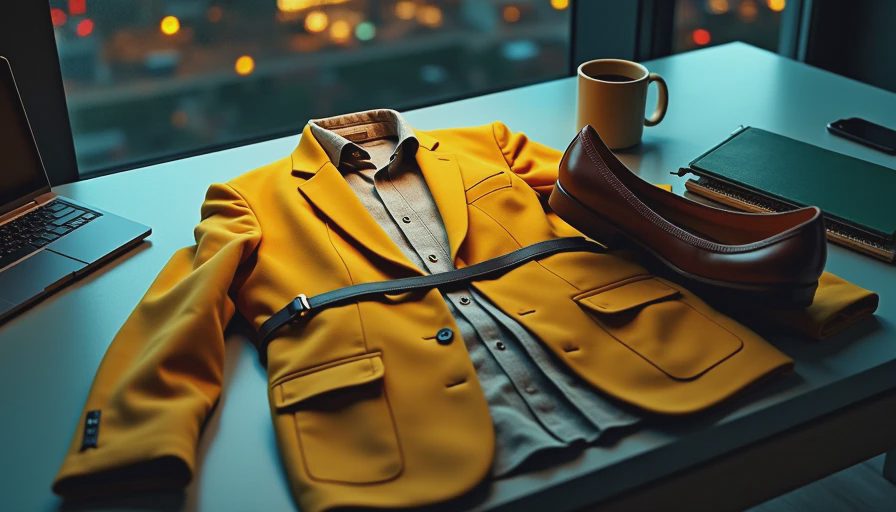
If you want business casual attire that works in a normal office, start with three things: a collared shirt, a good pair of pants, and shoes that look intentional. That is the whole game more often than not. A light blue Oxford shirt, gray or navy chinos, and brown leather shoes will cover a lot of ground without making you look like you borrowed clothes from someone else.
I like Oxford shirts because they read clean but not stiff. You can wear one untucked on a casual Friday or tucked in when you have a meeting with a client. For pants, chinos are the safest middle lane. They are easier than dress slacks and less like jeans pretending to be serious. If your office is a little looser, dark denim without holes can work too, but chinos are usually the better bet.
Shoes matter more than most guys want to admit. A clean pair of loafers, derbies, or plain leather sneakers in good shape changes the whole outfit. Scuffed athletic shoes tell the wrong story fast. Business casual attire should look like you meant to get dressed, not like you were late and grabbed the closest thing on the floor.
Fit is where the money shows up
A lot of guys think price is the secret. It helps, but fit is what people notice first. Business casual attire looks sharp when the shoulder seams sit where your shoulders actually end, the shirt sleeves do not swallow your hands, and your pants break cleanly over the shoe instead of puddling around the ankle.
I learned this the hard way. I bought a shirt that felt comfortable in the dressing room, then realized at work that the collar floated around my neck and the body billowed like a tent. It was not a bad shirt. It was the wrong shirt on me. A $45 shirt with the right fit looks better than a $140 shirt that needs constant tugging.
If you are between sizes, spend the extra $15 to $30 on hemming. That is usually better money than upgrading to a fancier brand. Same with jacket sleeves if you wear blazers. A small alteration can make a jacket look custom without turning your bank account into a crime scene. Business casual attire gets easier once you accept that the tailor is part of the purchase, not an afterthought.
Build a small rotation that does not fight you
You do not need a giant closet. You need a rotation that makes getting dressed boring in the best way. Mine runs on three shirts, two pairs of chinos, one dark jean, one navy blazer, and two pairs of shoes that can handle most days. That gives me enough mix-and-match options to get through a week without feeling repetitive.
Here is the part that saved me the most money: once I started thinking in outfits instead of single items, I stopped buying random shirts that had nothing to pair with. A white shirt, a light blue shirt, and a subtle stripe cover a lot of ground. Add khaki, navy, or charcoal pants and you have a system, not a pile.
Brands are not magic, but some are useful because they stay consistent. Dockers, J.Crew Factory, Banana Republic Factory, Uniqlo, and Bonobos all make pieces that can work if you pick the right fit and fabric. I am not telling you to chase labels. I am telling you that a $60 pair of chinos you wear twice a week is a better buy than a cheap pair you regret after one wash.
Skip the stuff that makes you look underdressed on purpose
In business casual attire, the mistakes are usually easy to spot once you know what to watch for. Athletic sneakers, faded graphic tees, shorts that belong on a golf course, and shirts with giant logos all make the outfit feel lazy. The same goes for pants that are too tight, because they pull attention in the wrong direction and make every seat creak like a folding chair.
I also skip shiny dress shoes unless I am wearing a suit. For most offices, a matte leather loafer or derby looks better and feels more modern. Belts should match the shoes closely enough that nobody has to think about it. If the office is casual enough for a knit polo, fine, but make sure it is smooth and structured, not the kind that turns limp by lunch.
This is also where business casual attire gets misunderstood. It is not a free pass to dress down until you look half awake. It is supposed to say you respect the room without looking like you are trying to sell something. That balance is what makes it useful.
Dress for the season, not just the calendar
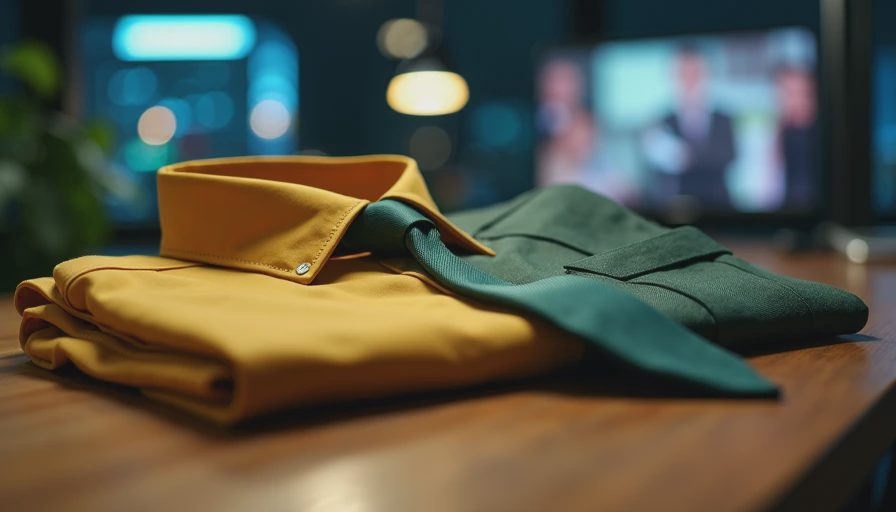
Kansas City gives us a full range of weather, which means the same outfit does not work all year. In summer, I lean on lighter cotton, linen blends, and unlined shirts so I am not sweating through a client meeting in July. In winter, I swap in merino sweaters, heavier chinos, and a wool topcoat when I need one. Layering matters more than piling on bulk.
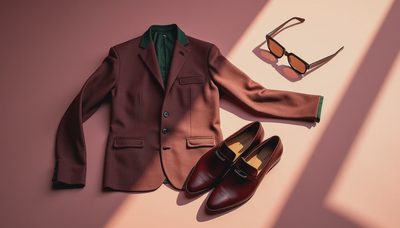
A simple sweater over a collared shirt can make business casual attire look sharper without adding much effort. Navy, gray, olive, and burgundy are easy colors to live with because they work with most pants I already own. If you travel, this is where versatility pays off. A blazer in a wrinkle-resistant fabric, one pair of dark chinos, and two shirts can cover a long weekend without overpacking.
I like clothes that survive a seat belt, a coffee spill, and a kid asking for help with a shoe at 7:50 in the morning. If a piece only looks good under perfect lighting, it is not pulling its weight.
If you are rebuilding your closet, do it in order
If you're rebuilding business casual attire from scratch, do not start with the fun stuff. Start with shoes, pants, and shirts. Those three categories do the heavy lifting. Once those are in place, add one blazer or sport coat, then a sweater, then a second pair of shoes. That order keeps you from spending money on a jacket that has nothing to go with it.
I keep a rough cost-per-wear note in my spreadsheet, and it has changed how I shop. A $90 pair of chinos worn 40 times is cheaper than a $35 pair worn eight times because the fit was off. Same with shirts. If you find a brand or cut that works, buy two of the same thing in different colors and move on with your life.
That is the real appeal of business casual attire: it lets you look put together without turning your morning into a styling project. Build a small system, keep the fit honest, and pick pieces that can handle real life. Do that, and you will be dressed on purpose by Wednesday instead of just hoping the closet cooperates.

No notes yet — write the first.