Tuesday morning, 7:14, and I’m standing in my closet with coffee going cold while Molly is yelling that she can’t find her lunchbox. That is usually when the smart casual dress code matters most. You do not need a fashion degree for this. You need a few good pieces that work together, do not feel stiff, and make it look like you meant to get dressed. That is the whole game. In my closet log, the best outfits are never the fancy ones. They are the ones I can build fast, wear to the office, and still keep on if dinner plans show up after work.
What the smart casual dress code means in real life
The smart casual dress code sits between weekend clothes and full business attire. Think of it as “clean, fitted, and ready to be seen in public.” In plain English, that means you can wear dark jeans or chinos, a button-down or knit polo, and shoes that are neat enough to pass the eye test. The smart casual dress code is not a uniform, and it is not a trick question. If your outfit would work at a decent restaurant, a client lunch, or a parent night at school, you are close.
What it is not: gym shorts, faded graphic tees, beat-up sneakers with a split sole, or a blazer with shiny brass buttons that makes you look like you got dressed for a wedding by mistake. You also do not want to swing too far the other way. A full suit usually reads as overdressed unless the room clearly calls for it. The sweet spot is relaxed but intentional. That is why a navy sweater over a white oxford can look better than a loud shirt that costs twice as much.
My rule is simple. If the outfit has one polished piece and one relaxed piece, it usually works. Chinos with a polo. Dark jeans with a sport shirt. Loafers with an untucked button-down. The pieces do not have to be expensive. They do have to be clean, pressed enough, and free of the little signs that say you grabbed them off the floor five minutes ago.
My go-to outfit formula when the dress code shows up
When I need a sure thing, I start with pants first. Navy, gray, olive, or khaki chinos cover a lot of ground. Good pairs run about $60 to $120 if you shop normal retail, and they last longer when you avoid super-skinny fits or weird stretch fabric that bags out by lunch. Dark jeans can work too, but I mean dark and plain. No holes, no heavy fading, no whiskers across the thighs that look like they came pre-stressed from the factory.
Up top, an Oxford cloth button-down is the safest option because it looks crisp without feeling stiff. A knit polo, merino sweater, or a fine-gauge quarter-zip also fits the bill. If you want the easiest win, wear a solid shirt in white, light blue, gray, olive, or navy. Those colors are boring in the best way. They make the rest of the outfit easier, especially when you are dressing in a hurry before school drop-off.
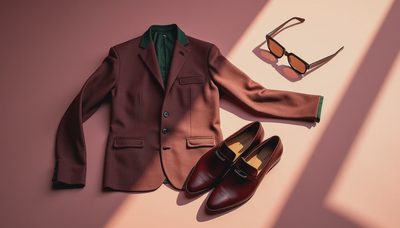
For shoes, I keep coming back to three types: clean leather sneakers, suede loafers, and plain boots. Leather sneakers work when the rest of the outfit is neat. Loafers look sharper for dinner or the office. Boots help in colder months and make jeans look more finished. I would rather see a man in a decent $90 sneaker than a messy pair of $250 shoes that are scuffed to pieces. The point is not to impress the room. It is to look put together without acting like you tried too hard.
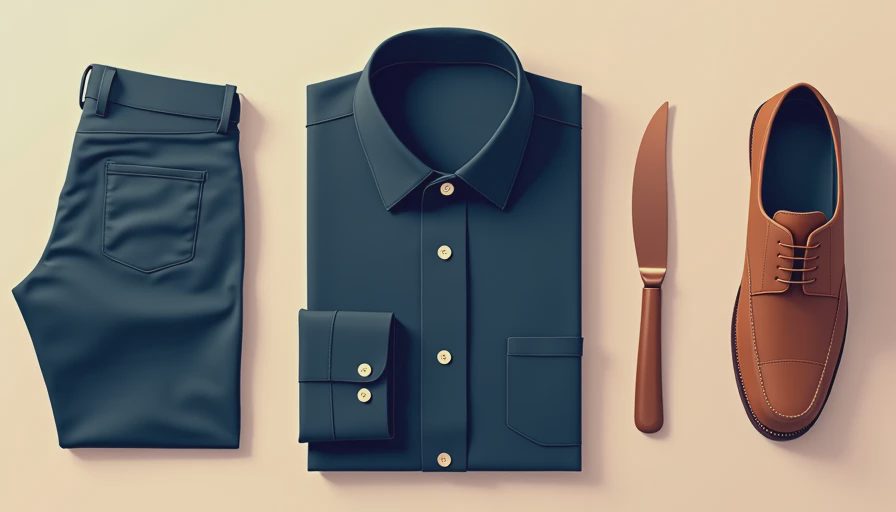
A lightweight jacket helps more than people think. A navy unstructured blazer, chore coat, or bomber can make the whole thing look intentional. Unstructured just means it does not feel like armor. That matters because most of us are not standing around in climate-controlled showrooms. We are going from parking lot to office to kids’ games to a late dinner, and a jacket that moves with you beats a stiff one every time.
How to avoid looking too casual or too dressed up
The easiest mistake is wearing clothes that all land on the same side of the scale. If everything is relaxed, the outfit looks lazy. If everything is polished, you look like you borrowed somebody else’s life. So balance matters. If you wear dark jeans, pair them with a cleaner shirt and better shoes. If you wear chinos, you can loosen up the top a little with a polo or sweater. If you wear a blazer, keep the rest simple so you do not drift into boardroom territory.
Fit matters more than brand names. Pants should sit where they are supposed to sit and not billow like a tent. Shirts should skim your torso instead of clinging like shrink wrap. Sleeves should not swallow your hands. I learned this the hard way when I bought a shirt that looked fine on the hanger and terrible in the mirror. It was only after I compared the photos in my spreadsheet that I realized the problem was not the color. It was the proportion. In normal-guy terms, the jacket looked like I borrowed it from a cousin who lifts heavier weights than I do.
The other trap is chasing little details that do not help. You do not need loud patterns, chunky novelty belts, or a pile of accessories to make a simple outfit work. A leather belt that matches your shoes, a watch you actually wear, and clothes that stay neat by lunch will do more for you than a shopping spree. If you want to spend money somewhere, put it toward the parts people notice first: shoes, pants, and outerwear.
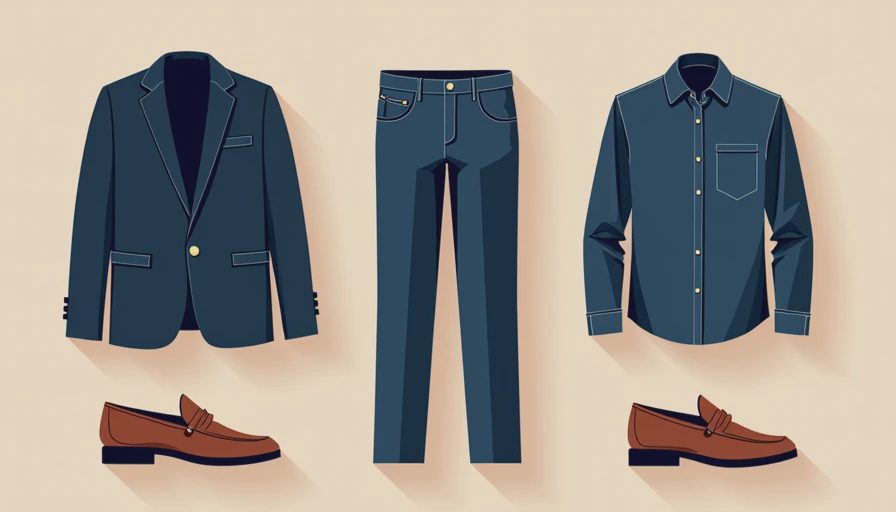
A good test is the chair test. Sit down, stand up, and look in the mirror again. If your shirt balloons, your pants pull hard across the seat, or your shoes look like an afterthought, fix those first. That is how you build confidence without overthinking it. You want the outfit to work in motion, not only when you are standing still in your bedroom mirror.
Three real-world situations from office to dinner
For a normal office day, I would wear gray chinos, a light blue Oxford, a brown belt, and suede loafers. That outfit says you are serious without acting like it. If the office is a little more casual, swap the loafers for clean leather sneakers and leave the shirt untucked if it is the right length. If the office leans a little dressier, add a navy blazer and you are ready for a client meeting without changing the whole outfit.
For dinner out with your wife or a friend, I like dark jeans, a merino crewneck, and boots. That is easy, comfortable, and still looks sharp enough for a nicer place. If it is warm, swap the sweater for a knit polo. If it is colder, add a field jacket or unstructured sport coat. You are still dressed on purpose, just with less effort showing.
For church, school events, or a family gathering, I usually go with chinos, a button-down, and loafers. If the room is more relaxed, roll the sleeves and skip the blazer. If it leans more formal, button the collar and add the jacket. That flexibility is the real value of a smart closet. You are not buying one outfit for one moment. You are buying pieces that keep paying you back.
If you are building from scratch, start with two pants, three tops, and one good pair of shoes. A navy chino, a gray chino, a white Oxford, a blue shirt, a knit polo, and a pair of clean loafers will get you surprisingly far. Add a sweater or jacket after that. Once those pieces are working together, the smart casual dress code stops being a problem and starts being your default. That is the goal: fewer last-minute decisions, fewer bad outfits, and a lot less staring at the closet while the coffee gets cold.

No notes yet — write the first.