Tuesday morning, 7:14, Molly cannot find her lunchbox, Wyatt needs a permission slip, and I have six minutes to get dressed. This is when mens sweaters earn their keep. Pull one over an Oxford shirt, add dark jeans or chinos, and you look like you planned the outfit instead of grabbing whatever was clean.
I am not interested in runway advice or owning twelve nearly identical pullovers. After three years of tracking purchases, wears, and cost per wear in my closet spreadsheet, I have found that a small rotation of useful sweaters handles most of my fall, winter, and early spring wardrobe. The trick is buying the right weight, fit, and color before worrying about labels.
Start with the right sweater weight
Mens sweaters generally fall into three useful categories: lightweight, midweight, and chunky. Lightweight merino wool or cotton works in an office, under a sport coat, or during a cool Missouri evening. It should feel closer to a long-sleeve shirt than a blanket. This is the most versatile option because it layers without making your shoulders look crowded.
A midweight sweater is the workhorse. Think cotton, merino, lambswool, or a blend substantial enough to wear over a T-shirt. I reach for this weight on office days when the building is cold but the car is warm. A midweight crewneck also handles weekend errands, school pickup, and a Saturday bike ride better than a delicate knit.
Chunky sweaters have their place, especially for outdoor wear, but they take more planning. A thick fisherman-style knit under a tailored jacket usually feels bulky. Wear it with straight-leg jeans, sturdy boots, and room to move. If you live somewhere with mild winters, one chunky sweater is probably enough.
Choose a fit that looks intentional
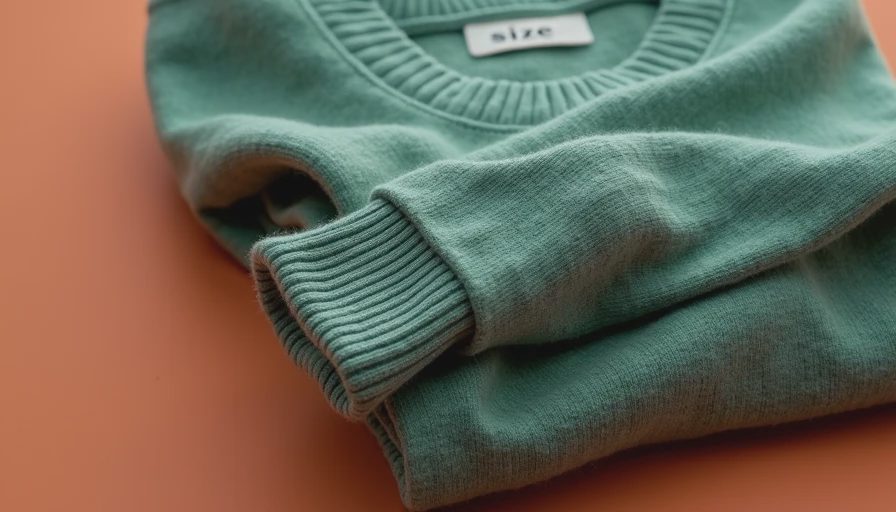
Fit does not mean tight. For most men in their thirties, forties, and fifties, the goal is a clean line through the shoulders and enough room across the middle to sit comfortably. The shoulder seam should land near the edge of your shoulder, not halfway down your arm. The cuffs should reach the wrist bone, and the hem should cover your waistband without hanging to your thighs.
When trying mens sweaters in a store, put both hands in your pockets and sit down. If the fabric pulls sharply across your stomach, size up or try a different cut. If the sweater balloons around your sides, the issue may be the shape rather than the size. A tailor can sometimes shorten sleeves, but reshaping a cheap knit is rarely worth the $20 to $40 alteration.
Do not ignore what goes underneath. A bulky undershirt creates lumps, while a thin crew-neck T-shirt keeps the sweater smooth. With a collared shirt, make sure the collar points sit flat. A quarter-zip can handle a polo or button-down, but the collar should not fight the zipper all day.
Build a small, useful color rotation
Mens sweaters are easiest to wear when the colors do the hard work. Start with navy, charcoal, medium gray, or dark brown. These shades pair with blue jeans, khaki chinos, olive pants, and most office trousers. Navy is usually my first recommendation because it works with a white Oxford shirt and does not show every bit of barbecue smoke the way a pale color can.
After the basics, add one color with a little personality. Burgundy, forest green, rust, or muted mustard can make an ordinary outfit look considered without turning you into a catalog model. I would skip bright novelty colors unless you already know you will wear them at least ten times a season. A color that looks exciting in a fitting room can become the sweater you keep passing over.
Pattern deserves the same restraint. A subtle texture, like a waffle knit or small rib, adds interest while remaining easy to combine. Large geometric patterns are not automatically bad, but they limit your shirt and jacket choices. If the spreadsheet says an item only works with one pair of pants, it is not a bargain at any price.
Match the neckline to your routine
The crewneck is the safest starting point. It works over a T-shirt, under a casual jacket, and with a collared shirt when the collar is not too large. Mens sweaters with crew necks also tend to look less formal, which makes them useful for casual Fridays and family dinners.
A V-neck makes more sense if you regularly wear dress shirts and ties. The opening frames the collar and gives a little more room around the neck. Keep the V moderate; a deep cut looks dated quickly and exposes too much shirt. If ties are not part of your work wardrobe, you may get more use from a crewneck.
Quarter-zips are practical for travel, office air conditioning, and outdoor chores. They are not dressy, but a well-fitting one in navy or gray can look sharper than a hoodie. I keep one near the front of my closet for mornings when the forecast cannot make up its mind.
Spend where the wear happens
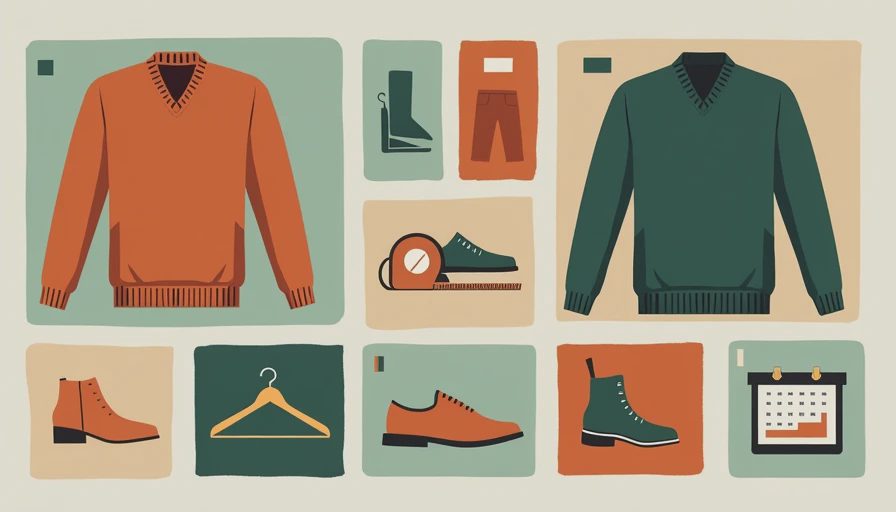
You do not need a $200 sweater to dress well. In my cost-per-wear notes, a $70 midweight sweater worn 30 times is a better purchase than a $35 sweater worn twice. Look at the fiber label, stitching, recovery, and care instructions before looking at the logo. Cotton blends are often forgiving and easy to wash. Merino is warm for its weight and usually less bulky, but it deserves gentler care. Cashmere feels excellent, though many inexpensive versions pill quickly and require hand washing.
For everyday mens sweaters, a reasonable shopping range is roughly $40 to $100. Below that, you can find useful pieces during sales, but inspect the fabric and seams. Above $100, you should be getting a noticeable improvement in softness, construction, fit, or durability. Brands such as Uniqlo, J.Crew, Lands' End, L.L.Bean, and Banana Republic often cover different points in that range, but the label matters less than the actual garment in your hands.
Check the cuffs and waistband by gently stretching them and watching whether they recover. Look for loose threads, uneven seams, and pilling around the underarms. Those small checks take 60 seconds and can prevent a disappointing purchase.
Care that keeps sweaters wearable
Most sweater damage comes from cleaning and storage, not ordinary wear. Read the care label before washing. Cotton may tolerate a machine cycle, while wool usually does better with cold water and a gentle detergent. Avoid high heat in the dryer; it can shrink or warp fibers quickly. Lay knitwear flat on a towel rather than hanging it, because hangers can create shoulder bumps and stretch the fabric.
Rotate mens sweaters instead of wearing the same favorite three days in a row. Give the fibers time to recover, and use a fabric shaver lightly when pills appear. Store clean sweaters folded in a drawer or on a shelf. Cedar blocks can help with odor, but avoid stuffing a closet so tightly that air cannot circulate.
At the end of each season, record what you actually wore. If a sweater sat untouched because it was too warm, too itchy, or hard to match, write that down. This is more useful than a shopping list because it tells you what not to buy next time.
A simple starting lineup
If you are rebuilding your closet, start with three mens sweaters: a navy lightweight crewneck, a gray or charcoal midweight crewneck, and a quarter-zip in a neutral color. Add a burgundy or forest green option after you have worn those basics repeatedly. That lineup covers office layers, casual weekends, travel, and most family events without requiring much thought.
On Monday, wear the navy sweater over a white Oxford with khakis. On Friday, put the gray crewneck over a T-shirt with dark jeans. On Saturday, use the quarter-zip with jeans and boots. These combinations are not exciting in the magazine sense, which is exactly why they work when the lunchbox is missing and you have six minutes left.
The goal is not to look fashionable for its own sake. It is to be dressed on purpose with clothes that fit, coordinate, and survive your actual week. Buy one useful sweater, wear it often, and let the cost-per-wear prove whether it earned its place.


No notes yet — write the first.