Tuesday morning, 7:14, Molly cannot find her lunchbox, Wyatt needs a ride, and I am staring at my closet with six minutes to spare. On mornings like that, a mens cardigan is one of the easiest ways to look put together without thinking too hard. It gives a plain T-shirt or button-down some structure, but it is more comfortable than a blazer and less fussy than a full sweater outfit.
I started wearing cardigans regularly after my boss told me I needed to look more polished for client meetings. Three years later, one navy cotton version has logged more wears than several shirts that cost twice as much. The trick is not buying the fanciest one. It is choosing the right weight, fit, and color for the life you actually live.
Start With the Right Mens Cardigan Fit
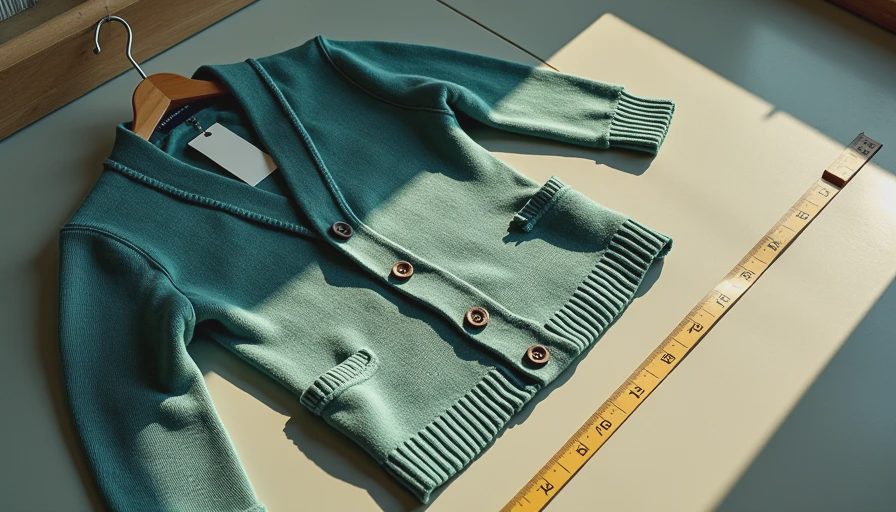
A good mens cardigan should sit close to your shoulders without pulling across your chest. The shoulder seam should land near the edge of your shoulder, and the sleeves should end at the wrist bone. If the sleeves cover half your hand, you will look like you borrowed it from a larger relative. If the cuffs stop above your watch, the sweater probably shrank or started too small.
The bottom hem deserves attention, too. For most men, it should land around the hip and cover the waistband of your pants. A cardigan that ends at the belt line can make your torso look short, while one that drops well below the seat starts to look like a robe. I prefer a regular fit rather than a slim fit. There is enough room for a collared shirt underneath, but not so much fabric that the front hangs like curtains.
Look at the buttons before buying. Five or six simple buttons create a clean line. Oversized wooden buttons can work for a cabin or weekend setting, but they are harder to wear at the office. Pockets are useful for glasses or a phone, though overloaded pockets will pull the sweater out of shape.
Choose Fabric for Your Actual Calendar
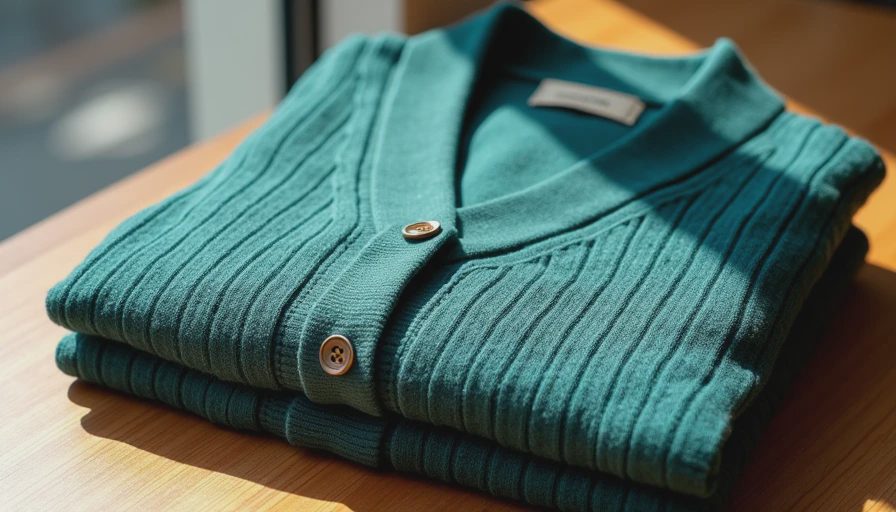
A lightweight cotton or cotton-blend mens cardigan works well from early fall through spring. It is breathable indoors, easy to layer over an Oxford shirt, and usually forgiving when a child wipes peanut butter on your sleeve. A merino wool option is warmer and better for cold offices, but it needs more careful washing. Follow the care label, and do not put a wool sweater through a hot dryer unless you want it sized for a nine-year-old.
Chunky knits have their place, especially with jeans and boots, but they add visual bulk. If you already have a broad chest or carry some weight around the middle, a medium-gauge knit usually creates a cleaner shape. The yarn should have enough substance to hold its line without feeling like armor.
For value, I look for fabric that recovers after being stretched. Hold the front closed, then release it. If the knit stays wavy around the buttonholes, it may look tired quickly. I also check the inside seams and the ribbed cuffs. Loose threads are not an automatic deal breaker, but several are a warning that the sweater may not survive frequent wear.
The Three Colors That Earn Closet Space
Navy is the safest first mens cardigan because it works with khaki, gray, olive, denim, and charcoal trousers. It also looks appropriate in a conference room without making you look like you are trying to imitate a banker. Gray is nearly as useful and pairs especially well with dark jeans and white or blue shirts.
Camel and brown bring more warmth to an outfit, but they need a little more planning. A camel cardigan looks good over a navy Oxford shirt, while a medium brown version can sit comfortably with light denim. I would skip loud patterns for a first purchase. A subtle texture adds interest without making the item difficult to repeat.
My closet spreadsheet shows why restrained colors win. A navy sweater that gets worn twice a month beats a bright seasonal purchase worn three times, even if the bright one seemed more exciting in the store. Cost per wear is not glamorous, but it is honest. A $60 cardigan worn 40 times has already done better work than a $25 bargain that stays on a hanger.
How to Wear a Mens Cardigan at Work
For a normal office, try a mens cardigan over an Oxford shirt with chinos and leather sneakers or loafers. Keep the shirt collar under the sweater neckline, and leave the top button open unless the room is especially formal. Navy over a pale blue shirt is hard to mess up. Gray over a white shirt gives you a sharper contrast.
If your workplace expects jackets for presentations, the cardigan is not a replacement for a suit coat. It is better suited to business-casual days, travel, internal meetings, and casual Friday. You can wear one under an unstructured sport coat, but check the bulk first. If the sleeves bunch up, use a thinner knit or leave the cardigan at home.
A simple work outfit might cost less than expected: a $45 to $90 cardigan, a reliable Oxford shirt, chinos, and clean leather shoes. No special accessories are required. Your belt should generally coordinate with your shoes, and the sweater should not be competing with either one.
Weekend Combinations That Do Not Look Sloppy
On Saturday, I usually wear a mens cardigan with a plain T-shirt, dark jeans, and clean canvas sneakers. This works for a bike ride to breakfast, a hardware-store run, or watching the kids' soccer game when the temperature cannot make up its mind. Choose a T-shirt with a firm collar and no giant graphic. The cardigan adds enough interest that the shirt can stay simple.
For colder weather, layer it over a flannel shirt and wear straight-leg jeans with sturdy boots. The cardigan should remain the middle layer, not the outer coat. If you need a jacket, choose one with enough room in the shoulders so the sleeves are not compressed.
Avoid combining too many relaxed pieces at once. An oversized cardigan, sweatpants, running shoes, and a floppy T-shirt can make the whole outfit look accidental. One casual item is easy; three or four require better proportions. Dark jeans and a tidy shirt give the sweater some structure.
Buying and Caring for Your First One
You do not need to spend $200 on a mens cardigan to get a useful garment. In my experience, the practical range is about $50 to $120. Uniqlo, J.Crew Factory, Lands' End, and department-store house brands often offer accessible options, while higher-priced labels can make sense when the fabric and construction are clearly better. I judge the garment, not the logo.
Before purchasing, try it on with the type of shirt you will actually wear underneath. Button it, sit down, raise your arms, and check whether the front pulls. Take a quick phone photo from the side. It is easier to notice a long hem or crowded shoulders in a picture than in a dressing-room mirror.
Wash less often than you think. Air the sweater after wearing it, spot-clean small marks, and fold it instead of hanging it, especially if it is wool. Hanging can stretch the shoulders. Store it in a drawer or on a shelf, and give the elbows a quick inspection at the end of winter.
The Simple Takeaway
A mens cardigan earns its place by solving a real problem: looking presentable when a shirt alone feels unfinished and a jacket feels excessive. Start with navy or gray, choose a medium weight, and prioritize shoulder fit over a trendy detail. Wear it with clothes already in your closet, track how often it gets used, and let the results guide your next purchase.
That is the whole approach I use in my own closet log. Buy less, wear more, and get dressed on purpose. Tomorrow morning, when the lunchbox disappears again, you will have one reliable answer waiting on the hanger.


No notes yet — write the first.