Tuesday morning, 7:14, Molly cannot find her lunchbox and I am staring at my closet with six minutes to spare. This is when a mens sweater earns its keep. Pull it over an oxford shirt, add chinos, and you look ready for a client meeting without looking like you spent an hour planning an outfit. That is the standard I use: clothes should make a busy morning easier, not create another decision.
I have bought expensive knits that sat untouched and inexpensive ones that became weekly workhorses. My closet spreadsheet tracks the difference. The winner is rarely the item with the fanciest label. It is usually the sweater with a dependable fit, useful color, and fabric that survives a few seasons of office days, school events, and Saturday errands.
What a good mens sweater should do
A good sweater fills the space between a T-shirt and a sport coat. It should add structure without feeling stiff, keep you comfortable through changing indoor temperatures, and work with clothes already hanging in your closet. In Kansas City, that means handling a chilly commute, an overheated conference room, and an evening on the patio without requiring a full outfit change.
Start with the shoulders. The seam should sit close to the edge of your shoulder, not halfway down your upper arm. The body should skim your torso rather than cling to your stomach or balloon around your sides. You should be able to raise your arms, reach for a steering wheel, and sit down without the hem riding up dramatically.
Sleeves deserve a quick test, too. For a crewneck or V-neck, the cuff should finish near the wrist bone. If the sleeve covers your hand while your arms hang naturally, the sweater will look sloppy over a button-down. A little extra room is useful; excess fabric is not.

How to choose a mens sweater fabric
Wool is warm, resilient, and better at handling odor than many basic synthetics. Merino wool is a practical choice for an office layer because it feels relatively smooth and regulates temperature well. A merino sweater in the $70 to $150 range can be a sensible workhorse if the fit is right and the care instructions fit your routine.
Cotton is easier to wash and often less expensive, usually landing between $30 and $90. It works well in spring, fall, and air-conditioned offices, but it is not as warm as wool. Cotton can also lose its shape if it is hung wet or stored on a narrow hanger. I fold mine over a hanger bar or place it on a shelf.
Cashmere feels soft, but softness alone is not a buying plan. A low-priced cashmere sweater can pill quickly, while a well-made one costs considerably more and needs gentle care. For most men building a practical closet, merino or a cotton blend provides more useful wear per dollar. Acrylic and polyester blends can lower the price and simplify care, though they may hold heat or develop pills sooner.
Colors that make mornings easier
If you are buying your first mens sweater, start with navy, charcoal, medium gray, or dark brown. These colors pair with blue jeans, khaki chinos, gray trousers, and even a patterned shirt. Navy is especially useful because it looks at home in a conference room but does not feel too formal at a weekend breakfast.
After the basics, consider olive, burgundy, camel, or a muted blue. These colors add personality without forcing every other item in your closet to change. I would be careful with bright red, loud patterns, or seasonal novelty colors unless you already have dependable basics. A sweater that only works with one pair of pants is not giving you much value.
Patterns can be useful when they are quiet. A subtle cable texture or small geometric design adds interest without turning your torso into a billboard. Large graphics, contrast stripes, and oversized logos tend to date faster. The goal is not to look invisible. It is to look like you made a deliberate choice.
Crewneck, V-neck, or quarter-zip?
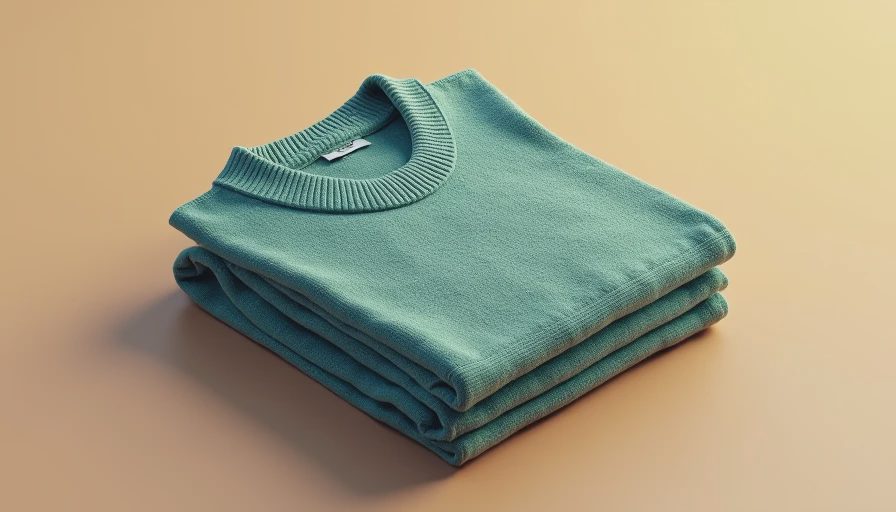
A crewneck is the safest starting point. It works over a T-shirt, polo, or collared shirt and suits most face shapes. A mens sweater with a simple crew neckline is also easy to layer under a casual jacket or wool coat. If you own only one, this is the style I would choose.
A V-neck makes more room for a shirt collar and can look slightly more polished at work. The mistake is choosing a V that drops too low, exposing a large section of undershirt. A shallow or moderate V usually looks cleaner. Wear it with an oxford shirt, chinos, and leather sneakers for a straightforward business-casual outfit.
Quarter-zips are practical for travel, cold offices, and weekends. They give you temperature control and a little more athletic structure. Look for a smooth, medium-weight fabric and a collar that stands without collapsing. A quarter-zip can replace a sweatshirt when you want to look pulled together without dressing formally.
Fit checks before you buy
Try the sweater on with the shirt you expect to wear underneath. A mens sweater that fits perfectly over a T-shirt may pull across the chest when layered over an oxford. Check the armholes, buttons if present, and the area around your stomach while sitting. If horizontal lines appear across the front, go up a size or try a different cut.
Look at the hem from the side. It should cover the waistband but not hang like a tunic. Ribbed hems often create a cleaner finish, although a tight rib can ride upward when you sit. Check the cuffs for even stitching and inspect the surface for loose threads, thin patches, or early pilling under the arms.
Online shopping requires one extra step: measure a sweater you already like. Lay it flat and record chest width, body length, sleeve length, and shoulder width. Compare those numbers with the retailer's chart instead of trusting a vague small, medium, or large label. A $50 sweater that fits is a better purchase than a $150 sweater that needs constant adjustment.
Building three useful outfits
For the office, try a charcoal sweater over a pale blue button-down with navy chinos. Brown leather shoes keep the combination grounded. For a casual Friday, use a navy crewneck over a plain white T-shirt with dark jeans and clean sneakers. The pieces are familiar, but the color contrast gives the outfit enough shape.
For a fall weekend, wear an olive mens sweater with a chambray shirt, medium-wash jeans, and boots. This is comfortable for a hardware-store run or a family dinner without looking like you just left the couch. If the sweater has texture, keep the rest of the outfit simple so the layers do not compete.
Do not buy five sweaters at once. Start with one dependable neutral and track how often you wear it. In my spreadsheet, an $80 sweater worn 40 times has a $2 cost per wear. A $140 sweater worn six times costs more than $23 per wear, no matter how impressive it looked under store lighting.
Care that keeps the purchase useful
Follow the label, but most sweaters benefit from less washing, not more. Air them out after wearing, treat small spots promptly, and wash wool with a mild detergent when needed. Lay knitwear flat to dry. Hanging a wet sweater can stretch the shoulders and create the exact fit problem you were trying to avoid.
Fold sweaters rather than placing them on hangers for long-term storage. Keep cedar blocks or another sensible moth deterrent nearby, and make sure the closet is dry before putting away seasonal clothing. A fabric shaver can handle small pills, but use a light touch. Pulling pills by hand can damage the surface.
A mens sweater does not need to be fashionable in the narrow, trend-chasing sense. It needs to fit your shoulders, work with your existing pants, and survive the life you actually lead. Choose one sensible color, test the fit while moving, and spend according to fabric and construction rather than a logo. That is how you get dressed on purpose tomorrow morning.

No notes yet — write the first.