Tuesday morning, 7:14, Molly cannot find her lunchbox, and I am staring at my closet with six minutes before the school run. I reach for a merino sweater because it solves several problems at once: it looks put together, feels comfortable, and works over a button-down or plain T-shirt. If you are trying to dress like a grown-up without turning your closet into a fashion project, this is one of the more useful pieces you can own.
The trick is buying the right weight, fit, and color. A merino sweater is not automatically a good purchase just because the label says merino. I have owned thin ones that stretched at the cuffs, bulky ones that looked borrowed, and one bargain sweater that pilled so badly after a month that Jenna used it for garage work. Here is what I would look for now.
Why merino wool works in a regular man's closet
Merino wool comes from a fine-wool sheep breed, and the fibers are softer and less scratchy than the coarse wool many people remember from old winter sweaters. The material can help regulate temperature, which is useful when your morning starts at 35 degrees and your office is set to what feels like 74. It also resists odor better than many synthetic fabrics, so it is practical for travel and long workdays.
That does not mean you can wear the same garment for a week. It means a merino sweater often needs less frequent washing than cotton or polyester when it has only been worn indoors. I usually air mine out overnight on a sturdy hanger. When it needs cleaning, I follow the care label, use cold water, and lay it flat to dry. A dryer is a fast way to turn a useful large sweater into a child-sized one.
For my closet, the biggest advantage is flexibility. A navy merino sweater works with gray trousers at the office, dark jeans for dinner, and khaki chinos on Saturday. It is a quiet piece, but quiet is useful when the rest of your life already has enough noise.

Choosing the right weight and fit
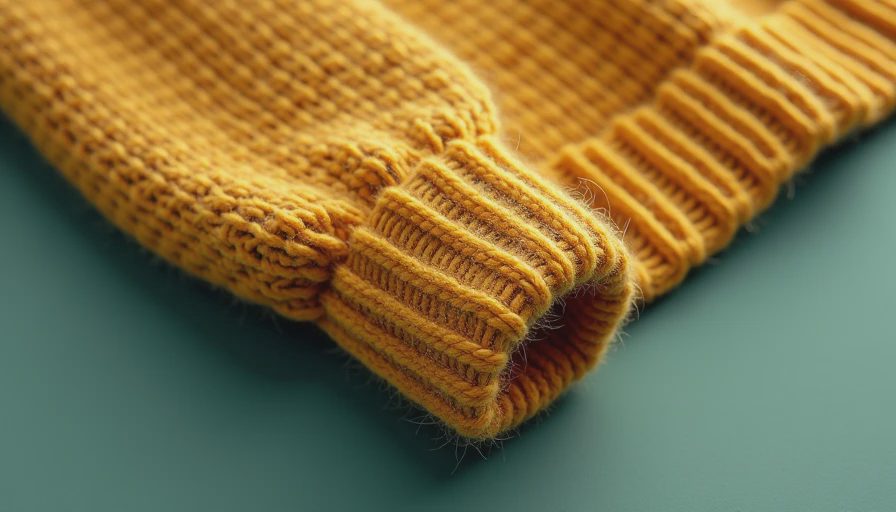
Lightweight merino, often called fine gauge, is the easiest starting point. It layers neatly under a sport coat and does not make you feel stuffed into your shirt. A medium-weight version is better for a chilly office, outdoor events, or wearing over a T-shirt in fall. Chunky knits can look good, but they bring more bulk and usually feel less polished under a jacket.
For most men between 30 and 50, I would start with a lightweight or medium-weight merino sweater. Check the shoulder seam first. It should sit near the end of your shoulder, not halfway down your upper arm. The body should skim your torso without showing every button on the shirt underneath. If the bottom ribbing rides up when you sit, try a larger size or a different cut.
Sleeves deserve a practical test. Stand naturally with your arms at your sides. The cuff should reach the wrist bone. Then bend your arms as if you are typing or driving. If the sleeve pulls halfway up your forearm, it is too short for daily use. I also check the collar: a crew neck should sit close without squeezing, while a V-neck should leave room for a shirt collar without dropping toward the chest.
Colors that earn their closet space
Navy is the safest first color because it handles gray, tan, olive, denim, and black without much thought. Charcoal is nearly as useful and looks especially good with medium-blue jeans. A dark green or burgundy can add variety once you have those basics, but I would not start with bright orange or a complicated pattern unless you already know you will wear it.
My spreadsheet tracks cost per wear, and boring colors tend to win. A $90 navy sweater worn 30 times costs $3 per wear. A $55 patterned sweater worn three times costs more than $18 per wear, even though the receipt looked better on purchase day. That is not a fashion rule. It is just a useful way to keep a closet from filling with clothes that only work in one imaginary outfit.
When matching, think in contrasts rather than exact coordination. A navy top with charcoal pants is easy. A gray top with dark denim is also easy. Try not to wear the same shade of blue from neck to ankle unless the textures clearly differ. The goal is to look intentional, not like you bought a tracksuit by accident.
How to wear a merino sweater at work
For a business-casual office, put a merino sweater over a white, light-blue, or subtle striped button-down. Leave the shirt untucked if the hem is short and your office allows it; otherwise, tuck it into flat-front chinos or wool trousers. Brown leather shoes, clean white sneakers, or simple loafers can all work depending on your workplace.
A merino sweater also gives you a practical alternative to a suit jacket on days filled with meetings. Wear charcoal trousers, a pale blue shirt, and a navy layer. The combination looks more deliberate than a polo shirt but does not feel like you are auditioning for a boardroom. If your office runs warm, choose a thin knit and keep the sleeves down rather than rolling them repeatedly, which can stretch the cuffs.
For casual Friday, wear the same piece with dark jeans and a clean leather belt. Avoid pairing a thin sweater with distressed denim or athletic shoes unless your workplace is genuinely casual. A simple leather sneaker usually keeps the outfit grounded without making it look like weekend yardwork.
Buying without paying for a label
A merino sweater can cost less than $50 during a sale or more than $200 from a premium brand. Higher prices sometimes buy better finishing, stronger ribbing, and a higher percentage of merino, but the label alone does not guarantee durability. Read the fiber content and inspect the seams. A blend with nylon can add strength, while cashmere blends feel soft but may need gentler care.
Brands such as Uniqlo, J.Crew, Banana Republic, Lands' End, and L.L.Bean commonly offer merino options at different price points. I treat those names as places to compare construction, not as trophies. Look for even knitting, no loose threads, and a collar that springs back after you gently stretch it. If you are shopping online, measure a sweater you already like and compare those numbers with the garment's size chart.
Sales are worth waiting for. My comfortable spending range is roughly $60 to $120 for a dependable everyday layer, though a lower-priced option can be perfectly serviceable. Buy one first, wear it through a normal week, and see whether it earns repeat use before buying three more colors.
Keeping the sweater in rotation
Give the garment room to rest between wears. Fold it on a shelf rather than hanging it for weeks, since hanger points can distort the shoulders. Keep an inexpensive fabric shaver nearby for occasional pills, but use a light touch. Aggressive shaving can thin the fabric.
A merino sweater should support your routine, not require a new personality. Wear it to the office, on a plane, to a family dinner, or over a T-shirt while you run errands. Start with navy or charcoal, choose a fit that lets you move, and record how often you actually reach for it. That simple test will tell you more than a dozen style videos.
My recommendation is straightforward: buy one good merino sweater, make sure it works with at least three outfits you already own, and give it a month of real use. If it survives school drop-offs, client meetings, and a Saturday coffee run, you have found a dependable part of a dressed-on-purpose closet.



No notes yet — write the first.